Baththa story
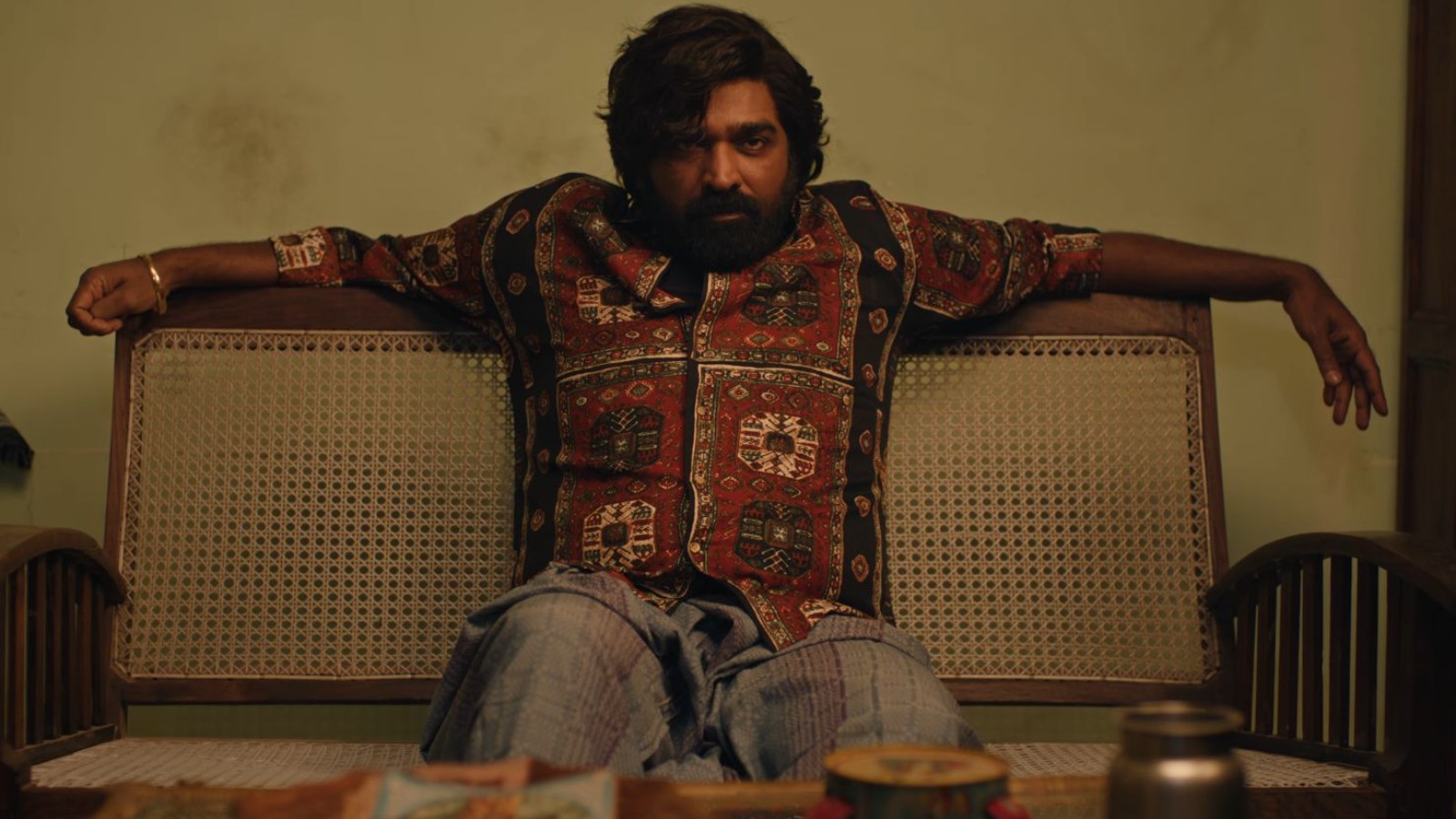
Set in 1986 Madras, the film introduces us to Baththa (Vijay Sethupathi), a feared local don whose name alone is enough to make people maintain a safe distance. He has a family and a wife, Kanima (Lijomol Jose), but his life is largely defined by the fear he commands in his neighbourhood.
Then comes Sabari (Sai Prithviraj), an eight-year-old schoolboy who is timid and completely disconnected from Baththa's world. A seemingly insignificant problem involving Sabari's toy sets off an unexpected chain of events. While trying to retrieve it, Sabari accidentally locks Baththa inside a school restroom. And that is where "Baththa" finds its most interesting conflict.
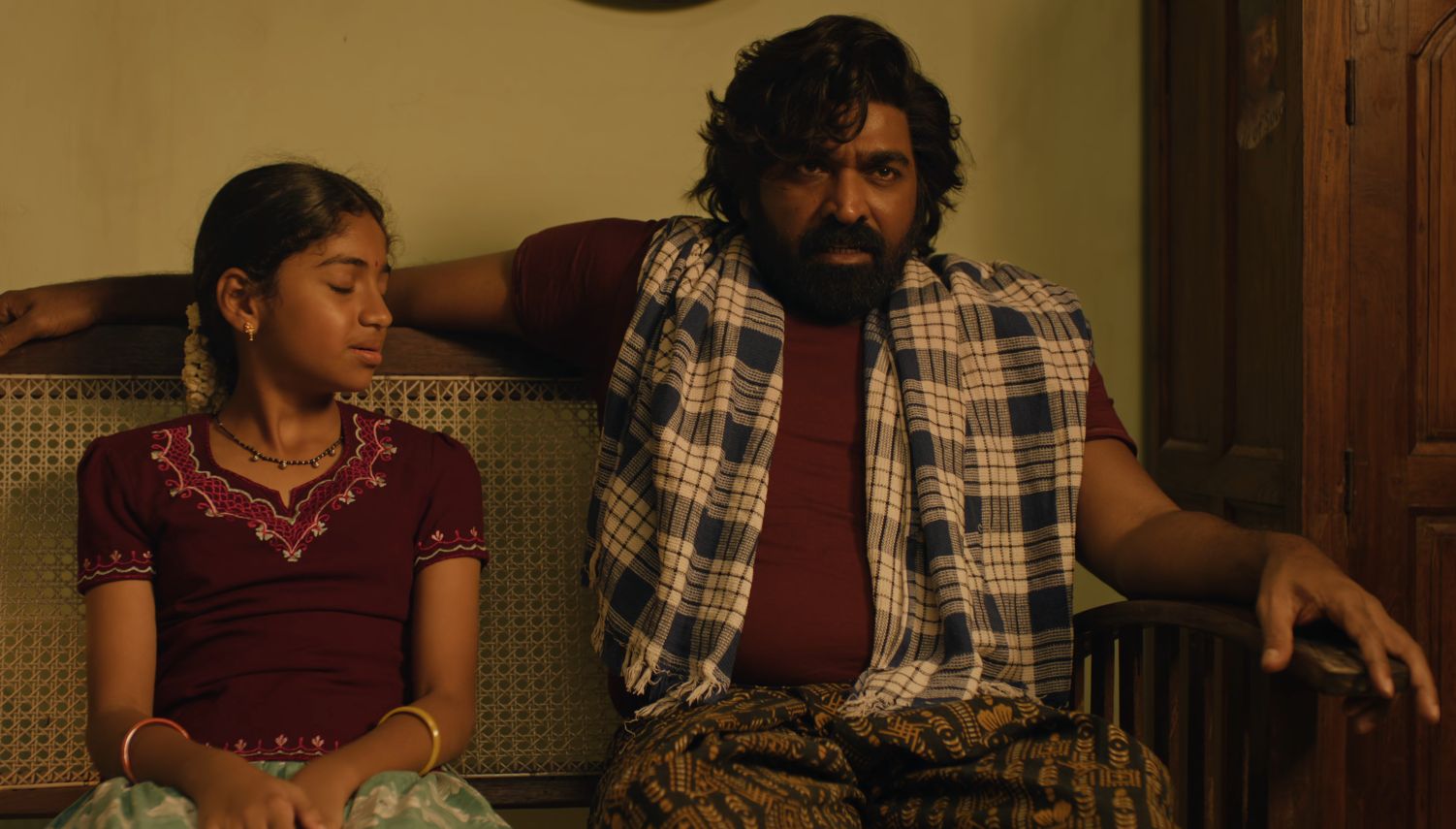 A still from Vijay Sethupathi's Baththa
Baththa review
Balaji Tharaneetharan deserves credit for resisting the temptation to turn Baththa into another routine gangster entertainer. The film does not constantly remind us that its protagonist is a don through violence or mass moments. Instead, it allows the character to reveal himself through his interactions with Sabari.
Here is a man who is used to controlling people and situations suddenly rendered helpless by an eight-year-old child. Baththa's growing frustration, anxiety and helplessness inside the restroom are presented almost like those of a prisoner. It is an amusing situation, but the film also uses it to puncture the intimidating image that Baththa has built for himself.
What follows is even more interesting. The encounter between the don and the schoolboy gradually turns into an unlikely friendship. Their worlds couldn't be more different, yet their conversations slowly reveal a mutual understanding. Sabari begins to see the human being behind the dreaded gangster, while Baththa gets an opportunity to look at his own life from a different perspective. This relationship is undoubtedly the film's biggest strength.
Baththa is not portrayed as a flawless gangster who needs to be celebrated. He is a man who has made mistakes and gradually begins to understand their consequences. That gives the character an emotional layer that is often missing in gangster dramas. The portions between Baththa and Sabari work particularly well, and the conversations towards the climax are among the film's best-written scenes. These moments give the film its emotional weight without becoming excessively sentimental.
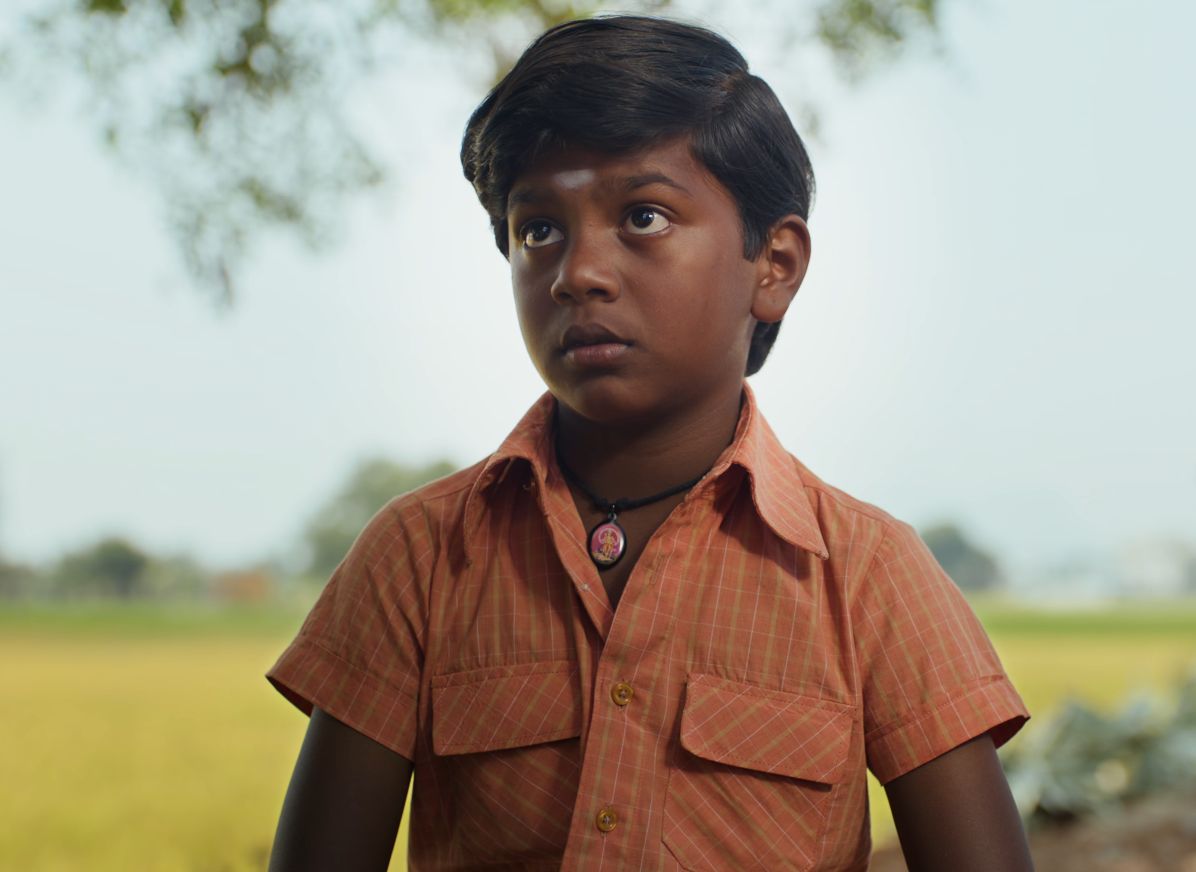 Sabari in a still from Baththa
Vijay Sethupathi is perfectly cast as Baththa. He brings the required menace to the character but is equally effective when the film strips away that intimidating exterior. Sai Prithviraj is a strong discovery as Sabari, and the actor holds his own opposite Sethupathi. Their chemistry is one of the film's biggest assets. Lijomol Jose gets a substantial role as Kanima and makes an impact, while Santhy Balachandran also leaves her mark in an interesting supporting role.
Sai Abhyankkar's music adds energy to the proceedings, while the cinematography successfully captures the period setting and atmosphere of 1986 Madras. Baththa is not without its limitations. The film's relatively restrained approach may not satisfy viewers expecting a conventional gangster movie with regular action blocks and mass moments. But that restraint is also what gives the film its identity. Instead of asking us to admire the don, the film asks us to understand him. And that makes Baththa more than just another gangster story.
Bathta verdict
Baththa is a refreshing take on the gangster genre, powered by the unlikely friendship between a feared don and an innocent schoolboy. Vijay Sethupathi and Sai Prithviraj are the film's biggest strengths, while the emotional conversations give the story its heart. It may not deliver the conventional gangster thrills, but its humane approach makes it stand apart. The movie is refreshingly a different gangster drama with a strong emotional core.