Ramayana Story
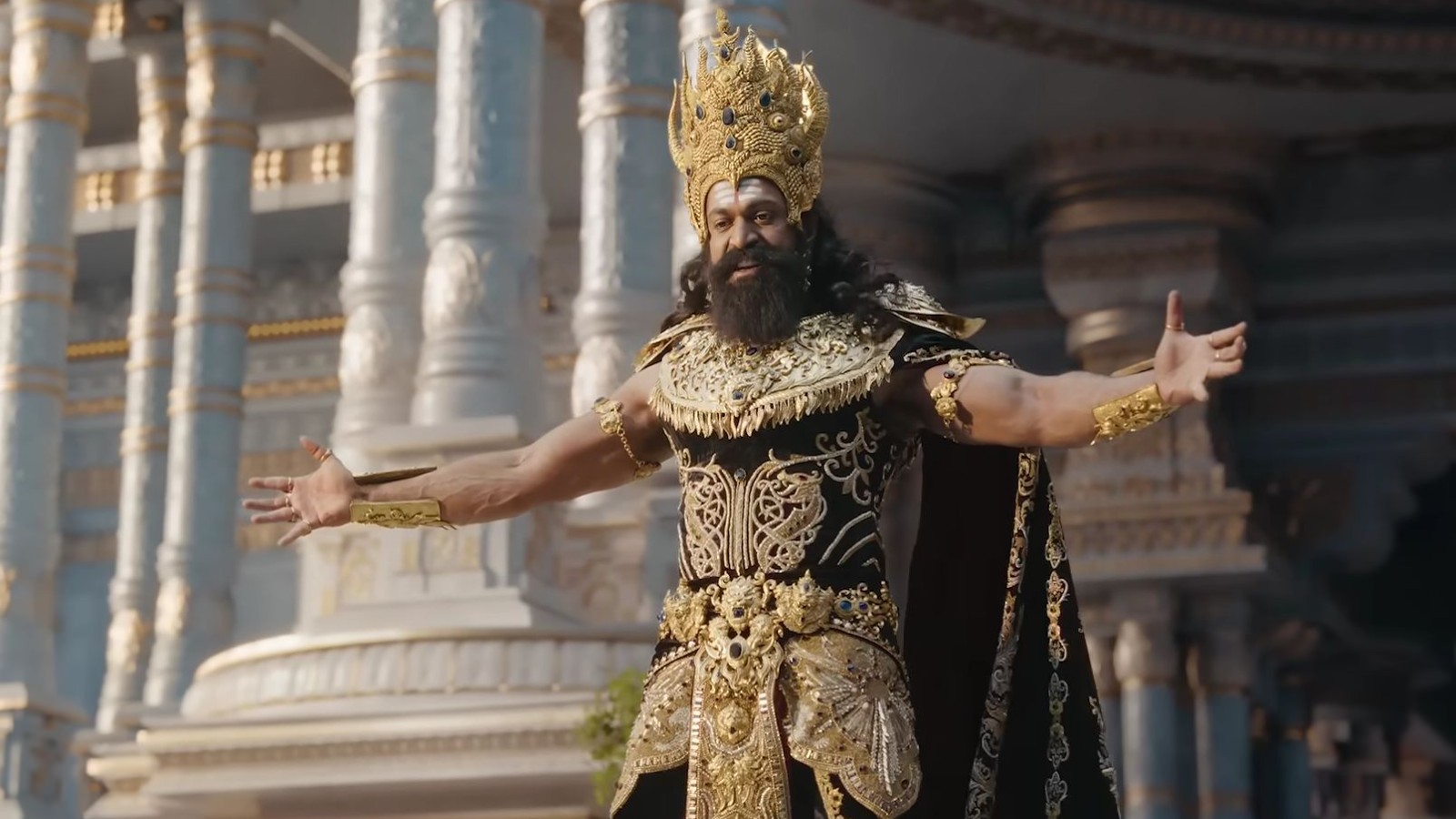
The film begins with the origin story of Ravana (Yash). Born to sage Vishrava and demon princess Kaikesi (Shobhana), young Ravana or Dashanan is reminded of his destiny by his mother that he must attain power. Following his penance and devotion, Ravana is granted the boon of immortality by Lord Brahma, which makes him invincible from all creations, except humans.
Ravana usurps the throne of Lanka from his half-brother Kuber and considers himself as the master of the heavens, the earth and the netherworld. His power and pride cause great worry among the Gods and Lord Indra (Kunal Kapoor) seeks Lord Vishnu’s intervention. Lord Vishnu then takes the form of a human, Lord Rama (Ranbir Kapoor), the heir of Ayodhya and son of King Dashratha (Arun Govil), who is destined to restore goodness and peace. From being an able warrior and a loving soulmate to Mata Sita (Sai Pallavi), to realising his purpose towards infinite greatness, Lord Rama embarks upon a whirlwind journey of love, honour, justice and sacrifice while propelling the triumph of good over evil.
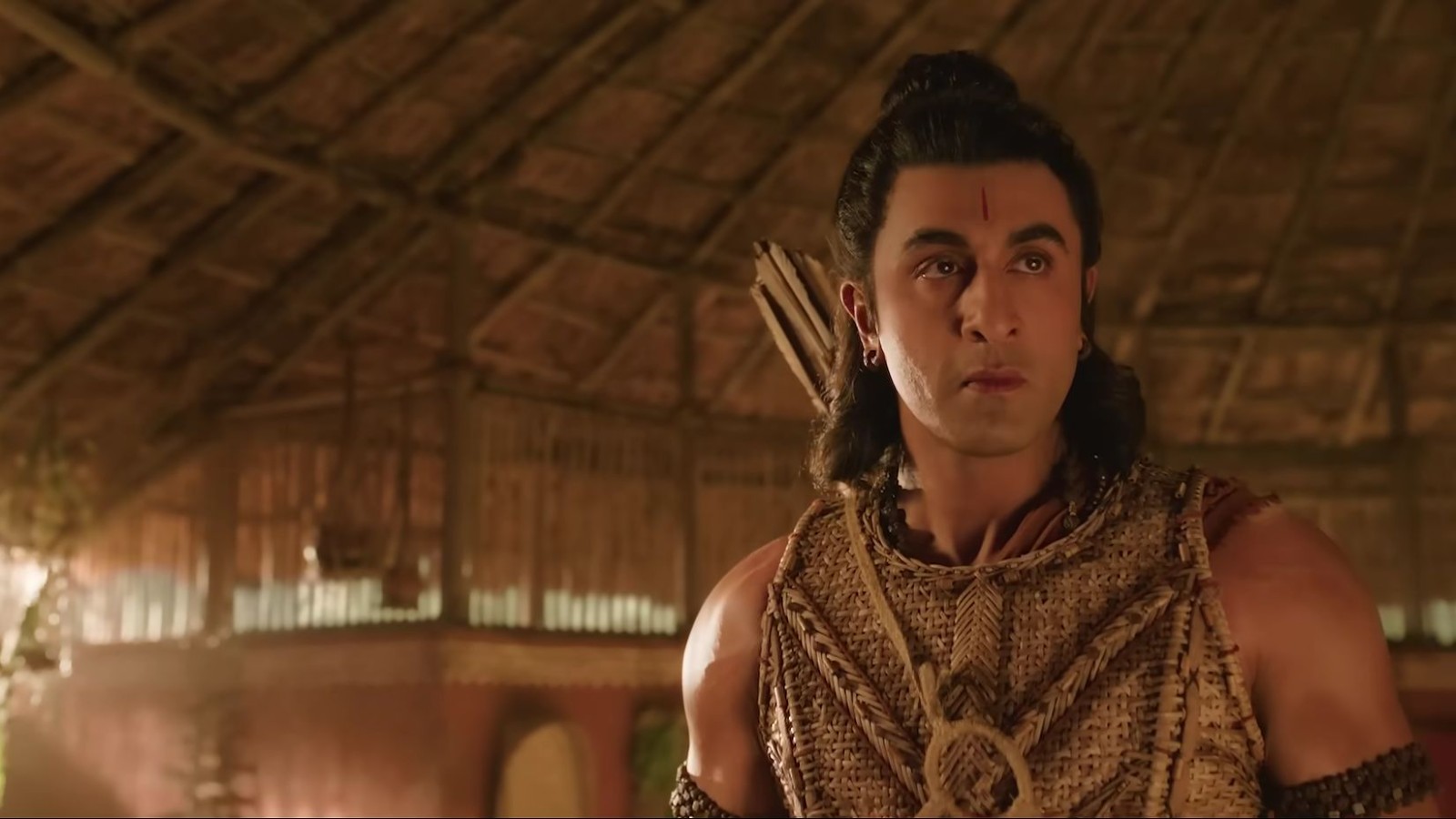 Ranbir Kapoor as Rama in Ramayana Part 1
Ramayana Review
Directed by Nitesh Tiwari of ‘Dangal’ and ‘Chhichhore’ fame, the pressure of retelling one of India’s most revered and loved epics can be daunting. As the saying goes, familiarity breeds contempt. Sage Valmiki’s adaptation of Ramayana is laden with characters and elements that are familiar to Indian households. The comparison to late Ramanand Sagar’s much-loved televised interpretation is inevitable, considering the latter has managed to stay relevant for nearly four decades. In such an instance, an average Indian cinegoer’s expectation is to seek the new in what’s already known.
From the initial scenes, when Ravana engages in a duel with Lord Indra, it is evident that ‘Ramayana’ has been designed to attract a global audience that is unaware about Indian mythology. Or as fans suggest, ‘India’s answer to The Odyssey’. The scale is unmissable and sometimes, it overpowers the emotional chords of the story. Without a doubt, the VFX by eight-time Academy Award-winning studio DNEG and the cinematography by Pankaj Kumar and Mahesh Limaye, give ‘Ramayana’, the spectacle it deserves. Written by Tiwari, Shreyas Jain and Shridhar Raghavan, the dialogues, written in literal Hindi, are similar to what was heard in Sagar’s Ramayan, unlike the pedestrian language witnessed in Om Raut’s ‘Adipurush’.
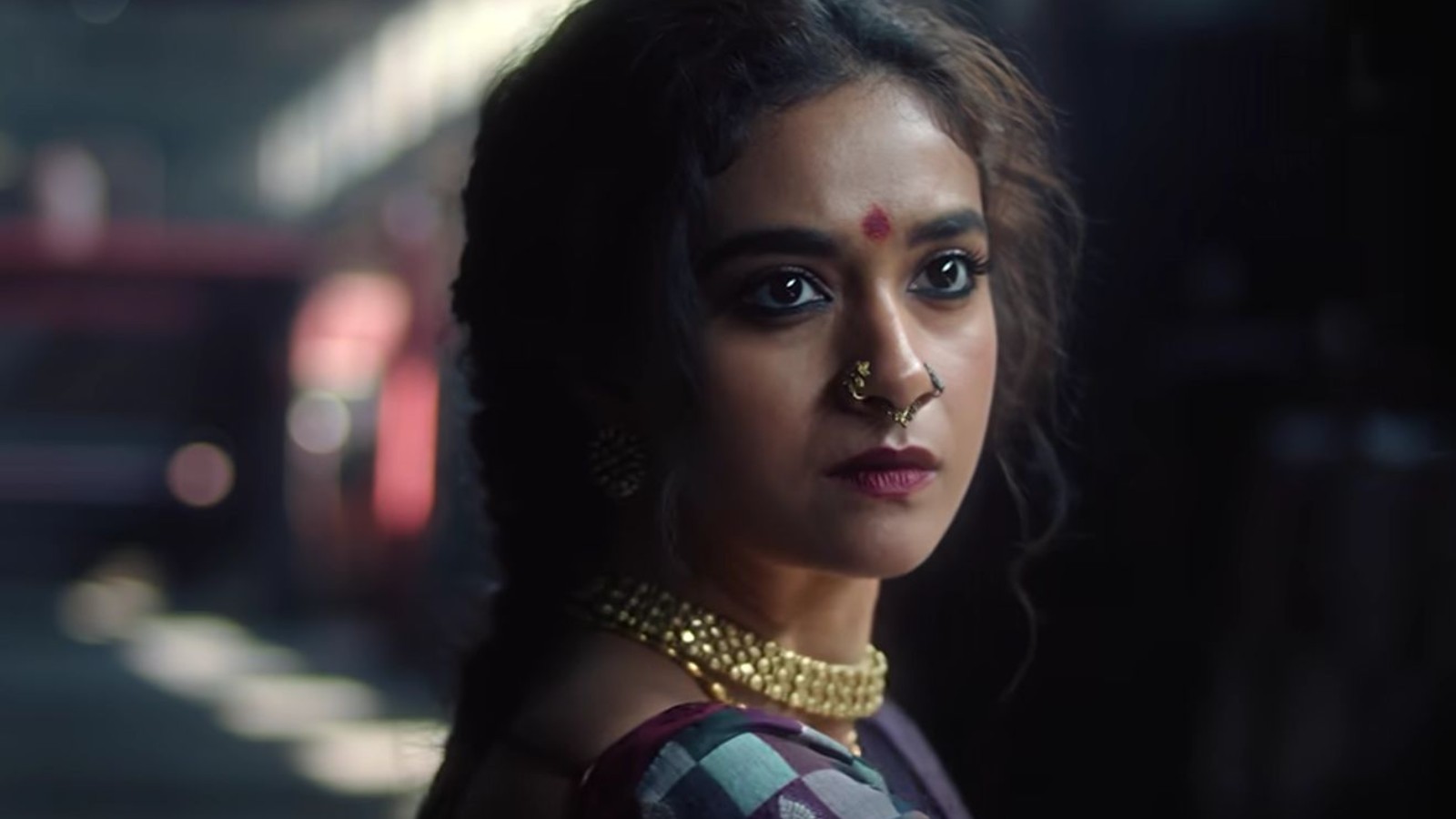
From the perspective of novelty, it must be commended on how the makers attempt to establish refreshing nuances, especially to the characters of Ravana and Mata Sita. When Ravana is crowned the king of Lanka, he assures his subjects of equality, a tiny detail that briefly humanises a character, who has been known as the face of evil. For those who have read author Chitra Banerjee Divakaruni’s feminist gaze of the epic in the book ‘The Forest Of Enchantments’, it was welcoming to watch Mata Sita, an able warrior herself, wield weapons while fighting the demons Khara and Dushana, when Surpanakha seeks revenge for her humiliation.
Guy Norris and Terry Notary stage some visually stunning action sequences, particularly, the climactic confrontation between Ravana and Jatayu which drew whistles from the author’s packed early morning show. Shiamak Davar’s choreography deserves an applause for how Yash goes into a trance during the song, ‘Ravana Tandav’.
The biggest disappointment lies in the mostly underwhelming score by Hans Zimmer and A R Rahman. While the music album leaves little to nothing to rave about, the background score is moving in roughly two scenes.
Speaking of the performances, Ramayana is easily the Yash show all the way, which isn’t surprising as it is given that the film is an origin story of the demon king. It is a wise call by the makers to get the actor’s Hindi dialogues dubbed by Sharad Kelkar (also known as Prabhas’ voice in the Baahubali franchise), as Yash’s heavy Kannada accent in the earlier promos were met with a lukewarm response. The actor, who also lends his weight as the co-producer, undoes the criticism received for ‘Toxic: A Fairy Tale For Grown-Ups’, with a towering act in what is his first feature film in Hindi. From a young man with interest in fine arts, who emerges as a scholar to becoming a feared king, Yash doesn’t miss a beat. His ten-headed moment had the entire theatre clap in awe.
Ranbir lends an earnest effort in portraying Lord Rama and his act reflects the awareness and caution that comes with playing the part responsibly. But, in his case, intent does not match effort and the rough edges do get outlined. However, he shines in the emotional moments shared with his father. Without giving away a spoiler, Ranbir is more effective when he dons another avatar of Lord Vishnu. Props to the make-up department for the look.
Arun Govil has been widely accepted as the embodiment of Lord Rama, an image that he hasn’t been able to shrug off. In this film, the actor makes a solid impression as King Dashrath. He particularly stands out in the scene when he realises that his son has to bear the brunt of his curse. Sai Pallavi’s simplicity and innocence makes her a great casting choice as Mata Sita. While her dialogues too have been dubbed, her screen-time is pretty limited. Hopefully, there will be more of her when Part 2 releases. Ravie Dubey as Lakshmana is suitably cast too and adds comic relief sparingly, without reducing it to a gimmick.
Mukesh Chhabra’s casting includes an impressive line-up where noteworthy performances are drawn from names, where it is least expected. Lara Dutta is outstanding as Kaikeyi, who is torn between her love for both Rama and Bharatha. Sheeba Chaddha is commendable as Manthara, Kaikeyi’s servant, who brainwashes her. Ajinkya Deo as Vishvamitra and Shishir Sharma as Vashishtha lend wisdom to their parts as revered sages.
Addinath Kothare as Bharatha, Harish Uthaman as Vibhishana and Kunal Kapoor as Lord Indra make their screen presence felt. While Indira Krishnan as Kaushalya and Sonal Jha as Sumitra don’t get more than two dialogues to deliver, another particularly noticeable gripe is with how Kajal Aggarwal and Rakul Preet Singh are presented as Mandodari and Surpanakha, respectively. Not being prudish, but the manner in which both women are styled is rather questionable.
Ramayana verdict
At 3 hours and 15 minutes, Ramayana is a worthwhile trip to the theatres, this festive week, as the evolution of technology ensures that the epic receives the grandeur it deserves. If you choose to overlook the minor hiccups, then the movie is surely sincere and committed to its vision. Diwali 2028, come sooner as the grand tease towards the end of this film, was quite a surprise.