Akka series plot:
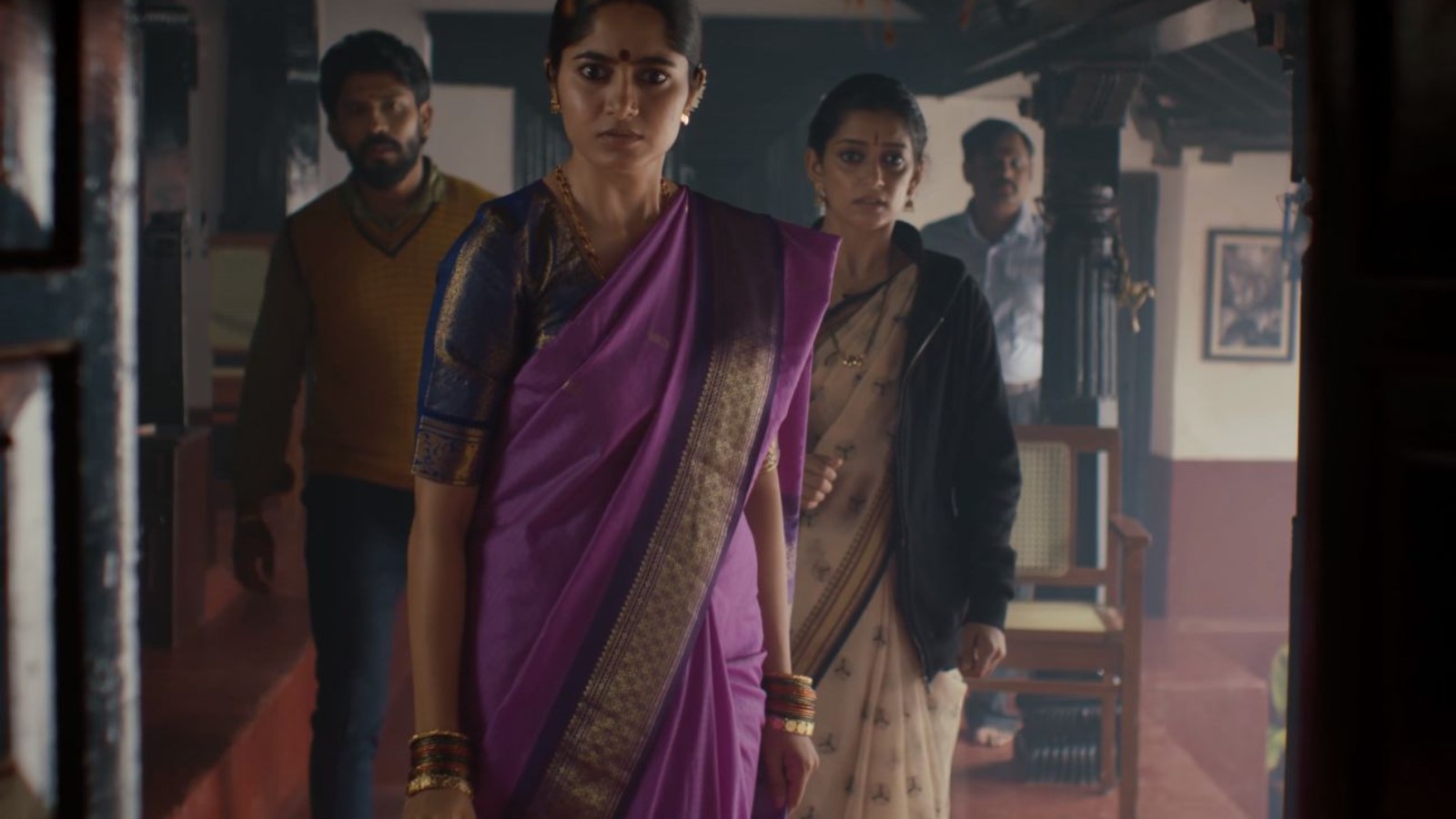
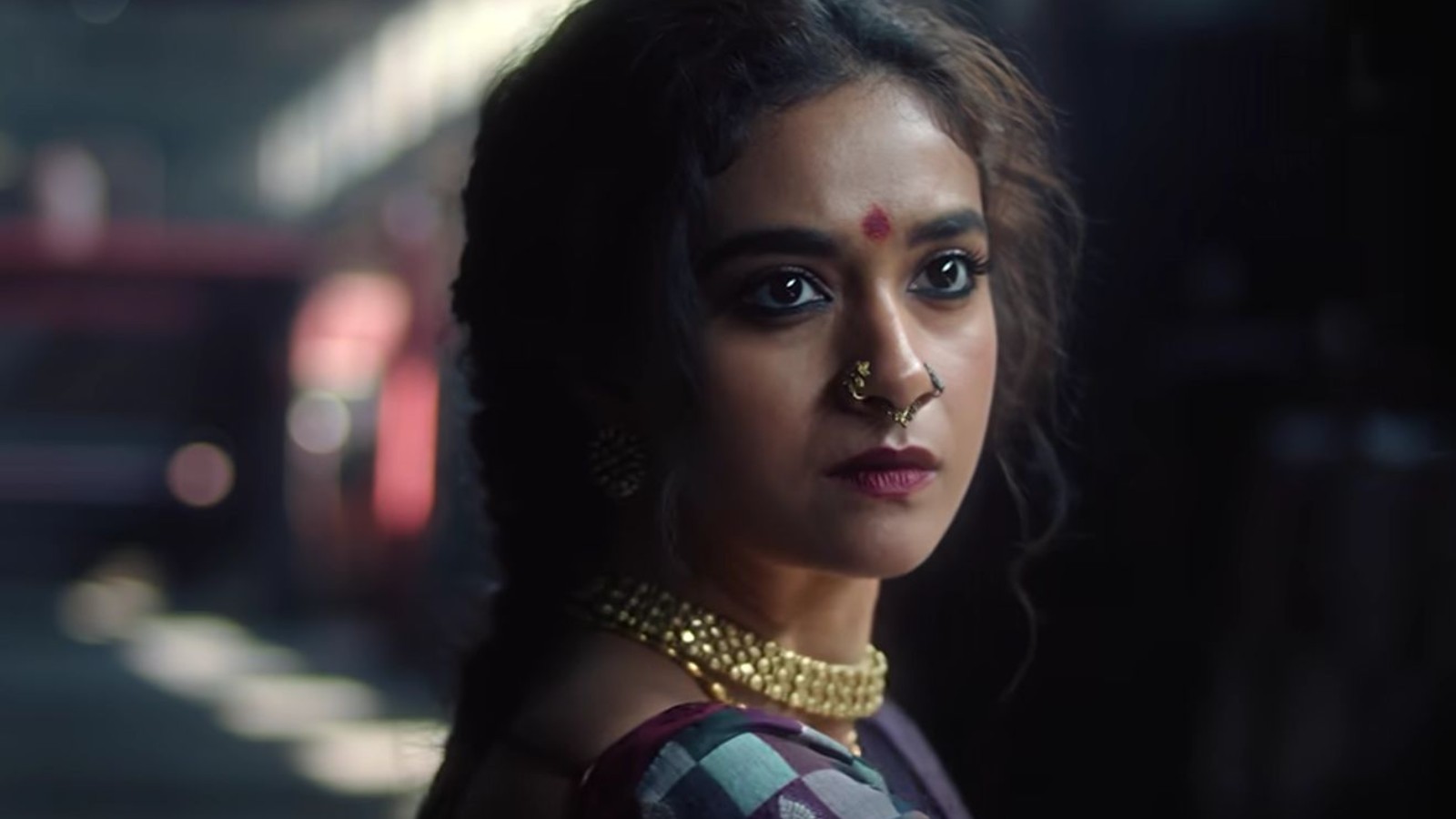
In Pernuru, located somewhere away from Mumbai, a matriarch-led, clan-divided kingdom is governed by a syndicate of women who are not bound by marriage. The three clans crown their female heirs, grant women authority over men, and expect their leaders to remain unmarried rather than settle down. The position of the matriarch, known as Akka, eventually passes to Bhavani (Keerthy Suresh) of the Malemar clan, with Herkada and Perplady being the other two. However, her reign is far from peaceful, as she faces a threat in the form of Rudra (Radhika Apte), who wants to ambush the kingdom for reasons that gradually come to light.
Akka series review:
With its warm-tinted frames and the grandeur of a women-led gangster saga, Akka promises a rich lore of matriarchs and a crime syndicate rooted in female power. We are told that years ago, when the king of Pernuru and his soldiers failed to return from war, his sisters took over the reins and built the kingdom from scratch. Ever since, Pernuru has remained a matriarchal society. The series establishes a grim and gritty world of syndicates, leadership, power, crime and autonomy, ideas that are conventionally more associated with men and their stories. With Netflix's Akka, fronted by Keerthy Suresh and Radhika Apte, there is an attempt to tell a story that places women at the centre of this world. However, the series doesn't quite have enough emotional depth to make us invested in it.
There is a scene in Akka where the matriarch announces an incentive of four grams of gold and money for women who give birth, in an effort to maintain the kingdom's population. Even though the series is set in the 1980s, the announcement feels strikingly relevant to contemporary promises. But almost immediately after making the announcement, the matriarch warns the women against treating it as an opportunity to have multiple children. It is in moments like these that Akka finds some of its more interesting observations about women, power and the expectations placed on them. The matriarch's authority might appear absolute, but even within this supposedly liberated society, women's bodies and reproductive choices remain subjects of governance.
Unfortunately, such observations remain sporadic. For all its talk of women in positions of power, the series eventually falls back on familiar tropes, particularly when it comes to portraying a woman with lethal ambitions. This is most evident in Radhika Apte's Rudra, who is initially positioned as the antagonist, only for a last-minute revelation to arrive and provide justification for her actions. While the character has the potential to be an intriguing counterpoint to Bhavani's leadership, the eventual explanation feels more like an attempt to rationalise her ruthlessness than a meaningful exploration of it. Why do women need to have gone though sob stories to have them be just another bad person?
The series also takes considerable time establishing the kingdom, its three clans, the men who are part of this matriarchal system and the positions of power they occupy. Yet, despite the time devoted to this world-building, there is surprisingly little exploration of what makes Pernuru function differently from the society we know. At times, Akka feels like a straightforward gender reversal of the existing social order, rather than an imaginative examination of what a world governed by women could actually look like. What are the contradictions of such a system? How does power operate when women occupy the positions traditionally reserved for men? And does a woman-led society necessarily mean a more equitable one? These are questions the series could have explored, especially given the fascinating premise it sets up. Instead, it merely scratches the surface, leaving several opportunities for meaningful storytelling unexplored.
Having said that, Akka remains a visually appealing series, with its striking production design and carefully composed frames lending Pernuru a distinct identity. Keerthy Suresh carries Bhavani's regal presence with conviction, commanding attention whenever she appears on screen. Radhika Apte, meanwhile, embodies the female fatale with her usual restraint, bringing an intriguing unpredictability to Rudra. Both actors bring considerable screen presence to their roles, even when the writing doesn't always give them enough material to work with.
Akka series verdict:
Akka accommodates a vast canvas for world-building, but its five-episode run barely scratches the surface of the world it creates. Despite having two compelling actors at the forefront and ample room to explore the intricacies and contradictions of a matriarchal society, the series settles for a largely superficial examination of its own premise. What could have been an intriguing exploration of women, power and autonomy eventually turns into a lukewarm watch.