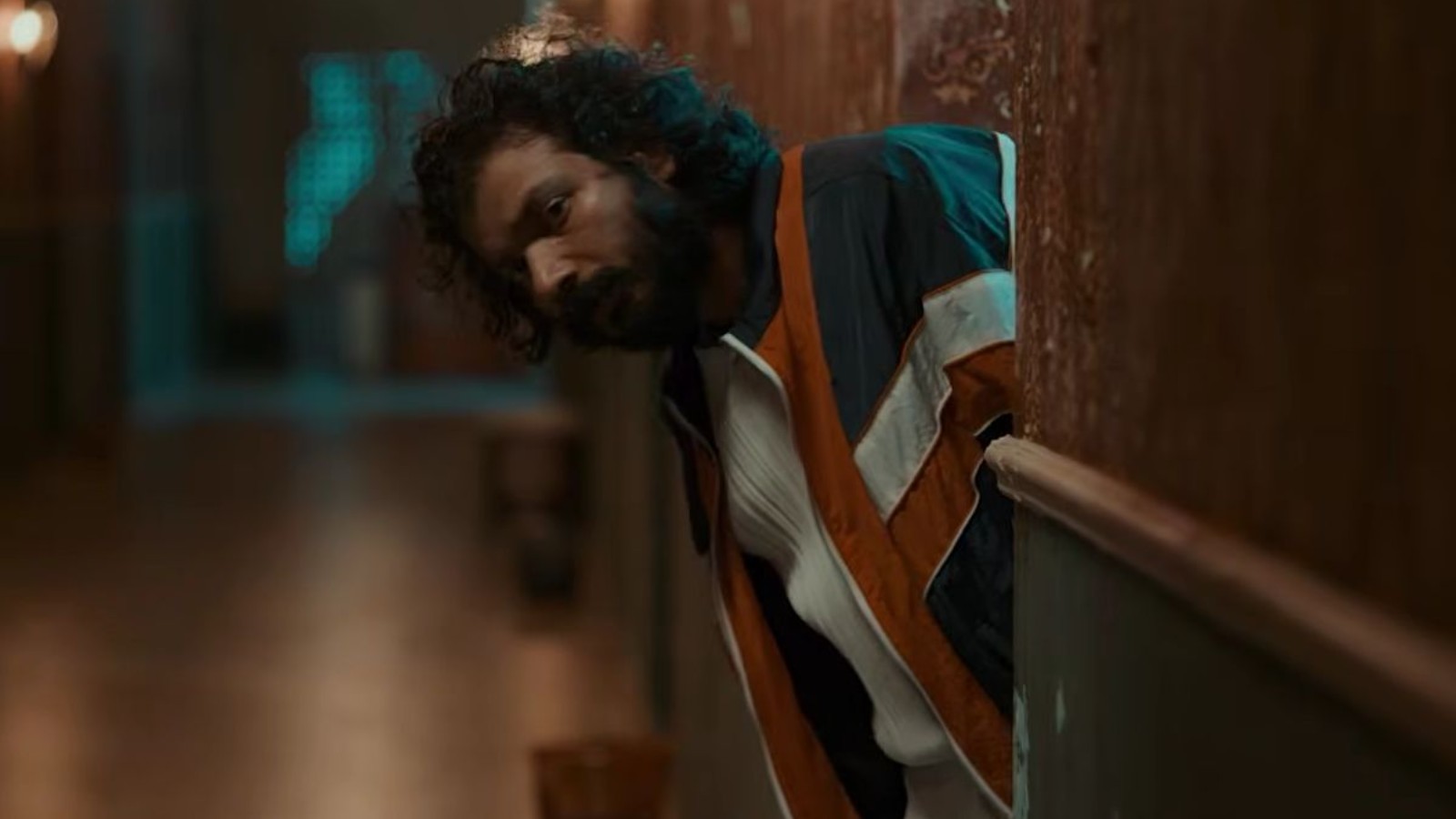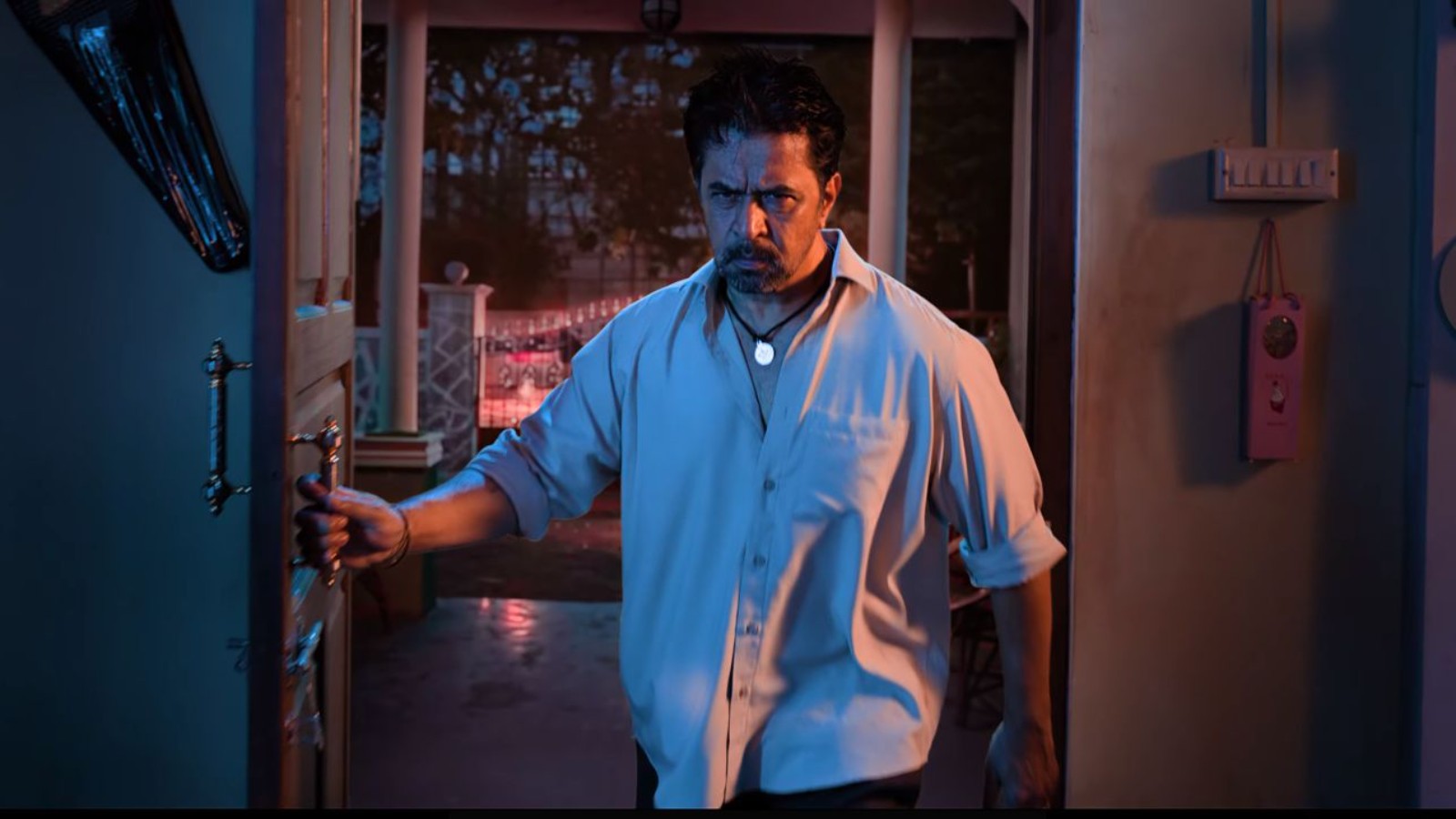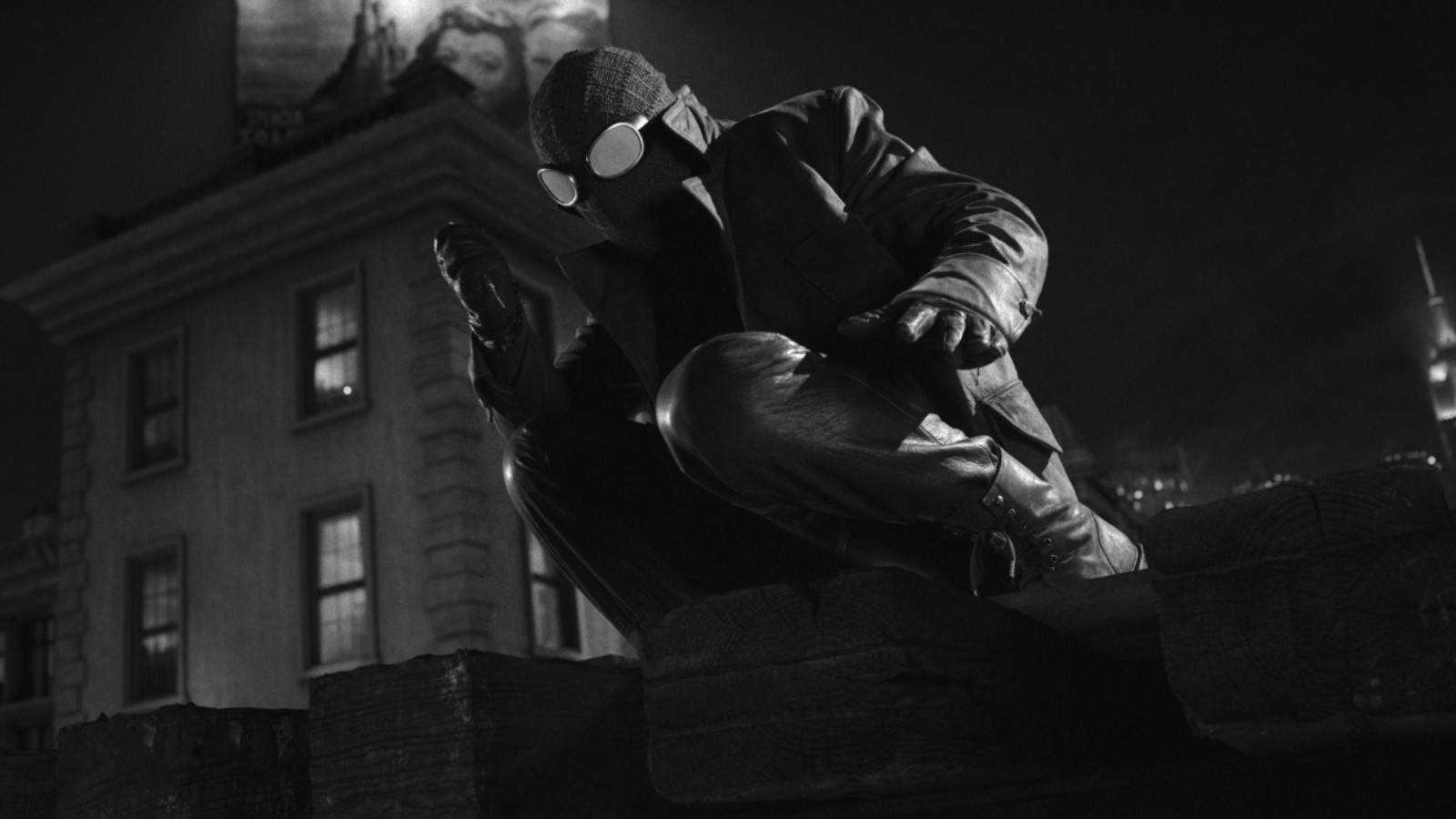
Released on Prime Video on May 27, 2026, the eight-part live-action Marvel series Spider-Noir has stunned viewers with its noir aesthetic, which is characterised by Nicolas Cage's unpredictable and emotionally wrenching performance and the rain that splatters across the screen.
Smoky jazz clubs, cynical voiceovers, and profound existential dread successfully replace typical superhero bombast in this hard-boiled, Depression-era reinterpretation of the wall-crawler legend. However, viewers can't stop talking about the shocking and heartbreaking episode eight finale. Spider-Noir carves out its niche by painstakingly referencing vintage film while simultaneously ripping apart decades of comic book clichés.
Read on to find out who made it through the Spider-Noir series finale unscathed and what Ben Reilly's fateful decision portends for the show's continuation.
Ben Reilly, played by Cage, tries his hardest to escape his past as "The Spider" during the first season as he becomes older and more worn out. Ben Reilly, who asserts that he donned the mask solely for attention, has spent years as a struggling private investigator after abandoning his vigilante persona five years ago following the death of Ruby J. Williams (Amanda Schull). He has a supportive inner group that continuously reminds him of his abilities to save the city. This includes his optimistic freelance journalist Robbie Robertson (Lamorne Morris) and his sharp-witted assistant Janet Ruiz (Karen Rodriguez).
A renegade scientist's enigmatic remedy serves as the season's narrative motor. Veterans of World War II who were genetically engineered to have superhuman abilities are the intended recipients of this treatment, which would reverse their deteriorating health. This solution looks like a way out for Ben, who got his powers after a terrifying meeting with a prisoner, "Man-Spider", during the battle. This treatment offers him the opportunity to deactivate his abilities, abandon his heroic duties, and live a normal life.
But the vicious Irish mob lord Finbar "Finn" Byrne, alias Silvermane (Brendan Gleeson), rules over New York's criminal underworld, and he has turned these dying, superpowered veterans into muscle.
In the last act, the syndicate led by Silvermane faces up against the rare cure's diminishing supply in a high-stakes showdown. As a result of his upgraded enforcers, Ben is under attack from multiple directions. In the midst of the mayhem that is the last showdown, Megawatt, the unstable electrical powerhouse, meets his demise. Silvermane's enforcer, Lonnie Lincoln/Tombstone (Abraham Popoola), survives after his neutralisation. A bodyguard named Flint Marko, played by Jack Huston, is progressively losing control of his explosive sand-based talents.
Ben must make a pivotal decision as the fate of the city teeters on the brink. With only a small amount of serum left, Ben fears losing everything if he allows Marko to meet a terrible end and the city to succumb to superpowered dangers.
In an incredibly altruistic act, Ben gives up on his desire for a peaceful, ordinary life. While using the treatment to neutralise and save Tombstone and Sandman, he used up the remaining serum. After saving the city and bringing down Silvermane's empire, Ben is back where he was: alone with the weight of being The Spider.
Staying a vigilante with superpowers is already a heartbreaking burden, and the series conclusion adds an emotional gut punch reminiscent of classic noir Hollywood.
Nightclub singer Felicia "Cat" Hardy (Li Jun Li), the archetypal femme fatale, is Ben's romantic aspiration throughout the season. After everything has settled down, he is holding out hope that they can discover a happy ending. The series presents viewers with a tragically sad Casablanca scene.
Cat decides to take rehabilitated and humanised Marko on a journey away from New York instead of staying back with Ben.
It's clear that his sacrifice makes it possible for the lady he loves to go off and be with another man. This narrative choice beautifully highlights the noir genre's tragic foundation: heroes are rarely rewarded for doing the right thing. Another rainy night is all they have to worry about.
One of the most intriguing plot twists in the show is an earlier encounter between Ben and an old stranger, a former wartime partner called "Freckles" (Andrew Robinson). Freckles drops the revelation that Ben Reilly isn't actually Ben Reilly, completely reshaping the persona.
Comic book fans often associate the name Ben Reilly with Marvel's complicated Clone Saga from the 1990s, in which a Peter Parker clone had that name. The clever twist in Spider-Noir is that it completely alters the script. In this alternate reality, Cage portrays Peter Parker. After enduring the mental and physical tolls of war, he decided to start anew and legally changed his identity to Ben Reilly.
This sophisticated retcon demonstrates Oren Uziel's and Steve Lightfoot's commitment to character-driven drama over meaningless multiverse spectacles by grounding the character's identity dilemma in real-world psychological suffering instead of science-fiction clones.
Episode eight's closing titles reveal a thematically changed board that has been substantially cleansed of Silvermane's immediate syndicate. The indifferent, retired detective Ben, who used to drown his sorrows in alcohol, is no longer present. His two selves are fully present within him. He has been re-committed to his suit and city, and he is both a private investigator as well as a superhero.
Because Ben used the last of the cure to rescue his enemies, he is now irreversibly bound to his abilities. A second season would likely have more experimental test subjects hiding out in New York's shadows, leaving an older, more optimistic, and profoundly lonely Spider-Man to face an escalating wave of superpowered gangsters without any protection. Spider-Man, portrayed by Cage, performs his duties, even if it results in personal heartbreak.