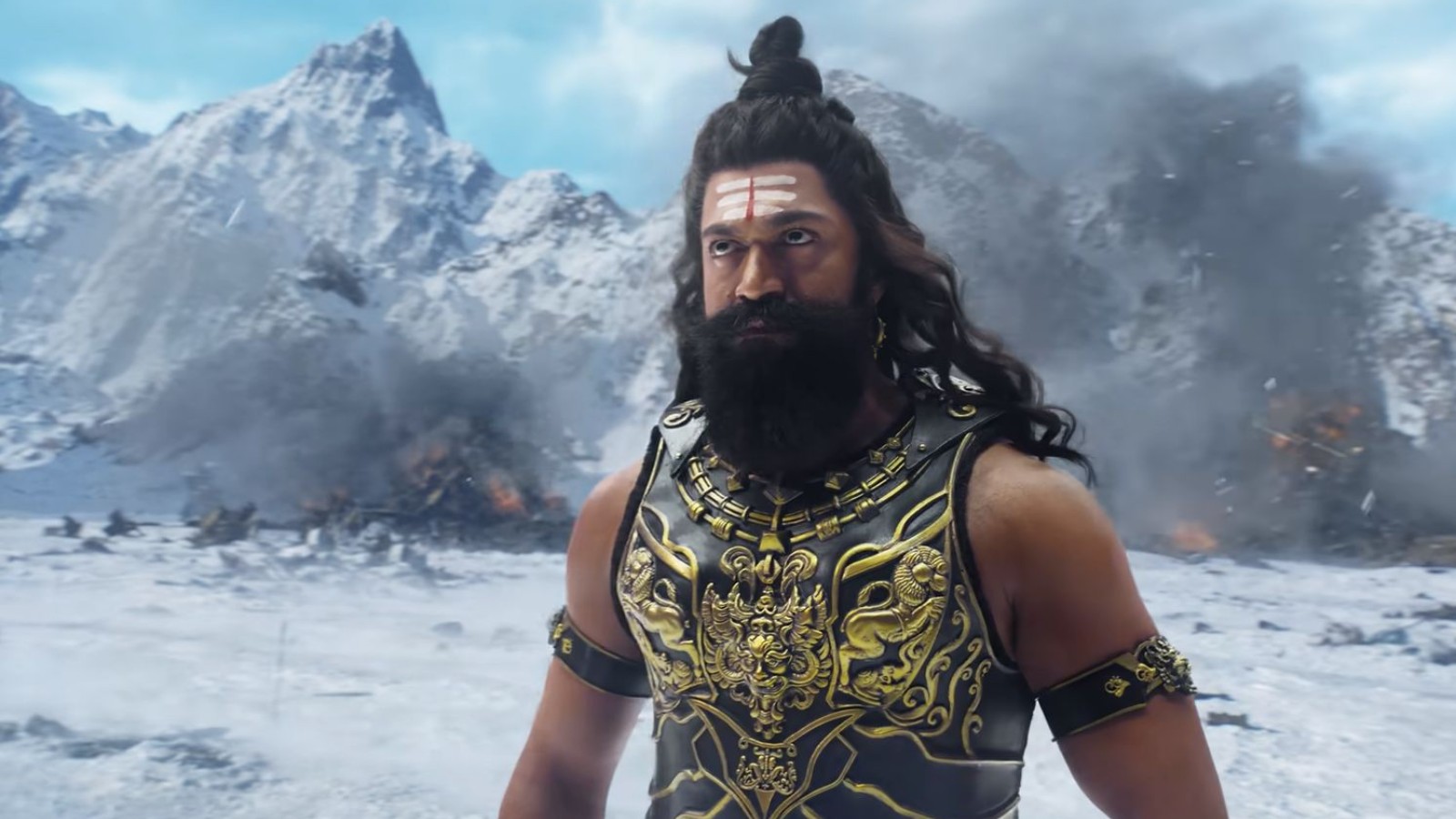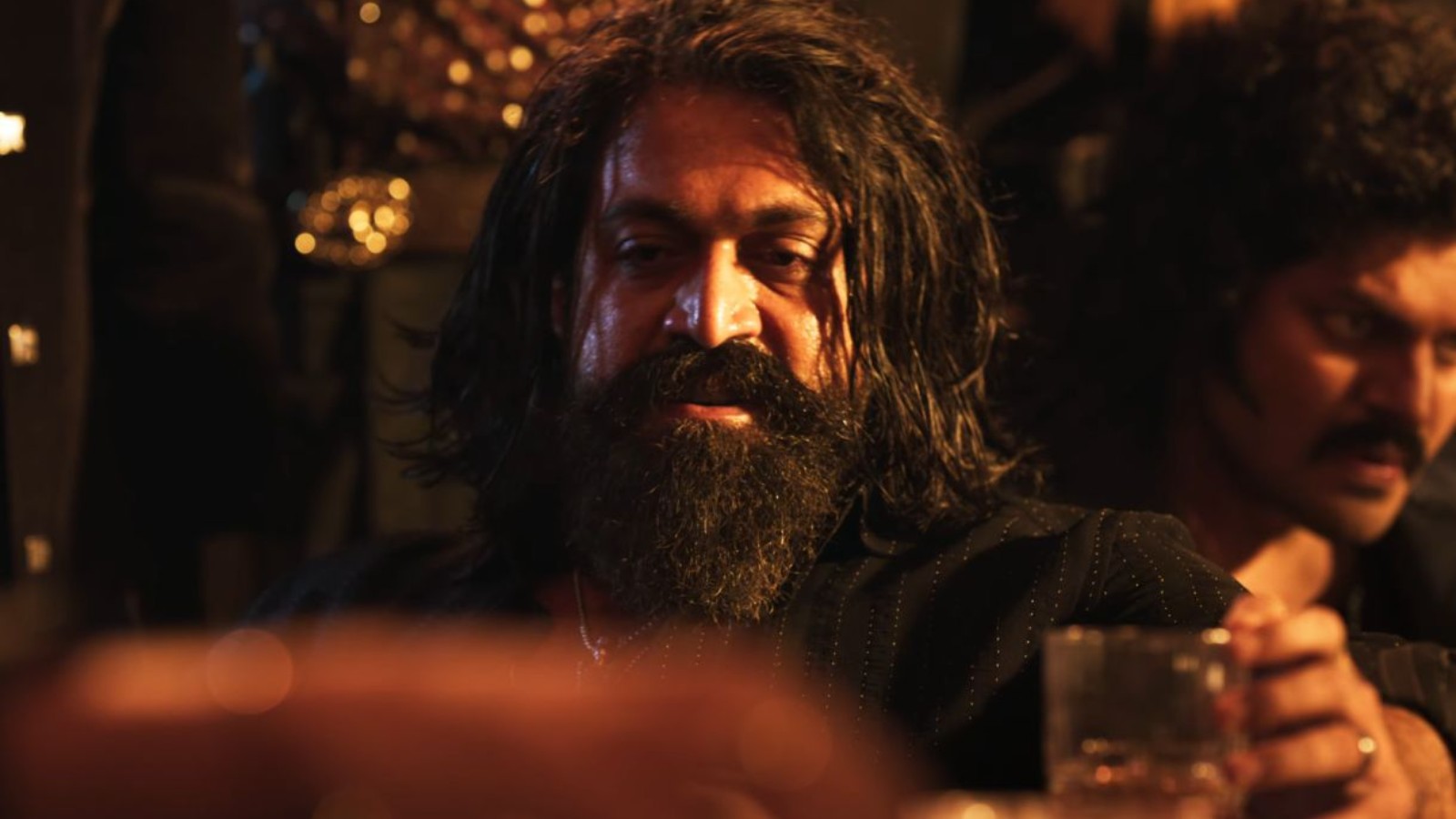
The trailer of the film ‘Toxic’ has quite apparently rekindled faith and excitement among moviegoers, particularly among actor Yash’s vast legion of fans. The gangster-action film, set to release in theatres worldwide this year on August 26, marks an end to the long wait for those who have looked forward to his follow-up to the mammoth success, K.G.F: Chapter 2, which released more than four years ago in April 2022. ‘Rocking Star’ Yash’s star has only risen during this period, and so has the mystique surrounding him. So, one awaits the impact ‘Toxic’ is likely to have on his career as well as the ecosystem of Indian mainstream cinema, with both, incidentally, making a serious bid for global recognition at the moment.
The film co-written and directed by Geetu Mohandas has been widely discussed up till now. From Mohandas’s - a well-known Malayalam actor turned filmmaker - surprising collaboration with the Kannada superstar to speculations about production delays, creative controls and also the subject matter of the project, Toxic has kept each of its interested parties intrigued since its inception. Concerns of a different kind, too, arose in the meantime with many wondering whether Yash made the right call by spending as much time as he did on a single film, and if that film, in the first place, was the right ‘fit’ to his burgeoning popularity; especially considering he shares the screen with five popular female actors in Nayanthara, Kiara Advani, Huma Qureshi, Rukmini Vasanth and Tara Sutaria. The trailer nevertheless puts those concerns to rest by confirming that the 40-year-old actor is the sole focus of the film with his dual father-son role, injecting his larger-than-life persona into a high-octane, bloodthirsty gangster narrative.
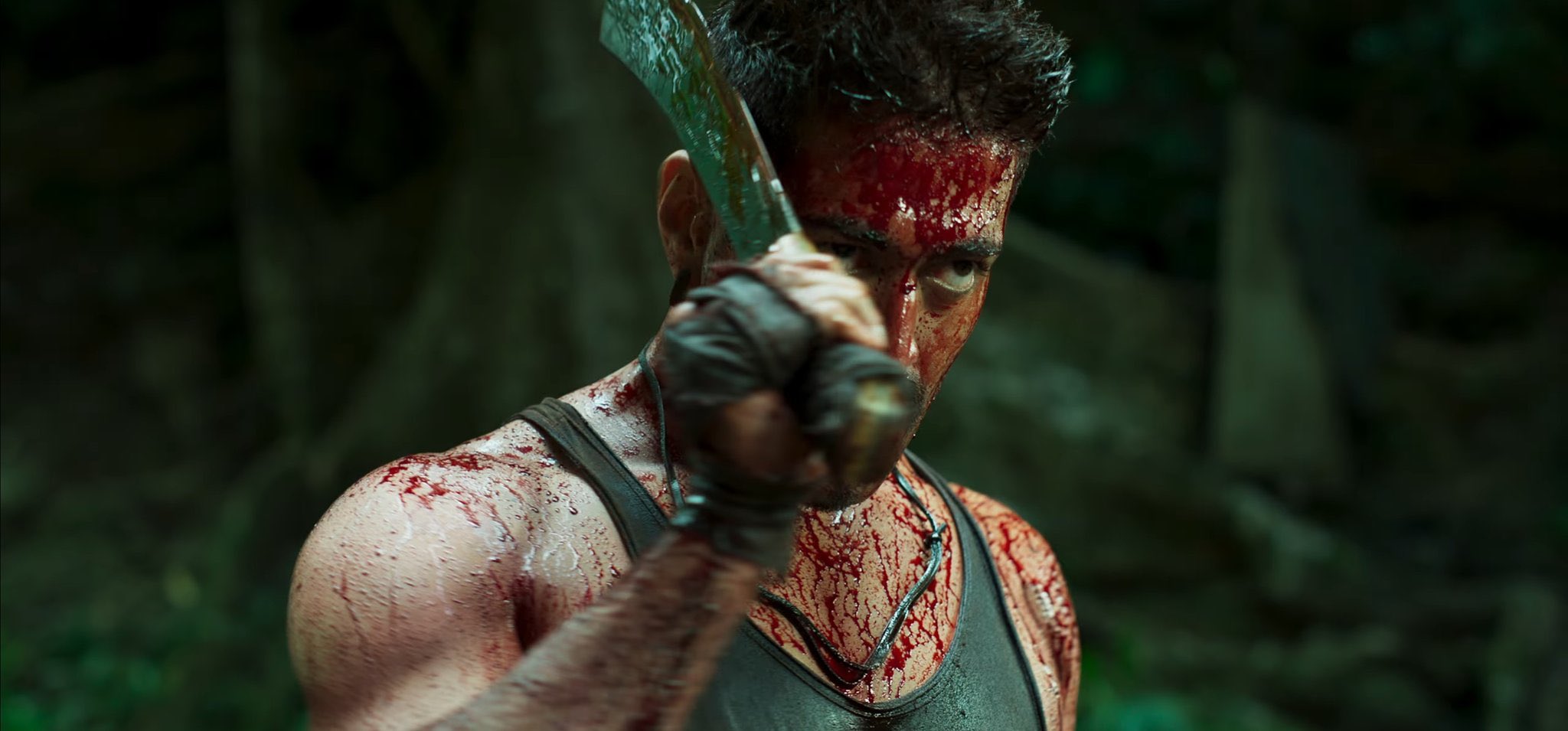 Yash in Toxic
Yet, a few ancillary ‘concerns’ crop up amidst all this. On the one hand, it is refreshing to see Geetu Mohandas, known for critically successful films such as Liar’s Dice (2013) and Moothon (2019), at the helm of a project of such significance.Indian mainstream cinema is long overdue for greater diversity and newer vantage points, and it is certainly promising that a woman filmmaker is able to lend her unique perspective to a story that is, cruelly, always delegated to men. But while that shift takes its own course, a simultaneous monotony seems to be settling into the approach of the present-generation Indian male superstar, who is increasingly turning lethal and violent under the pretext and pressures of delivering something epic to the audiences.
If we look around, we can’t help but notice that there is a monotony in the minds of both the said superstar actors and the filmmakers as part of their realms. A huge box office success today guarantees top-tier billing for the star, no doubt, but it also has been increasingly causing him to isolate himself from the actor that he is: an actor who wants to not only test himself but also use his clout to back projects that would otherwise not get made for their unconventional vision and ambition. Instead, the Indian male superstar now feels as though he is more comfortable in being a heightened version of himself on the big screen, one who deliberately wants to dissociate from the ‘ordinary’ image that the viewer associates themselves with. It’s this feverish pursuit - of widening the gap between the entertainer and the consumer - that has now, suddenly, made cinema seem more exhibitional and way less accessible.
In fairness, the globally accepted code for superstar actors, particularly in prolific industries like Hollywood and Indian (collectively), has always been to create experiences that are unlike what one encounters in the humdrum of everyday living. Those films are the channels through which unbelievable worlds become fathomable realities for a brief moment; perhaps that is one reason why playback singing or the song-and-dance routines were so readily embraced in our culture. Star troopers, daring archaeologists, nomadic spies, and genre storytelling, in general, employed in Western cinema are part of this similar exchange between the creator and the consumer. Suspension of disbelief of the highest order has long been the mantra for populist cinema.
But in contrast, what Indian cinema is currently going through is a different phenomenon altogether. A sense of restlessness and an overall dearth of ideas are palpable, and the superstar hero is the biggest giveaway with respect to the warped nature of the entertainment we (are forced to) consume today. It isn’t only that movies are increasingly violent, loud and unnecessarily ostentatious. Rather, the fact that nearly every major male big-ticket actor is resorting to the same brand of storytelling is far more pressing and worrisome.
None of them - across industries - seem to carry the desire anymore to reinvent themselves and take a gamble, even if relatively small, with stories that fall outside their self-assigned personality moulds. Self-aggrandisement has become the thumb rule in a race that considers the box office and nothing else, and the days of a mainstream hero prioritising the story and assimilating himself into a specific world as a character seem well behind us.
The culture, which is the operative word here, still seems starkly different in Hollywood’s case. It wasn’t long ago that a Russell Crowe, having won an Oscar for playing possibly the most masculine role of his career in Ridley Scott’s Gladiator (2001), chose to play a meek, schizophrenic mathematician in Ron Howard’s A Beautiful Mind (2001). Tom Cruise reprised his collaboration with director Doug Liman in American Made (2017), playing a real-life pilot who is incredibly skilled, but also corrupt and silly. Robert Pattinson has equal space for both The Batman (2022) and The Drama (2026), and if we were to look into our own history for valid references, we’ll find actors such as Mohanlal, Mammootty, Aamir Khan, etc. to have stuck to making bold choices despite their stardom.
How does the big hero of 2026 sell himself then? Must he do everything he can to hold onto the fame earned with great struggle? The answer to the latter question is a yes, of course, but the trouble starts when desperation enters the equation. And that desperation often shows up as macho posturing, where it becomes important each time around to proclaim how big one is. Even vulnerability - one of the most important assets of any believable movie character - ends up being sacrificed for the chance to be the most physically aggressive, hypermasculine figure in the room, all because one suspects that the viewer won’t take them or their status seriously otherwise.
And this trend is here among us quite glaringly, despite a few exceptions here and there. An actor like Nani who made his mark over many years as a discerning performer, now seems compelled to rebrand himself by playing belligerent, violent characters.
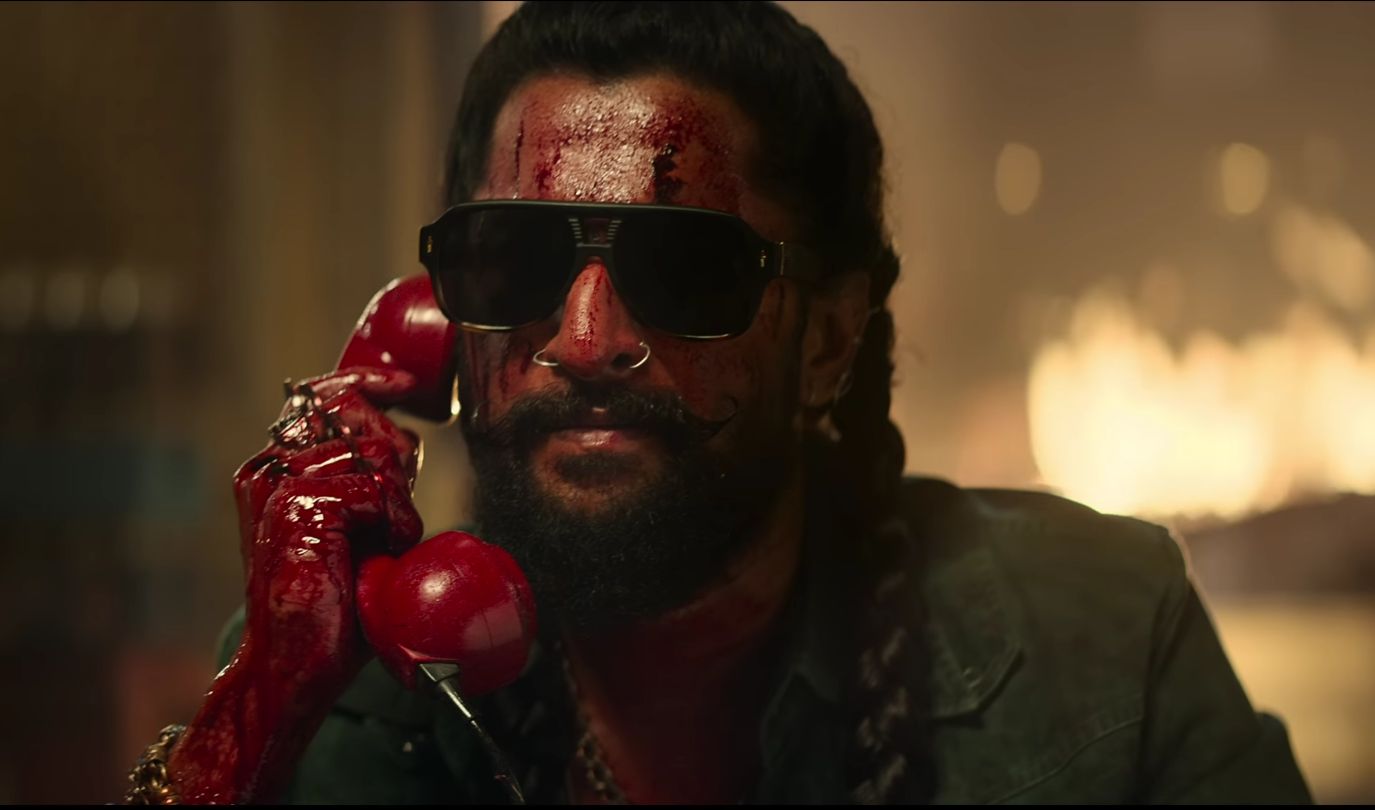 Nani in Paradise
The latest poster of the film Fauzi, starring Prabhas and directed by Hanu Raghavapudi (of Sita Ramam (2022)fame), shows a headless man smeared with blood from head to toe, while the world literally burns behind him. Violence, in itself, is an emotionally potent tool in storytelling, but when it is continually used as a means to only inflate a protagonist, it loses its essence with terrible ease. It desensitises an entire generation, proliferating a kind of cinema that neither communicates nor converses with patience.
Bhuvan, the central character in Lagaan (2001), is arguably one of the most intense characters written in recent times, yet he doesn’t get into a single physical altercation in the film’s 233-minute runtime. Mohanlal’s Georgekutty from the Drishyam series is one of the least confrontational male characters in Indian cinema, yet the latest instalment of the series grossed close to Rs. 250 crore (quite the special feat for a crime thriller). The prevailing trends constantly seek to test our collective restraint, so the onus ultimately falls on the most influential and privileged ones out there to counter them and restore some sense of balance. It is high time that male superstars challenged themselves and regarded cinema as a medium that is bigger and more enduring than they are.