Premada Oorali’s media screening coincided with that of Shivarajkumar’s Bail. No prizes for guessing which one got the nod that evening. Multiple requests to make a screener accessible elicited no response. Initially, presumably because the team did not expect the film to do as well in theatres as it did eventually and thought it best to avoid any negative press. In the days following Premada Oorali’s release, personal commitments kept me away from the city and even though the team made a screener available for a select set of media personnel, I did not make it to that list.
By the time I was back, Premada Oorali fever was just about everywhere. And so, I waited for it to dwindle down. That wait took longer than expected, but I eventually made it to a screening of the film. By then, all that I had heard from multiple friends in the media and the public at large was that “It is not a film for people with city sensibilities”.
What exactly does that mean, though? “Not for city sensibilities!!” Are we saying that a majority of the Kannada audience that has made the film a roaring success has chosen to remain in the stone age or is happy to be led there? Is there no hope of progressive thinking trickling down to rural areas? Also, is city sensibility being equated with promiscuity as acceptable behaviour?
One of the two big talking points about Premada Oorali is the father-son dynamics between Rangayana Raghu and Shreeram, the dramatics of which are quite over-the-top, but within acceptable limits if the benchmark is a very theatrics-heavy daily soap. Like, for instance, Raghu’s reaction to catching his son smoking. Ever heard of life-threatening asphyxiation due to smoke exposure? Oh no, you can just smoke out the vice like you would an insect.
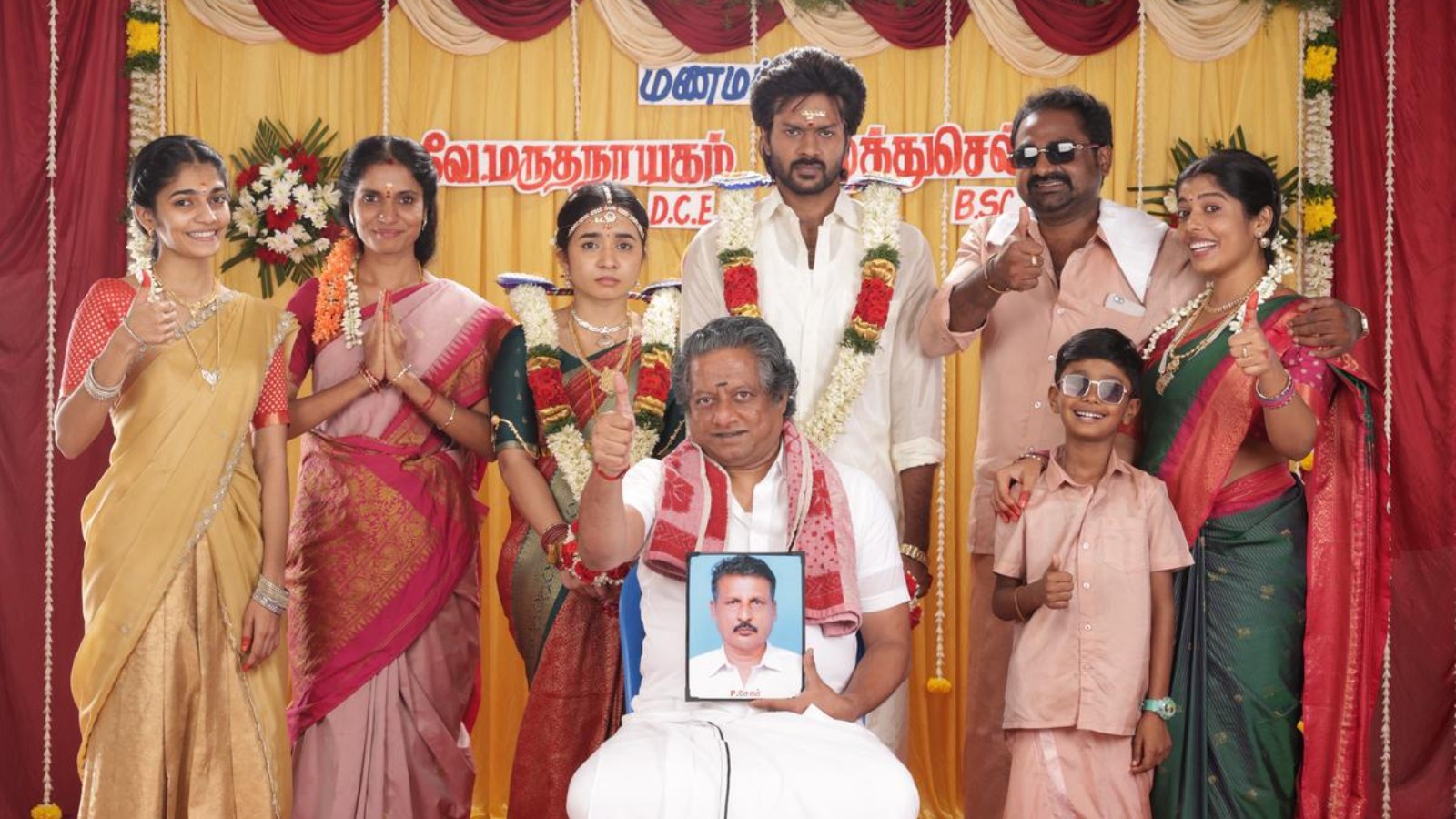
The second is the relationship between Shreeram and Thapaswini’s characters, who end up getting married. He is a village-bred farmer for whom the well-educated city lass should have been out of bounds. But then, when she is ditched by a prospective groom at the mantap, Raghu urges the son to marry her instead. Turns out, the groom bailed on her because of a rumour of an affair she’d had. She’s not the ‘pure virgin’ he was expecting, as per the grapevine.
Eventually, the rumour reaches the hero too and the conflict in the entire second half is about his loss of trust in her. For what it is worth, they do reconcile in the end because he chooses not to get into the details of what may or may not have transpired in her life. But what got my goat were the outdated and misogynistic dialogues about girls, chastity and the likes. As a girl, sex before marriage is unacceptable, the film proclaims.
After the film's mega box office success, a lot of comments also surfaced about it being better than JP Thuminad's hit Su From So. But that, I guess, is because the core messages of Su From So never became its actual talking point. Everyone just went on and on about the comedy and never the gender bias, exploitation of women, superstitions, voyeurism, porn addiction and more that the writer-director-actor touched upon. It's a concern I had voiced back then and do now too.
Suffice to say, I was appalled seeing Premada Oorali and that Kannada audiences made a whopping hit out of it. Had I reviewed it in the release week, the rating would have, no doubt, unleashed another troll brigade. This article may elicit such a response as well, but I remain steadfast in the belief that there’s still hope for Kannada audiences to step out of the shadows and discard regressive, patriarchal mindsets. And, for the love of God, do not try telling me this film is a love story.