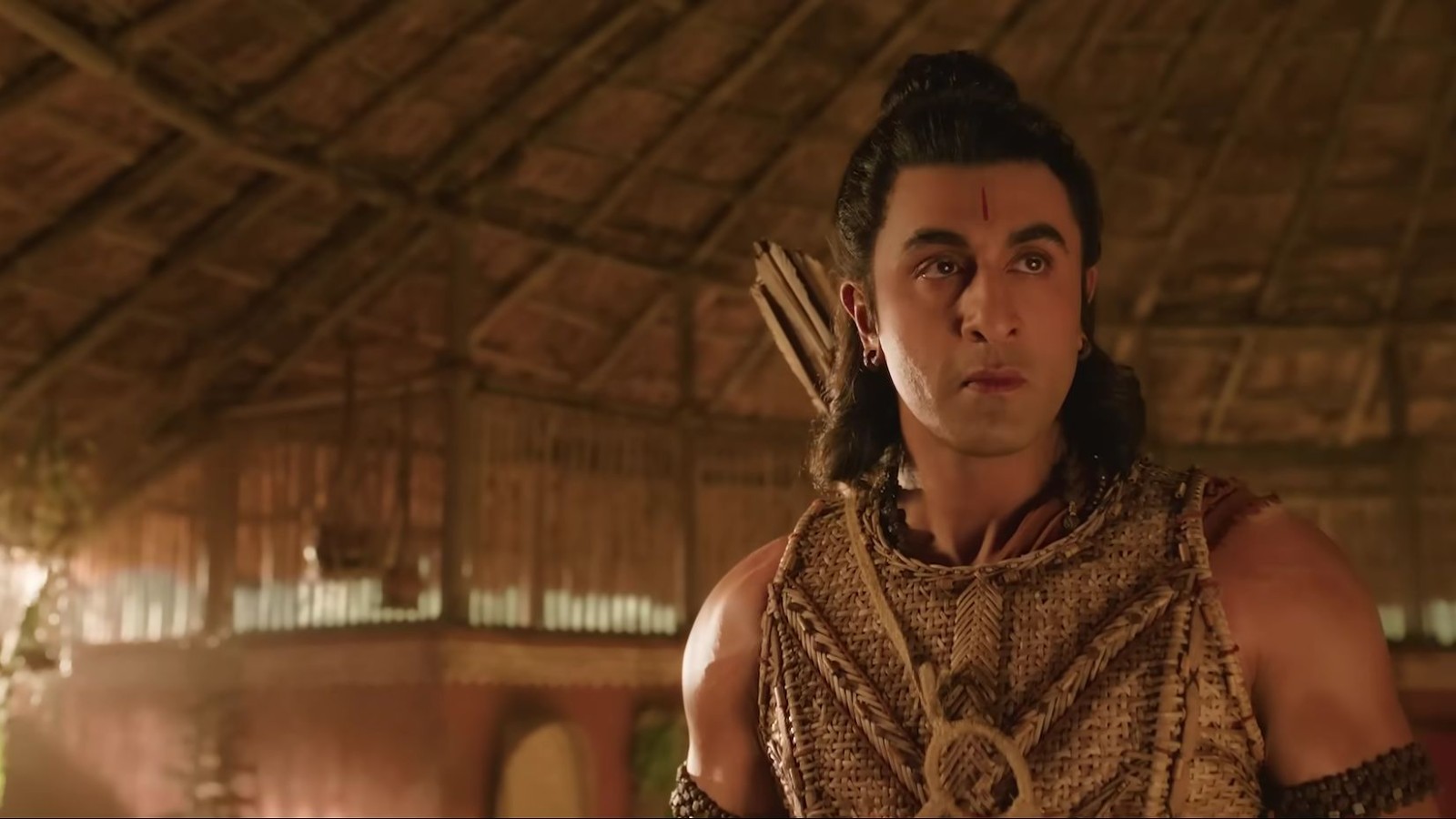
A familiar epic with an unexpected fantasy twist
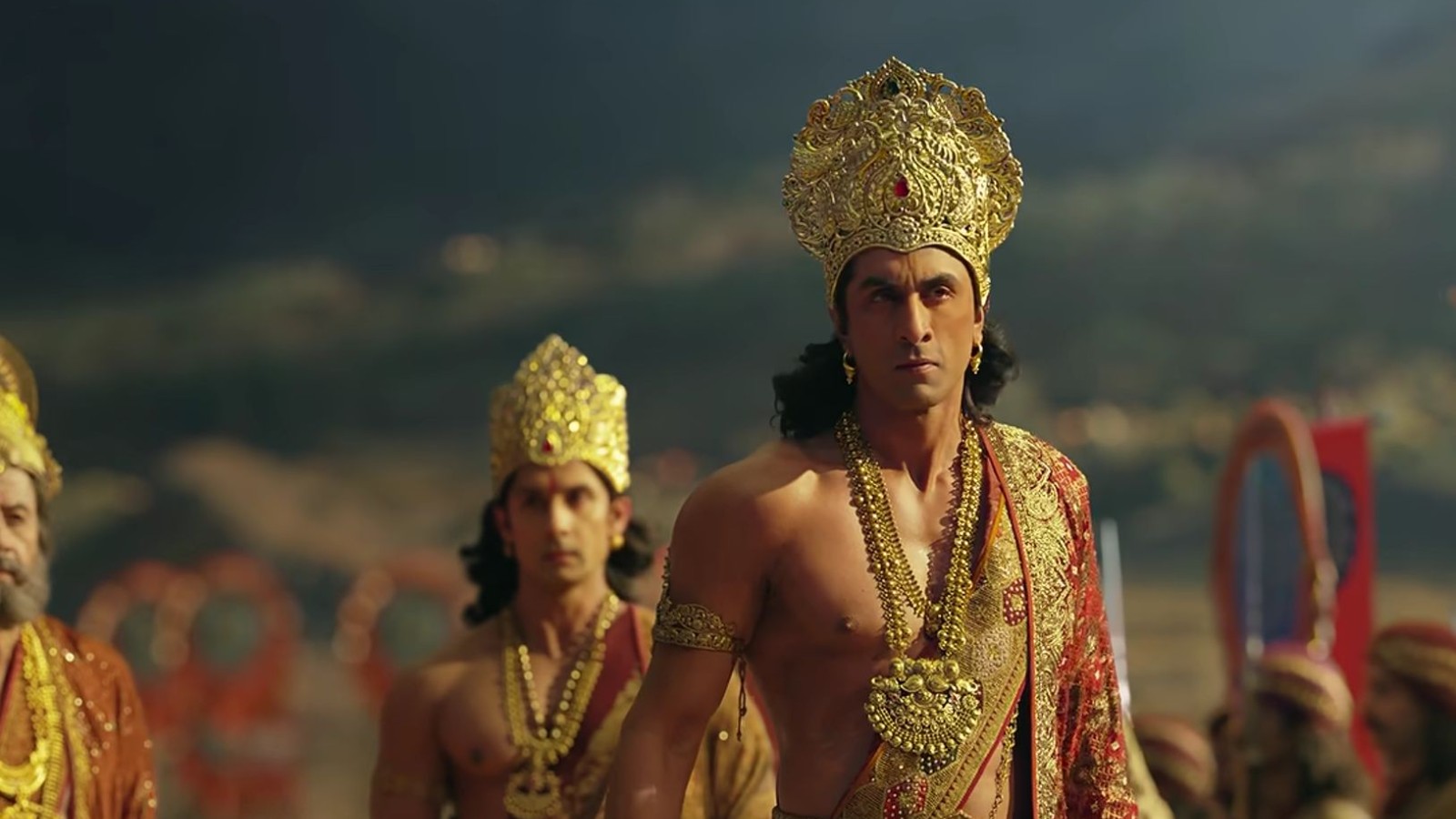
Ramayana Part One is an ambitious attempt to bring one of India's most celebrated epics to the big screen with unprecedented visual grandeur. However, the film doesn't entirely do justice to the original story. While the basic narrative draws from the familiar tale of Lord Rama and Sita being forced into exile (Vanavasa), director Nitesh Tiwari takes considerable creative liberties in presenting the characters and their world. The result is a fantasy-driven interpretation that occasionally moves away from the emotional, philosophical and cultural familiarity associated with the Ramayana.
Having grown up listening to stories of Lord Rama, Sita and Ravana, I found several of the film's narrative choices rather unexpected. Instead of allowing the familiar mythology and its inherent emotional conflicts to drive the narrative, the film appears keen to glorify the actions of its central characters. There is a sense that the makers want to establish the greatness of Rama, Sita and even Ravana through elaborate sequences rather than letting their actions and the consequences speak for themselves. This approach makes certain portions feel forced, particularly when the audience is already familiar with the moral and emotional foundations of the epic.
Yash's Ravana and the KGF-style characterisation
Interestingly, Ravana's backstory and the world surrounding his clan emerge as some of the more engaging portions of the film. Much like the larger-than-life universe created in Yash's KGF franchise, Ravana is introduced as an oppressed individual who rises against the circumstances surrounding him. His relationship with his clan, his ambitions and the blessings he receives from Lord Brahma, including the boon of immortality, provide an interesting foundation for the character.
This is also where the film changes its narrative momentum. Instead of remaining a conventional mythological retelling centered on Rama, the narrative spends considerable time building Ravana's world and establishing his power. Yash brings his trademark screen presence to the character, making Ravana an imposing figure. In fact, his portions have an energy that is sometimes missing from the rest of the film.
However, this creative decision raises an interesting question about the balance of the narrative. Ravana is undoubtedly one of the most complex and fascinating characters in Indian mythology, but giving him such a glorified introduction and substantial narrative space changes the way audiences perceive the central conflict. There are moments when the film seems more interested in establishing Ravana's greatness than exploring the moral and philosophical conflict between him and Rama.
Also read on Ramayana Part 1
- Ramayana Review: Yash steals the show as Ravana in Nitesh Tiwari’s grand retelling of the revered epic
- Ramayana: Part 1 - Nitesh Tiwari’s epic is an honest retelling that finds strength in familiar territory
Is Ramayana another film with a right-wing political agenda?
The political interpretation of Ramayana Part One is another aspect that cannot be completely ignored. There have been allegations and discussions about the film being a propaganda project that could align with the ideological narrative promoted by right-wing political parties in India. Films such as The Kerala Story, Uri: The Surgical Strike and Dhurandhar have also been part of wider conversations about cinema being used to advance particular political and ideological positions.
Given the cultural and religious significance of Lord Rama in India, a big-budget cinematic adaptation of the Ramayana naturally attracts considerable political attention. The glorification of certain characters, the way the conflict is presented and the creative liberties taken with the original mythology could invite questions about the ideological intentions behind the project.
However, it would be premature to conclude that the film is propaganda simply because of its subject or characterisation. What makes the discussion interesting is the possibility of a filmmaker using a familiar mythological story to reinforce a particular worldview. The Ramayana has been interpreted in different ways across India and other parts of Asia for centuries. A cinematic adaptation should ideally acknowledge this complexity rather than turn an epic with multiple philosophical dimensions into a straightforward narrative of glorification.
Hollywood-style fantasy and the VFX-heavy world
Visually, Ramayana Part One is a massive undertaking. The film uses extensive visual effects to create its mythical universe, particularly in the forest portions where demons and other supernatural creatures dominate the landscape after Ravana establishes his authority over Lanka. There are several sequences that resemble fantasy adventures from international cinema, with elaborate creatures, dark landscapes and large-scale confrontations.
While the ambition is evident, some of these computer-generated characters look artificial and occasionally resemble creatures from familiar Hollywood fantasy films. The visual effects are impressive in scale, but not every sequence achieves the desired realism. I couldn't find major issues with the VFX in several of the important sequences, despite the criticism surrounding the film's visual effects. However, the extensive use of CGI doesn't always translate into an immersive cinematic experience.
The problem is that the film sometimes seems more interested in showcasing its technological achievements than using them to strengthen the storytelling. A mythological epic of this magnitude requires visual grandeur, but it also needs moments of silence, emotional depth and human connection. Spectacle alone cannot recreate the impact of stories that have survived generations.
Sita as a fighter: A welcome change, but does it fit the original?
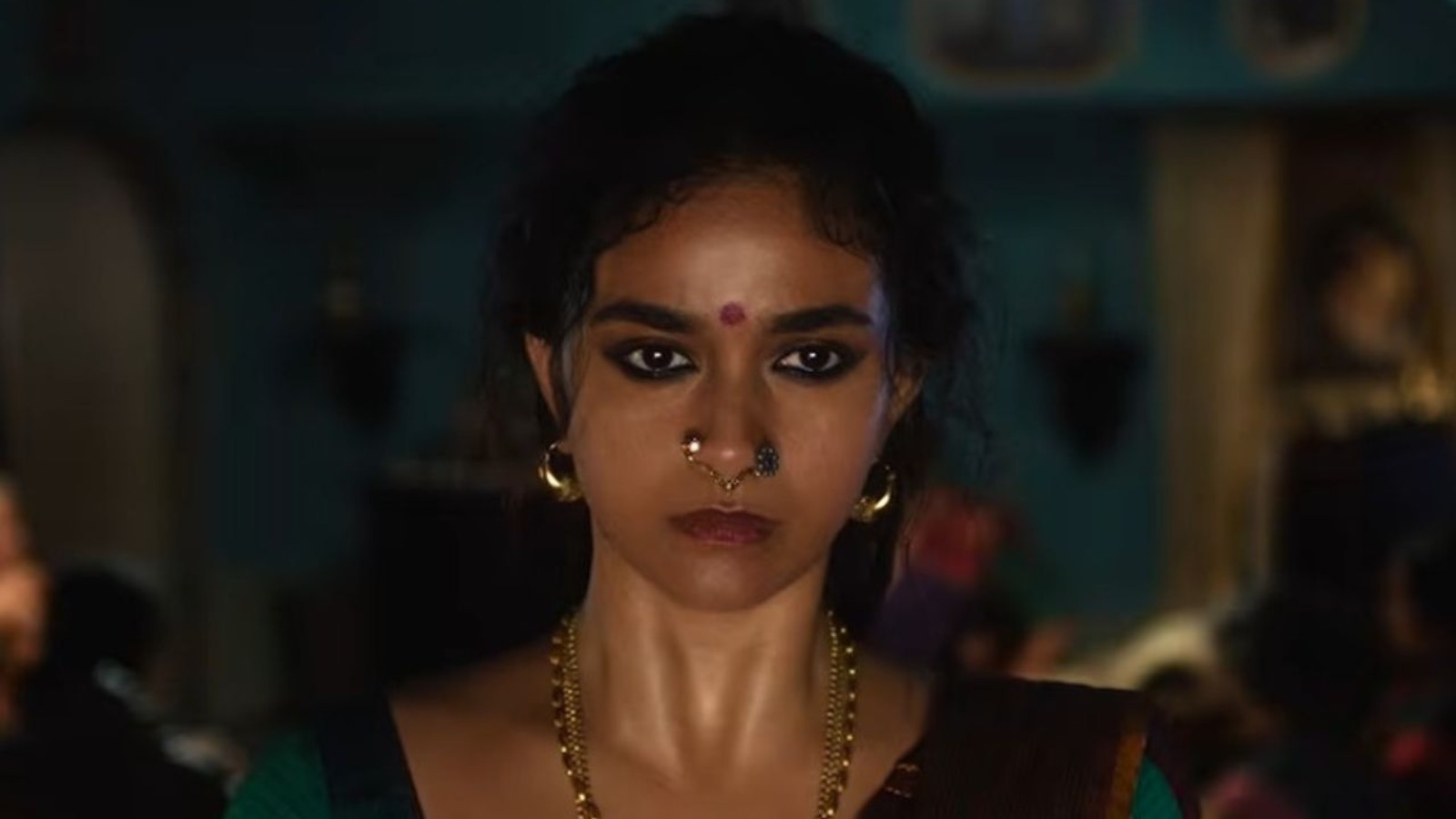
One of the more interesting departures is the portrayal of Sita as a fighter. Traditionally, popular cinematic and television adaptations have largely presented her through her virtues, sacrifices, devotion and suffering. Giving her a more active role in combat and portraying her as someone capable of defending herself is a refreshing creative choice. It is particularly welcome at a time when female characters in mainstream Indian cinema still struggle to receive equal importance in narratives dominated by male protagonists.
However, this change also raises questions about how far a filmmaker can reinterpret an established character without losing the essence of the original. Sita's strength need not be demonstrated only through physical combat. Her resilience, conviction and ability to endure extraordinary circumstances are equally important aspects of her character. The film could have explored these dimensions more deeply while retaining its new interpretation of her as a fighter.
An ambitious spectacle that misses the soul of the epic
Ultimately, Ramayana Part One is a film that deserves appreciation for attempting something on such a massive scale, but its ambition doesn't always translate into satisfying storytelling. Yash's Ravana is one of its biggest highlights, and the decision to give Sita a more active identity is worth acknowledging. Yet, the film's fantasy-driven approach, uneven emotional depth and creative deviations make it a rather different experience from the Ramayana that many of us grew up hearing.
It is possible to appreciate the filmmaking ambition while questioning the creative liberties. The film offers an elaborate new visual interpretation of a familiar epic, but whether it captures the soul of the story is a different question altogether.