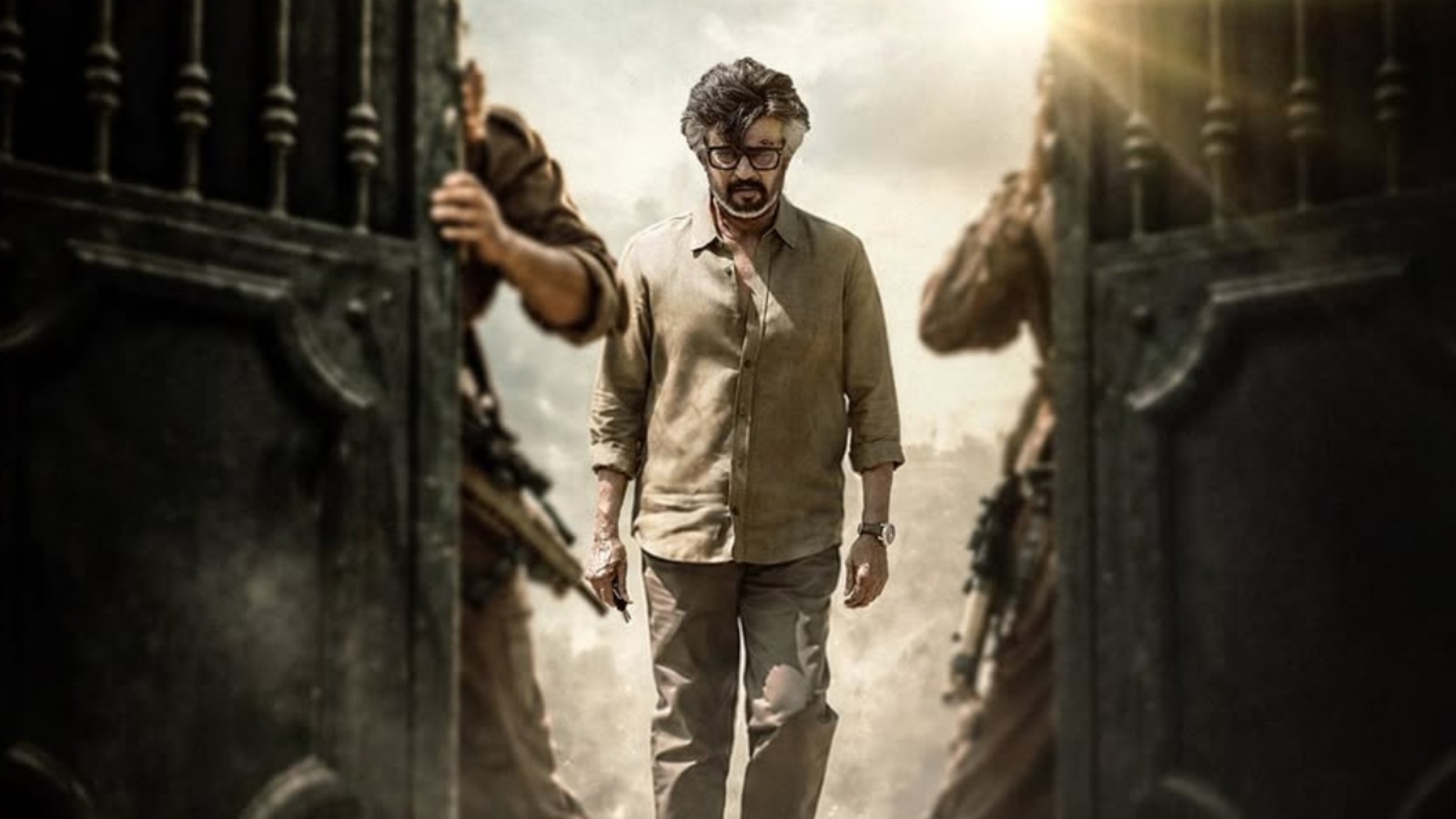
Just like anyone else, I, too, have items on my bucket list. Just like me, I barely make an effort towards achieving those.
I have two items that I always thought I could put a tick mark against, because they were quite easily achievable. Spend a little money and put in a little effort, it could be done. One was to watch a match where Sachin Tendulkar was playing, one in the twilight of his career. Because, more than watch him bat, I wanted to be part of the “Sachiiiin, Sachiiiin” chat. Because all of those ignoramuses who try reeling off his stats have no idea about how he changed cricket itself. That wish cannot be fulfilled. The second was to watch a Rajinikanth movie first day first show in a theatre.
I am not a big Rajini fan. Not at all. Growing up, I was never into hardcore masala movies. A combination of growing up in Kerala and having a lot of my sensibilities shaped by the books I read. I was more impressed by Kamal Hassan as an actor and Mani Rathnam as an auteur who could balance the aesthetic and the commercial. Rajini movies would come, make truckloads of money, not impress me at all, and go. I remember watching Baashsha in college a few days into its theatrical run and being quite entertained, but then I got a job. Rajini and I continued our different trajectories.
In the new millennium, it seemed like Rajinikanth had his heydays behind him. Every two or three years, a movie would come and people would get talking about him. Then the initial buzz would fade and the film would slowly die off. A couple of times the news was Rajinikanth paying the distributors out of his own pocket to compensate for their losses on his film. Then in 2023, I got to watch Jailer on OTT and thought it fun despite the over-the-top violence and the multitude of cameos. Is there going to be a Rajini renaissance? The next two years provided an emphatic no.
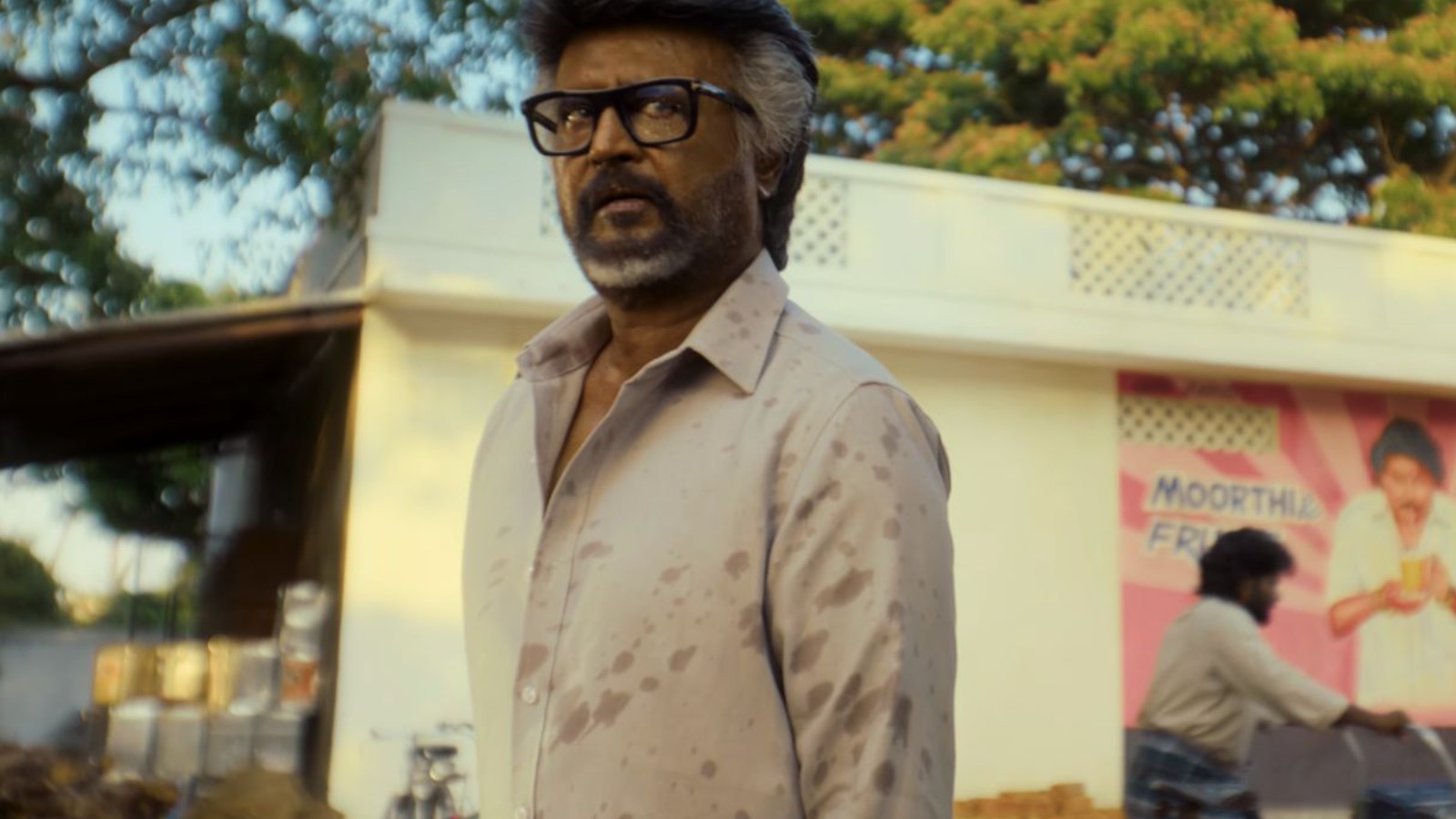
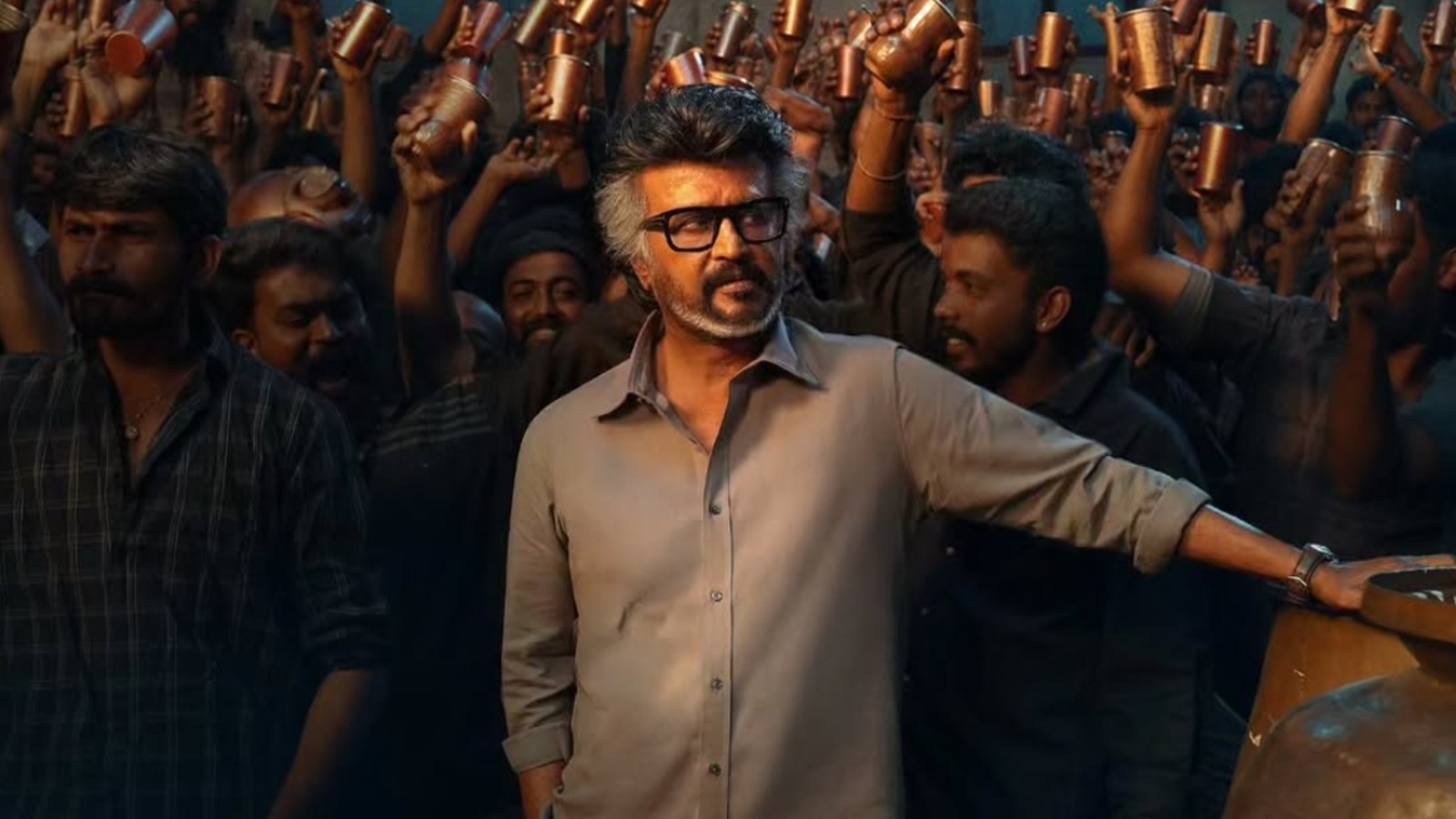 Rajinikanth in Jailer 2
But then, 2026 brought Jailer 2. A series of fortunate events happened. A brother-in-law, who was a long-time Rajini fan, was not in town. The first show was early in the morning and the entrepreneur wife needed to review the movie herself. I convinced my lazy ass to blow the dust off the long-idle bucket list and get to ticking off one of the entries. A ticket price that Christopher Nolan could only salivate about was a dampener, but then I let that go.
A 5:30 am work call was not the best appetizer for the movie, but by 6:30 we were in our seats. It’s now or never.
Jailer 2 starts three months after its predecessor ended. Varman is no more. But the people he worked with want to find out what happened to him. On the other end, retired jailer ‘Tiger’ Muthuvel Pandian is living a quiet life. He works as a supervisor in the local supermarket and spends his free time with his grandson Rithwik. His wife and daughter-in-law have still not gotten over the death of Pandian’s son Arjun, a scrupulously honest police officer. The two strings of the story comes together and stars inter-twining.
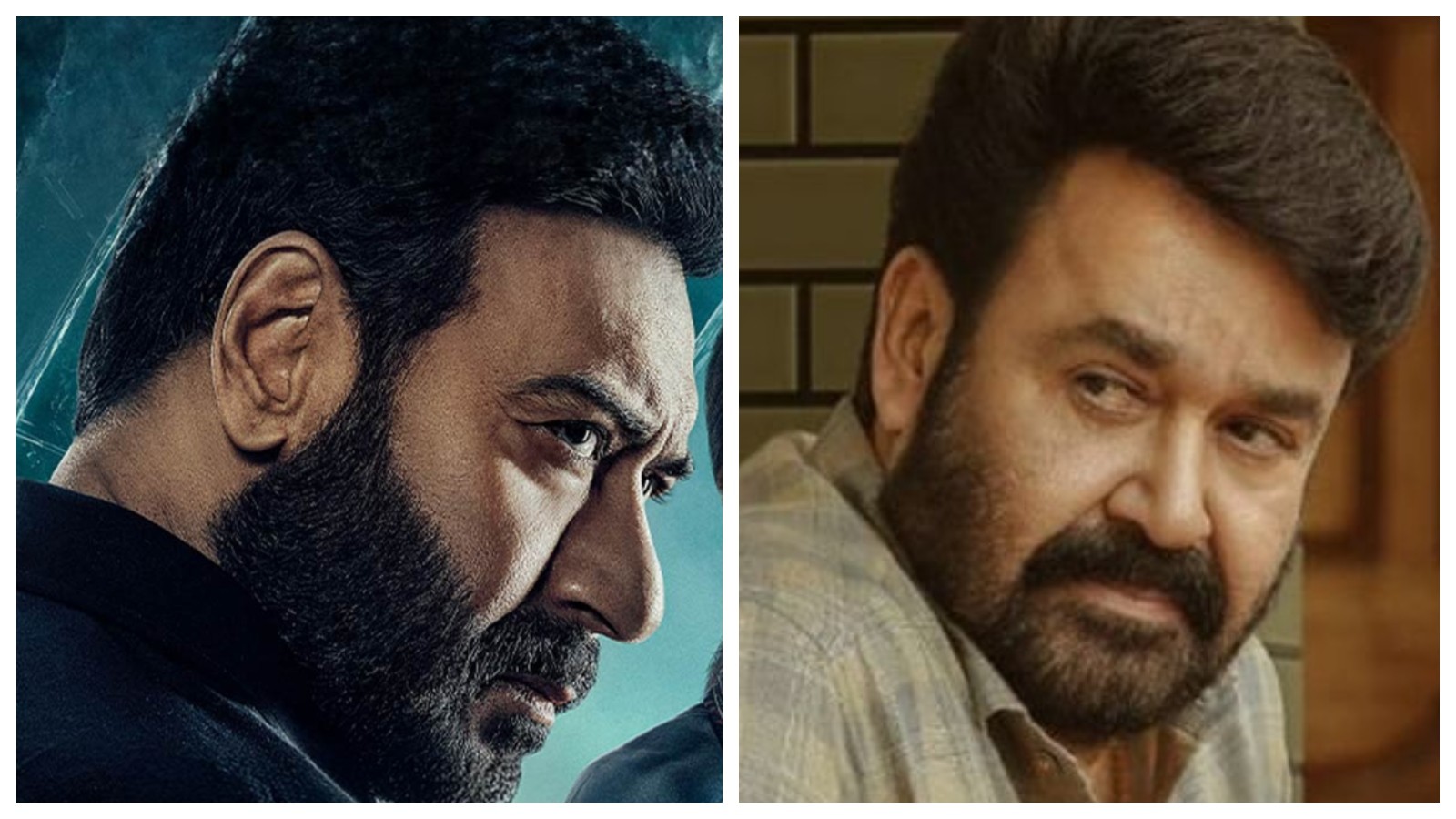
Also read: Jailer 2: Why are Mohanlal fans incensed about the Rajinikanth-led Jailer sequel?
The first half of Jailer 2 is surprising. It lays a foundation to the bonkers second half that you know is coming. However, writer-director Nelson is able to enliven things with comedy. This succeeds to a large extent because of Namo Narayanan. With impeccable timing and some really funny scenarios, Narayanan is able to elevate what was a slapstick role to something much more. His Moorthy is a proper dumbass, and everyone knows it except himself. Through a series of coincidences that is engineered by the ex-Jailer, he finds himself in a pretty powerful position. And then, the penny drops. Yogi Babu’s Vimal could have easily gone the way of the lowest-common-denominator-appeaser that most Tamil movies have. Yet the restraint he shows itself makes for better comedy.
Malayalis are a smug, vainglorious lot. We grew up thinking that Tamil is a weaker version of Malayalam, rather than THE oldest language still spoken on the planet. Every Malayali considers himself a polyglot who can easily understand and speak in Tamil. What we speak is still Malayalam, but with a little ‘aachu’ and ‘pochu’ added here and there and a recurring ‘aama’ very occasionally! Writer-director Nelson must have hated us. But he decided to take revenge in the most creative of ways. For the second successive movie, you have a major villain who is a Malayali, speaking Tamil just like Malayalis would. Are we seeing a new kind of villain emerge in Indian cinema?
After Vinayakan’s unhinged turn in Jailer, we see Suraj Venjaramoodu take it up a notch. Suraj’s Dileep (the most ridiculous of names for a villain) is a much more rounded individual. Suraj has stronger material to work with and he is too good an actor to let that opportunity go. He is, unfortunately, so good that when his bosses come into the picture, you don’t feel that the villainy has escalated.
SJ Suryah does a good job as Bodhi Kalpak, but his character is poorly written and oscillates between calm violence and silly hero worship, never finding a consistent tone. If you are going to get Vidya Balan in your commercial film, you really should get her to do more than just smoke a cigarette, while wearing a sari. Mithun Chakravarthy is just another famous name doing a Jailer cameo. Mohanlal, Shivarajkumar and Jackie Shroff, three of the big cameos from the first movie, come back, but have precious little to do. Hrithik Roshan gets an intro almost like Rajini himself, but is completely forgotten about after that. Hopefully, he gets more to do in Jailer 3.
My biggest peeve from Jailer, that continues in Jailer 2, was Ramya Krishnan’s character. This is Neelambari, you imbeciles, one of Rajini’s most formidable antagonists in his long career. And you make her a wallpaper? When do we see her as a true force? Nelson, come on-ra! You can do better.
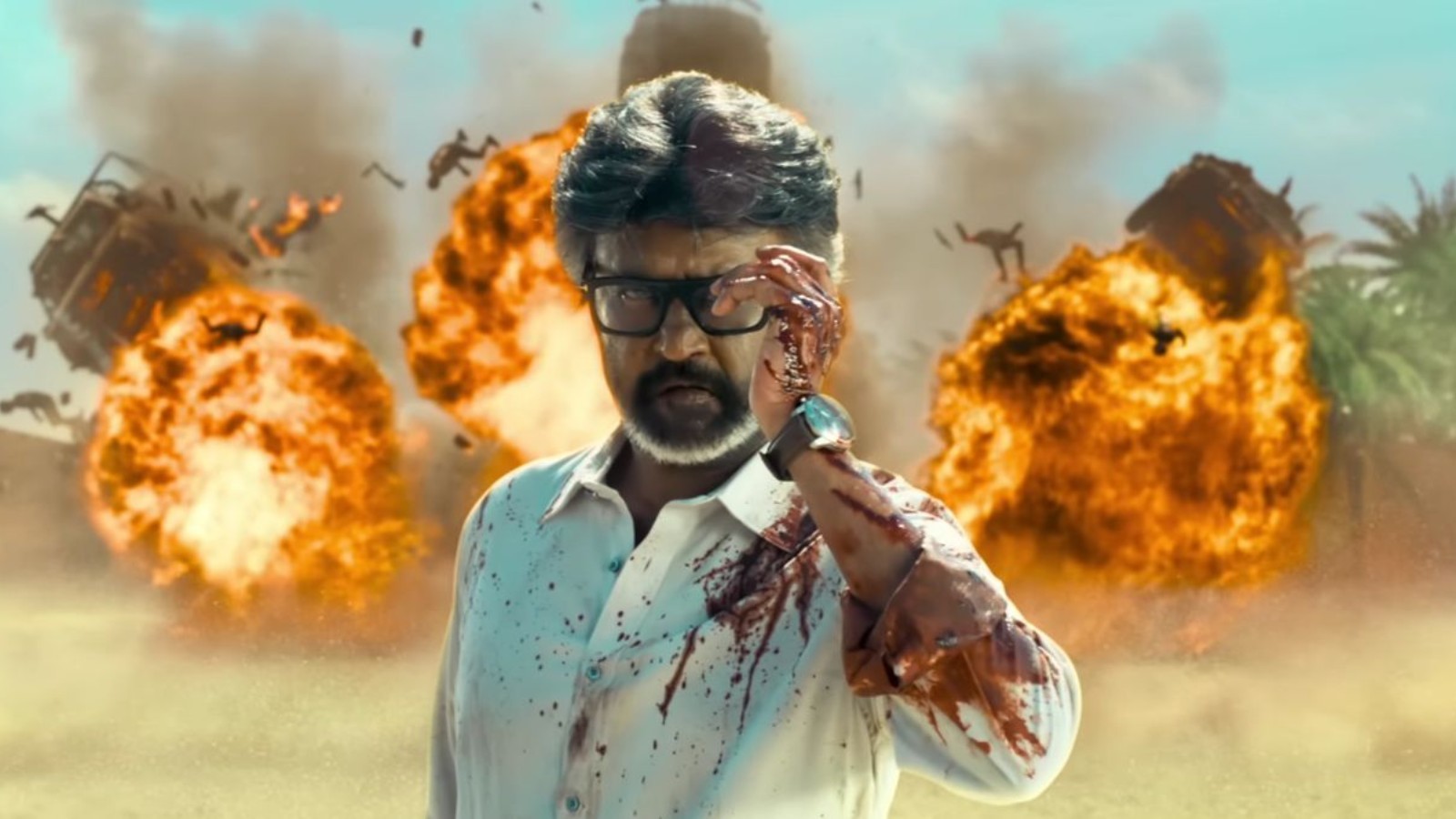 Rajinikanth in Jailer 2
Jailer worked because Nelson was smart. He understood the core Rajini phenomenon, but he was also aware of the need to update the film to modern sensibilities and newer, older audiences. There are a lot of dead bodies, but it is done in light-hearted way that one does not think of the horror of killing someone. Imagine the older movies with a lot of fight sequences where the goons go flying around. Now replace the punches with kills. Sounds supremely callous, but it works.
The septuagenarian hero is naturally frail, so minimise the actual fight sequences that need a bigger suspension of belief. Replace him with a smarter hero who is more of a behind-the-scenes operator. Expand his small family to include more friends and well-wishers and those who owe a debt that can be called in at any point. Now it becomes a team effort, and allows for more cameos.
There is no fourth wall in a Rajini movie. The audience is right there. And they are not separated by a screen. The best example of this was the Hukum song that is a Ballad to Rajinikanth that just makes your hair stand up on its end. Like a true sequel, Jailer 2 builds on these.
Beast is generally considered to be the worst of Nelson’s movies, but it is also the one that got him the Jailer gig. The producers need to see that the director is confident doing the big scenes and dealing with the big egos. But Nelson does bring a bit of his individuality to the screen. In Jailer, it was a staggering decision to make the hero go somewhere he never does. In the sequel, it is how that action arrives with consequences. The latter is not as effective, but brave, nonetheless.
Ultimately, Jailer 2 works because the Jailer and the Rajinikanth psyches are interchangeable. You, the audience, want your money’s worth. But, at the same time, you do not want to go out feeling you got the same old wine in a different bottle. You need your money shots, you need your slow motion, you need your action. But you also need to be surprised. A sequel can only deliver so much in the last section. But Jailer 2 holds it ground. Primarily because it understands that what you really need is your Rajini fix. And it provides that.
There is something unique about the medium of cinema. It is able to bring to its audience something that cannot be easily manufactured or replicated. Something that is not on the screenplay or in the direction. Something that is unique to each performer and each audience member. That is charisma. Rajinikanth isn’t where he is just because he was lucky with the people he worked with and the content he had to work with. To paraphrase a wonderfully tongue-in-cheek dialogue from the movie, people have been trying to take him down for 50 years, but he is still standing. Rajinikanth stands because what he brings to a screen cannot be explained, cannot be bottled, cannot be done by someone else. Rajinikanth was, and still is magic on screen.