Madras was an exciting place to be for a film aspirant in the 80s. The tall giants across multiple South Indian film industries that the city housed were ageing and the new order was taking charge. The time was ripe for hungry, younger talents to leave their imprint. Naturally, cinema started acquiring a new grammar, though it is hard to dispute if it was for the better or worse.
The Telugu, Tamil, Kannada and Malayalam film industries came with a different set of quirks and sensibilities on screen. Behind the camera, however, the phase saw its directors, actors and technicians forge an easy camaraderie. Though the industry was still a cocoon, collaborations among industries were relatively easier because their epicentre was common: Madras.
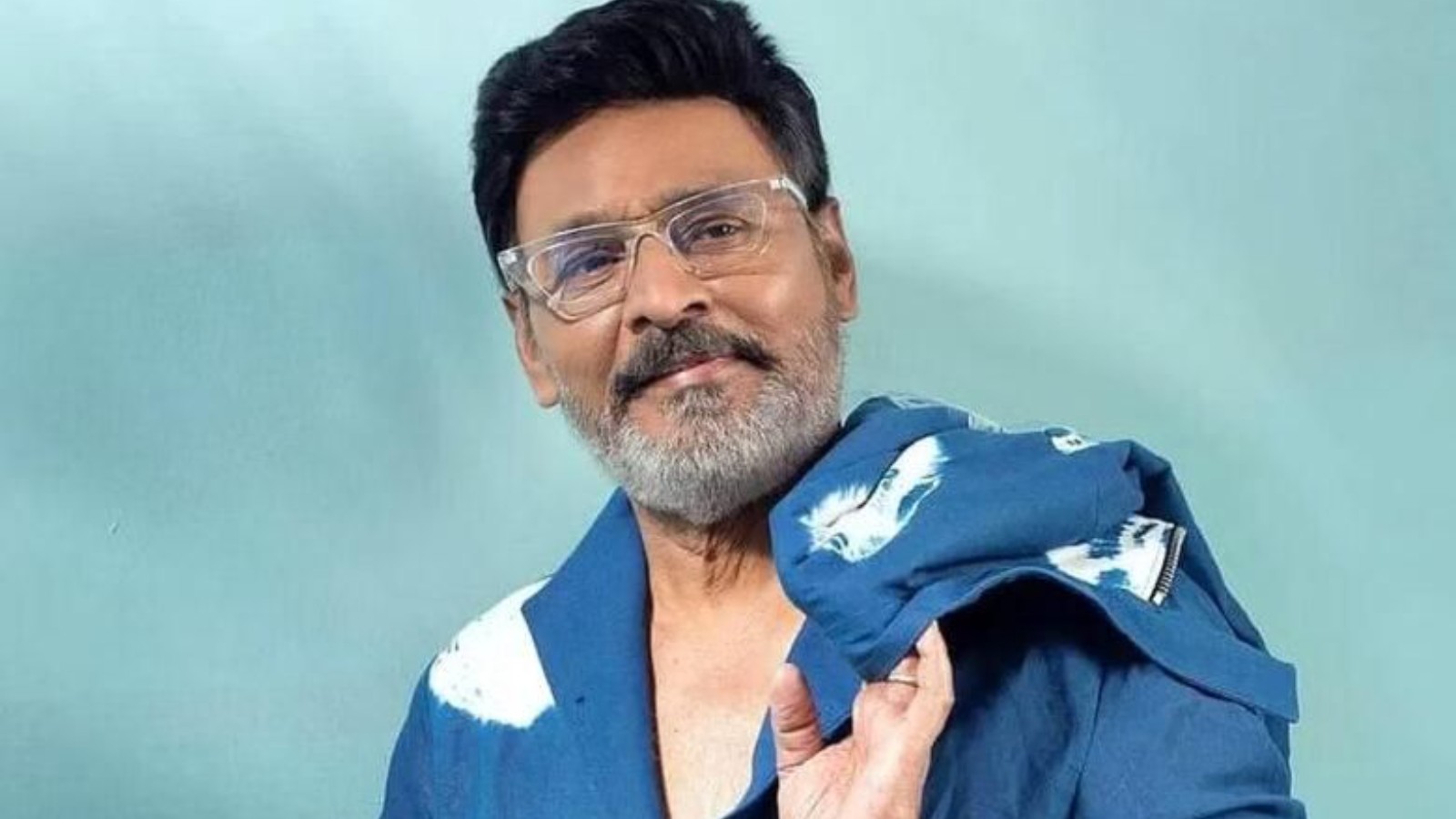
Actor, writer and filmmaker Bhagyaraj, who passed away earlier today at 73, was a true embodiment of this change in the 80s. As someone who forayed into Tamil cinema with directorial ambitions, he was only an accidental actor. His presence brought an unusual liveliness to the mundane in cinema, steering away from melodrama, where his trademark wit drove complex, edgy, delicate stories.
Given how Madras was swept away by the Bhagyaraj wave with hits in Tamil like Mouna Geethangal, Mundhanai Mudichu, Andha 7 Naatkal and Idhu Namma Aalu in the 80s, it was only natural that Telugu cinema too cashed in on his talents at the right moment. While Bhagyaraj never went on to direct a Telugu film in his career, his work had a far-reaching influence in this side of the world.
Some of the early popular films in which Bhagyaraj assisted filmmaker Bharathiraja—16 Vayathinile and Kizhakku Pogum Rail—where he contributed in various capacities, went on to be remade in Telugu as Padaharella Vayasu and Toorpu Velle Railu. Another film he co-wrote for Bharathiraja, Sigappu Rojakkal, was dubbed into Telugu as Erra Gulabilu, a raging success in Andhra Pradesh.
While his 1979 release as an actor-director, Suvarilladha Chiththirangal, became Pedala Brathukulu the following year in Telugu, his true genius came to the fore in Radha Kalyanam, the Chandramohan and Radhika starrer helmed by Bapu, which was inspired by Andha 7 Naatkal. Incidentally, Sanjay Leela Bhansali’s blockbuster romance Hum Dil De Chuke Sanam is based on the same premise.
Meanwhile, Chandramohan continued to be a natural, easy choice to replicate Bhagyaraj’s instinctive performances in Telugu. As actors, their skill sets were similar: playing ordinary, confused men stuck in unusually odd situations. Oru Kai Osai, Mundhanai Mudichu, Mouna Geethangal and Thooral Ninnu Pochu (remade as Pranaya Geetham, Moodu Mullu, Sathyabhama and Pelli Choopulu in Telugu) came alive largely because of Chandramohan’s inherent middle-classness.
Bhagyaraj was still a recognisable face in Telugu cinema, for his films were regularly dubbed and had brief runs in Andhra Pradesh, irrespective of the remakes later. Mundhanai Mudichu, before its remake in Telugu as Moodu Mullu, was dubbed as Vaddante Pelli.
Idhu Namma Aalu, dubbed in Telugu as Nenu Meevaadine in 1988, enjoyed a good run commercially. Mohan Babu chose to remake it again as Adirindi Alludu in 1996, in which he starred alongside Ramya Krishna. Pavunu Pavunuthan, for which Bhagyaraj also composed the music, became Chilipi Sipayi in Telugu.
Oru Kaidhiyin Diary, the 1985 film he contributed to as a writer, directed by Bharathiraja and headlined by Kamal Haasan, was dubbed in Telugu initially as Khaidi Veta and was also remade with Krishnam Raju as Marana Homam. The 80s well and truly brought out Bhagyaraj’s best, where his middle-road cinema was a welcome relief from the pompous, over-the-top mainstream fares.
Though he continued to be a force to reckon with in Tamil in the early 90s, the grammar of a Bhagyaraj film, both as an actor and a writer, was becoming more evident and familiar. Telugu audiences ought to thank his credentials for serving as the inspiration behind Venkatesh’s Sundarakanda (1992), K Raghavendra Rao’s top-notch adaptation of Bhagyaraj’s Sundarakandam.
Several credible Telugu filmmakers—from Bapu to Jandhyala to EVV Satyanarayana and K Raghavendra Rao—have drawn inspiration from Bhagyaraj’s works. Bapu was in fact instrumental in giving a major hit to Anil Kapoor in his early years through Woh Saat Din, the Hindi remake of Bhagyaraj’s Andha 7 Naatkal.
Bhagyaraj went on to act in select Telugu films over the last couple of decades: Mee Intikoste Em Istaaru Maa Intikoste Em Testaaru, Mem Vayasuku Vacham, Sita, 35 and, most recently, Sekhar Kammula’s Tamil-Telugu bilingual, Kuberaa. He was a regular at the 80s reunion parties, where contemporaries of his era gathered together annually, celebrating their friendships.
His book, Vaanga Cinemavai Pesalam, was translated into Telugu as Bhagyaraja Decoded, a much sought-after screenplay manual for aspirant filmmakers and writers. Subconsciously, his works continue to guide modern-day storytellers who wish to master the appeal of mainstream cinema with a middle-class realism.
The Cinema Post offers sincere condolences to Bhagyaraj’s family.