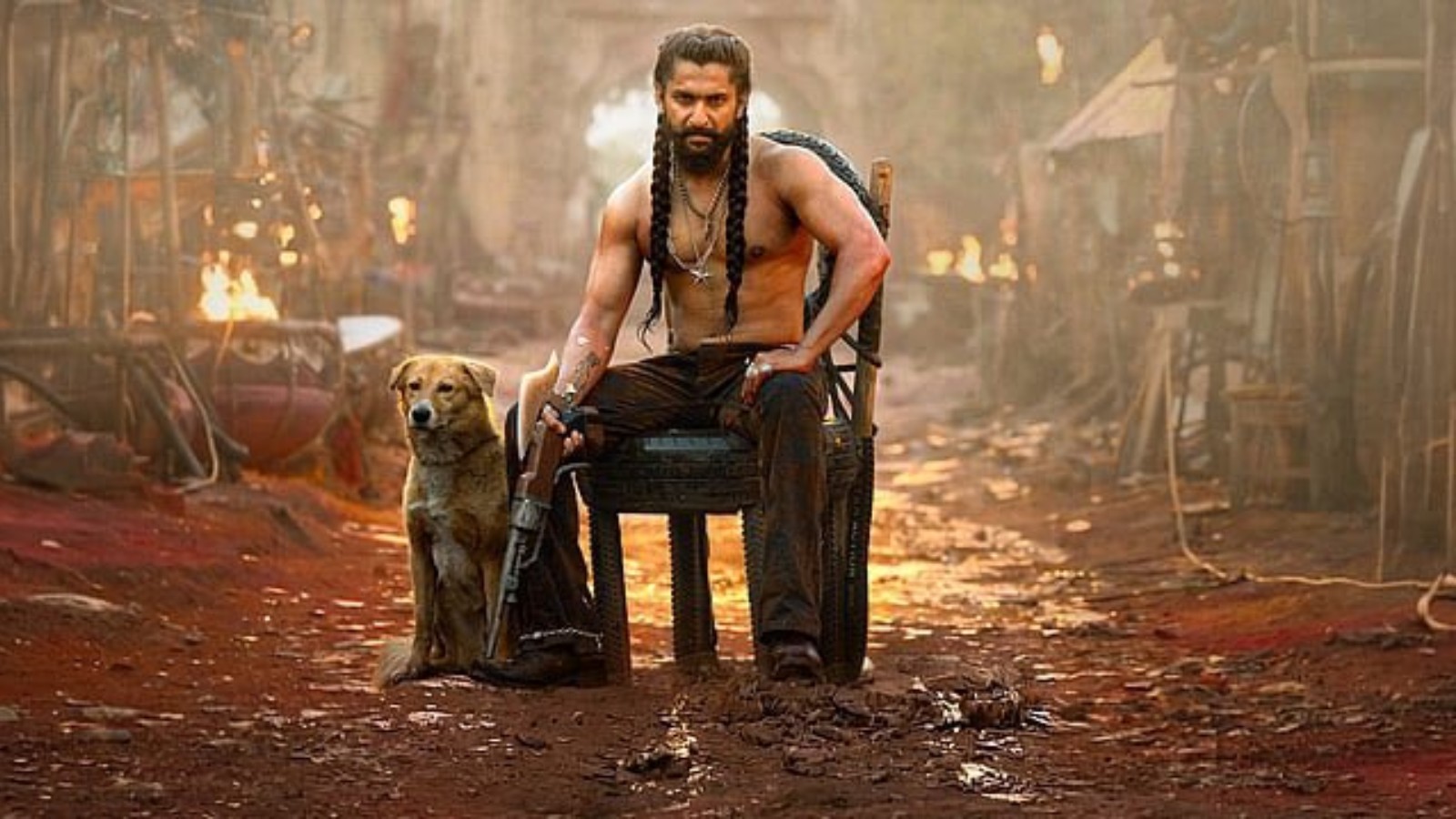
The Paradise Story
Set against the backdrop of a forgotten community known as the Savaari tribe, The Paradise tells the story of people who remain invisible to society despite India gaining independence. Living under the iron rule of the Shikanja Malik (Mohan Babu), the tribe struggles for dignity, recognition, and a place in the world. Amid this oppression emerges Jadal (Nani), a fearless man who refuses to accept the fate imposed on his people. Driven by anger, determination, and a deep sense of responsibility, he challenges the powerful Shikanja Malik and begins a rebellion that could change the future of the Savaari community forever.
The Paradise Review
After the success of Dasara, expectations from Srikanth Odela skyrocketed. With The Paradise, he clearly aims for something bigger, darker, and more ambitious. The scale is larger, the budget is massive, and the visual presentation screams grandeur. Unfortunately, beneath all that style lies a film that struggles to justify its own existence.
Odela spends so much time creating a world that he forgets to create characters worth caring about. The Savaari tribe, the oppression, the politics, and the rebellion are all ingredients for a powerful drama. Yet none of them land emotionally. The film constantly tells the audience that something important is happening but rarely makes them feel it.
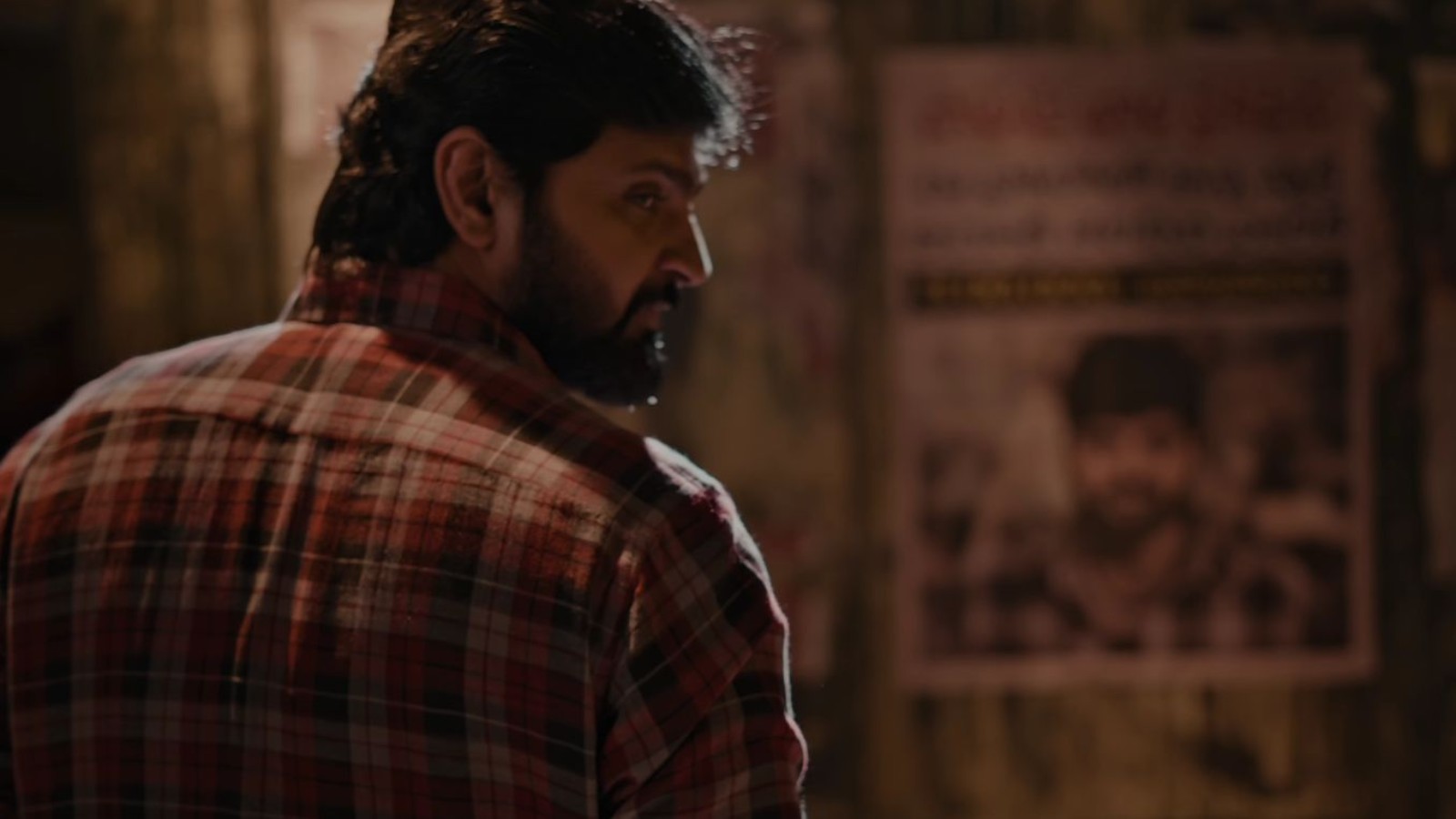
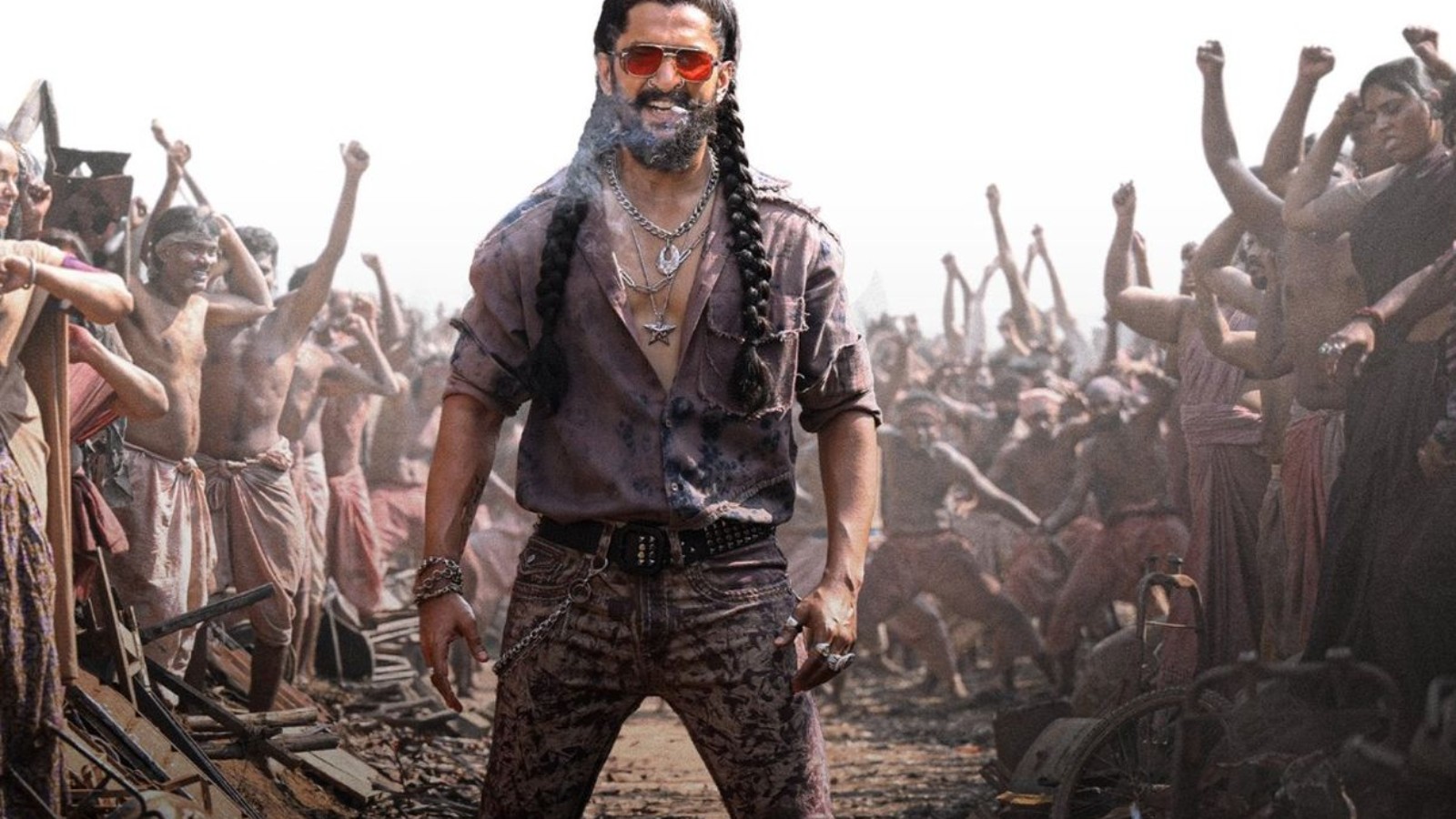 Nani in The Paradise
The biggest issue with The Paradise is that it mistakes noise for impact. Every major scene is designed to feel monumental. Characters shout, crowds gather, blood flows, and the background score explodes at full volume. But the emotional foundation needed to support these moments is missing. As a result, scene after scene collapses under its own weight.
The chapter-based storytelling also feels forced. Instead of enhancing the narrative, it breaks the flow repeatedly. There is hardly any seamless connection between one chapter and the next, making the film feel like a collection of disconnected episodes rather than a cohesive story. After a point, viewers may wonder why the chapter format exists at all.
Srikanth Odela appears heavily influenced by the recent trend of large-scale action dramas. The dark visual palette, slow-motion hero elevations, stylized violence, and political undertones feel borrowed rather than organically developed. The film desperately wants to look epic, but epic filmmaking requires strong storytelling, not just impressive imagery.
The first half at least maintains some curiosity. The conflict between Jadal and Malik is established reasonably well, and the interval block offers a brief glimpse of the film audiences were expecting. Unfortunately, everything falls apart after that. The second half becomes an exhausting marathon of repetitive action sequences, underdeveloped emotions, and narrative confusion.
Important moments arrive and disappear without impact. Emotional scenes are staged with great seriousness but generate little response because the writing never earns them. Nani deserves appreciation for his commitment. The transformation is remarkable, and he completely alters his appearance, body language, and screen image for the role.
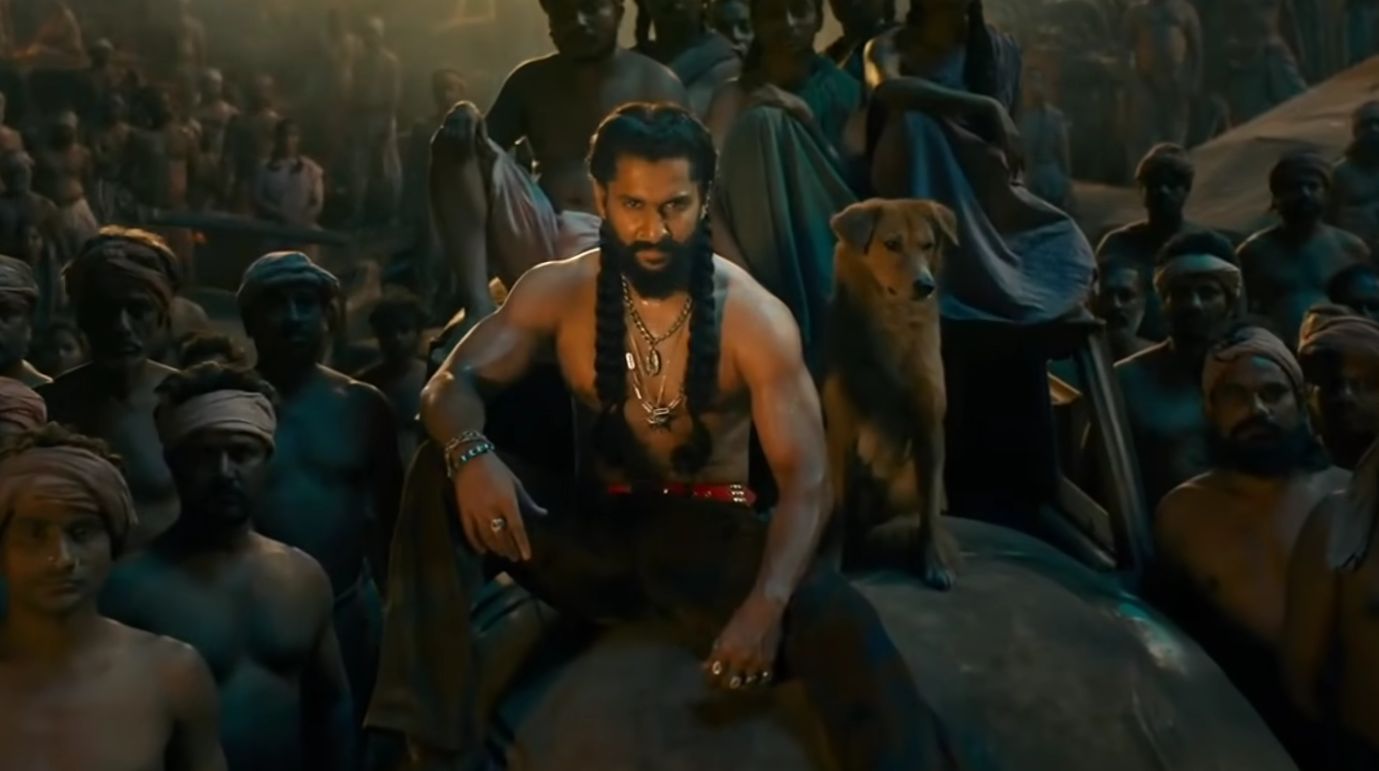 Nani in The Paradise
However, a makeover alone cannot carry a film. Jadal is written as a symbol rather than a person. Apart from rage and rebellion, the character has very few layers. Even an actor of Nani's caliber struggles because the screenplay gives him almost no opportunity to deliver a truly memorable emotional moment.
Mohan Babu enters the film with authority and initially appears to be a formidable antagonist. Yet the screenplay gradually reduces his importance, wasting a character that had enormous potential. Raghav Juyal brings energy and intensity whenever he appears, while Kayadu Lohar gets a different role than usual but remains underutilized. Several supporting actors come and go without leaving any lasting impression.
For the first time, Anirudh's work is hugely disappointing. The songs are good, but his background score takes a beating. The production values are top-notch, and the Telangana movement is so dam foolishly shown. The production design, costumes, and artwork are amazing. The editing is tiring, and the screenplay goes for a toss. There is hardly any scene where Nani the actor gets a chance to showcase his talent.
By the end, The Paradise feels like a film obsessed with appearing powerful rather than being powerful. It has scale, ambition, violence, and technical polish, but very little emotional depth. Srikanth Odela reaches for greatness but loses control of the narrative in the process. What should have been a gripping and emotional epic ends up as an overlong, exhausting experience that tests the audience's patience more than it rewards it.
The Paradise Verdict:
On the whole, despite Nani's sincere effort and a few visually striking moments, The Paradise is weighed down by weak writing, hollow emotions, and an unfocused second half. A film designed to leave a lasting impact ultimately leaves viewers with sheer disappointment. The film has several troll moments and is a massive wasted opportunity that Nani will find hard to digest.