Gandhari Story
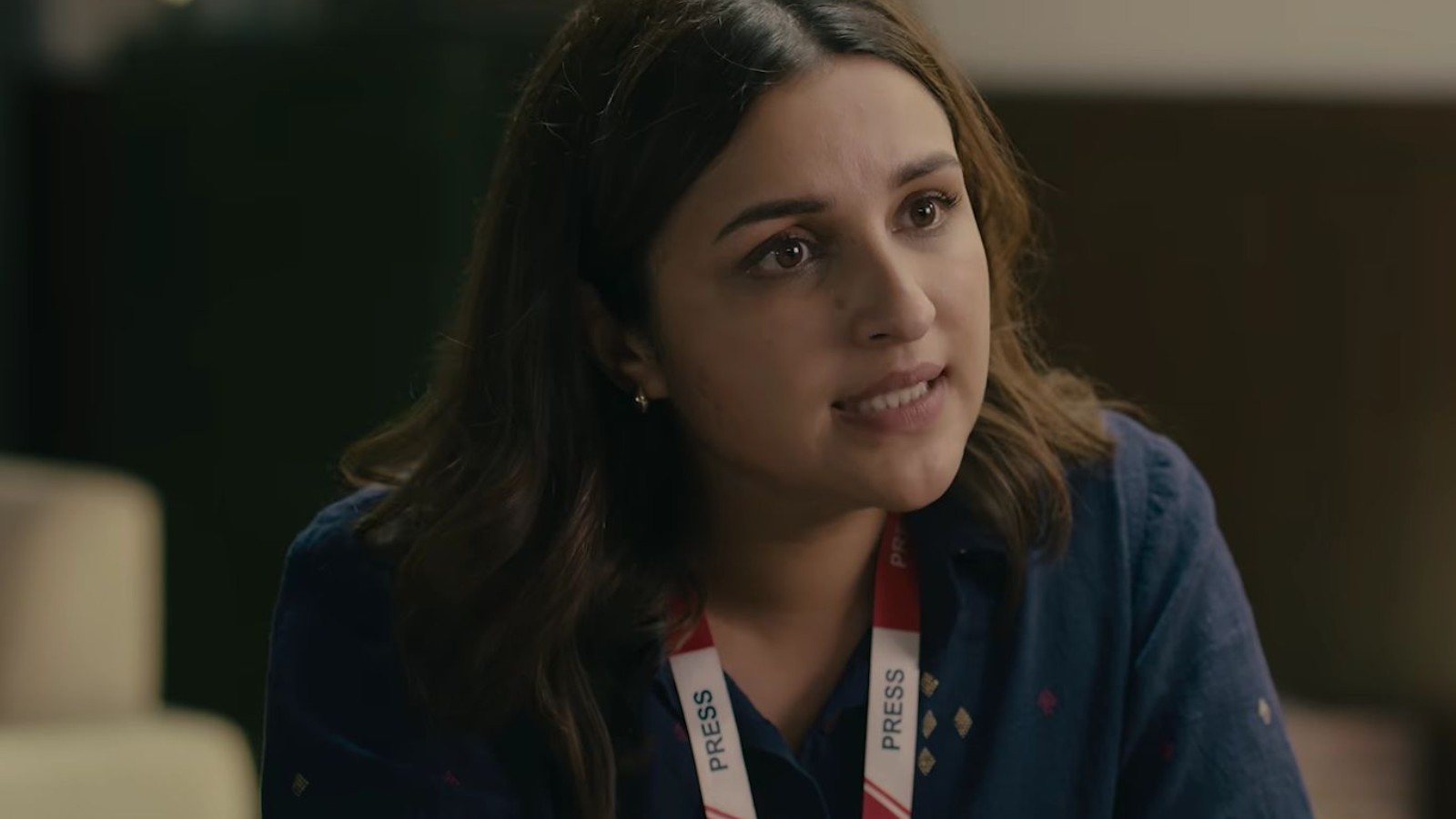
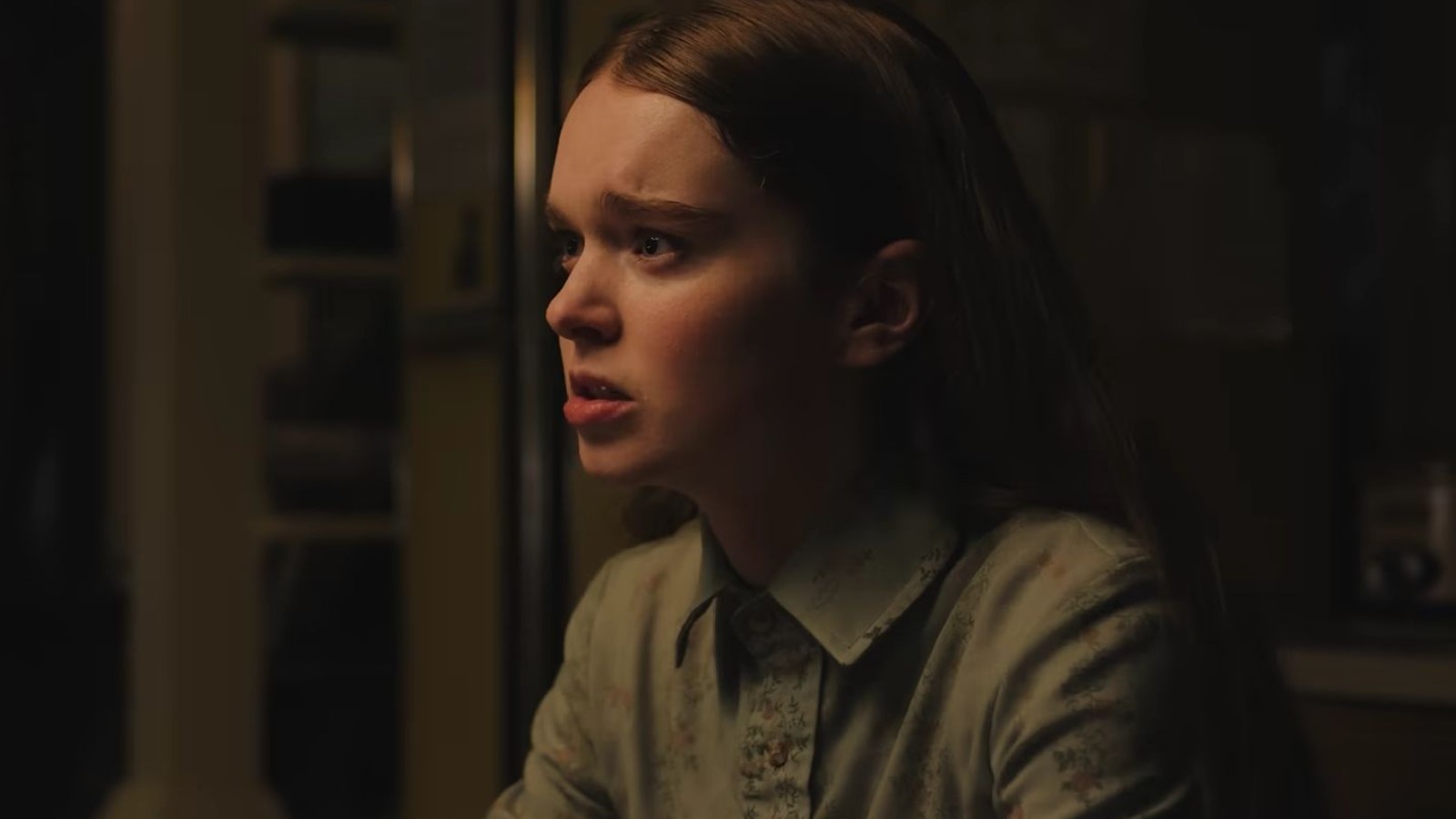
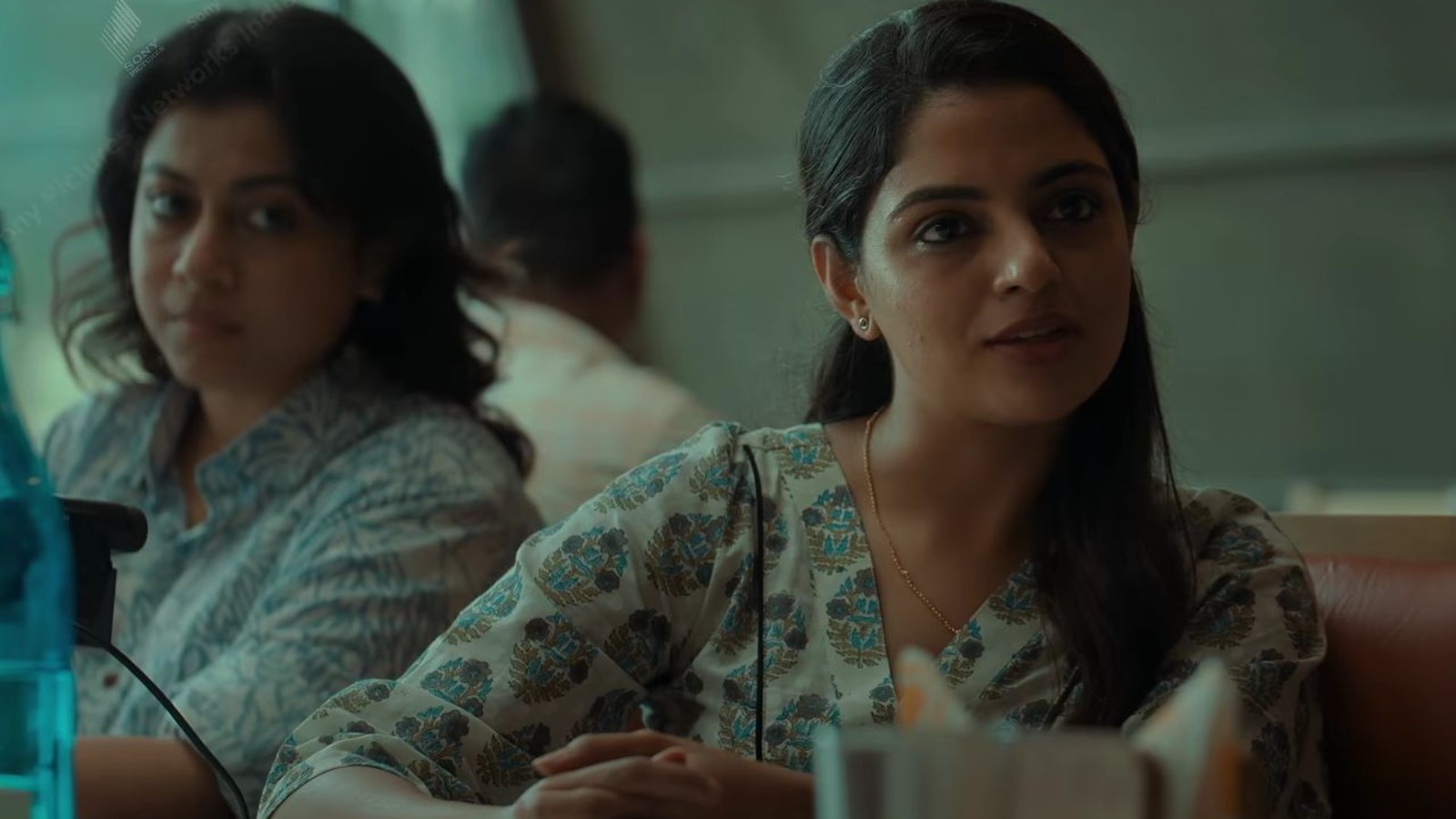
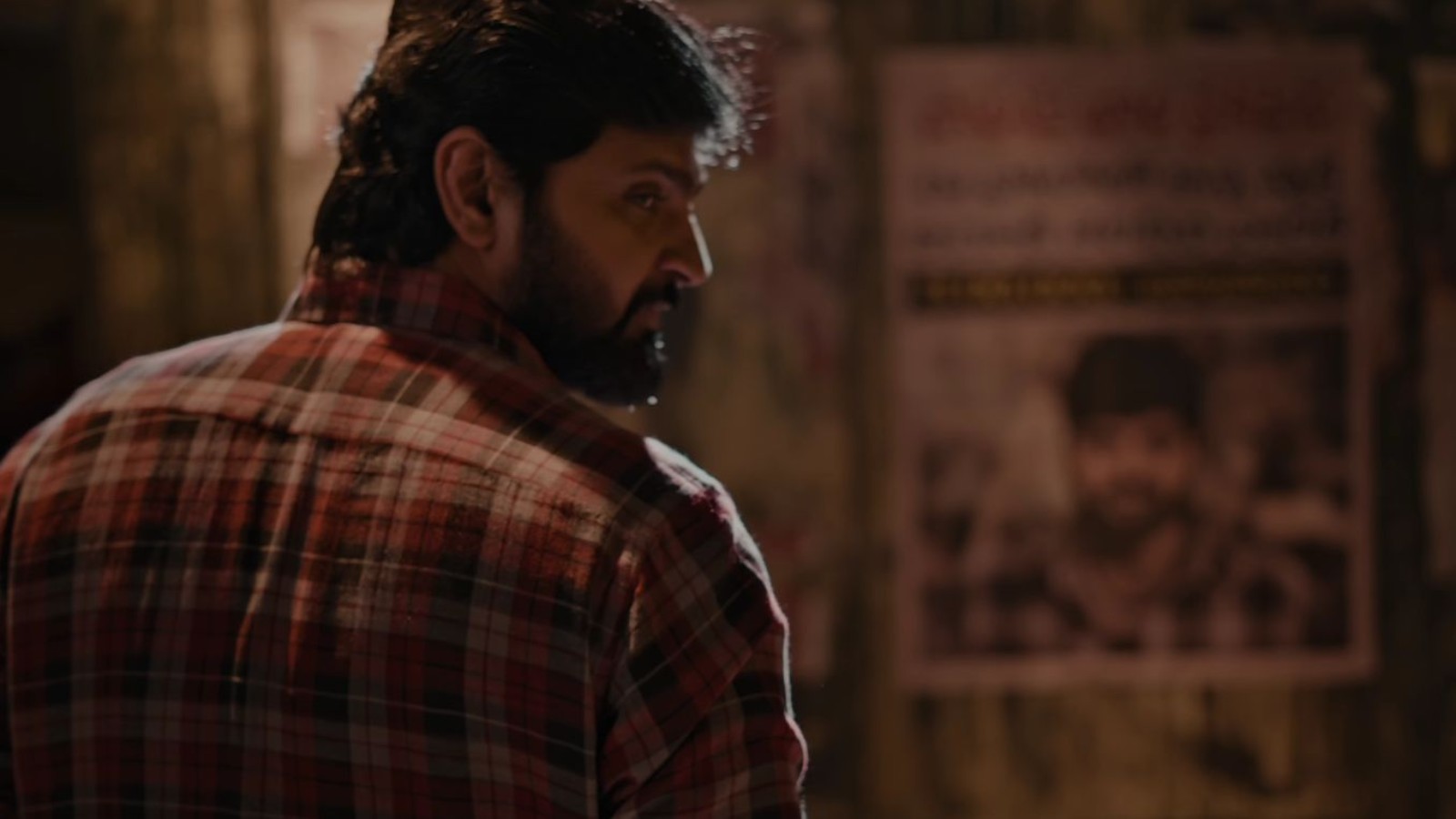
Helpless parents Bani (Taapsee Pannu) and Gokul (Ishwak Singh) embark on a frantic search when their five-year-old daughter, Mishti is kidnapped, in their presence. While chasing the culprits, Bani gets injured and loses her vision. When the law fails to pay heed to their pleas, she resolves to trace her child’s whereabouts with the help of apparently kind townsmen in fictional Joypurra, West Bengal, who are a lot more than what they appear to be. As she gets closer to the myth surrounding a sex-trafficking racket named Black Hole and its kingpin, Bani learns that she has been oblivious to those who know her and those whom she believes, she knows.
Gandhari Review
‘Manmarziyaan’ and the ‘Haseen Dillruba’ duology have marked a formidable combination between Taapsee Pannu and writer-creator Kanika Dhillon. But has their teaming up necessarily translated into compelling story-telling remains a subject of debate. While the former Anurag Kashyap directorial remains Pannu’s most fleshed out portrayal of the modern Indian woman, the polarising views around the latter franchise haven’t been particularly encouraging due to its problematic themes.
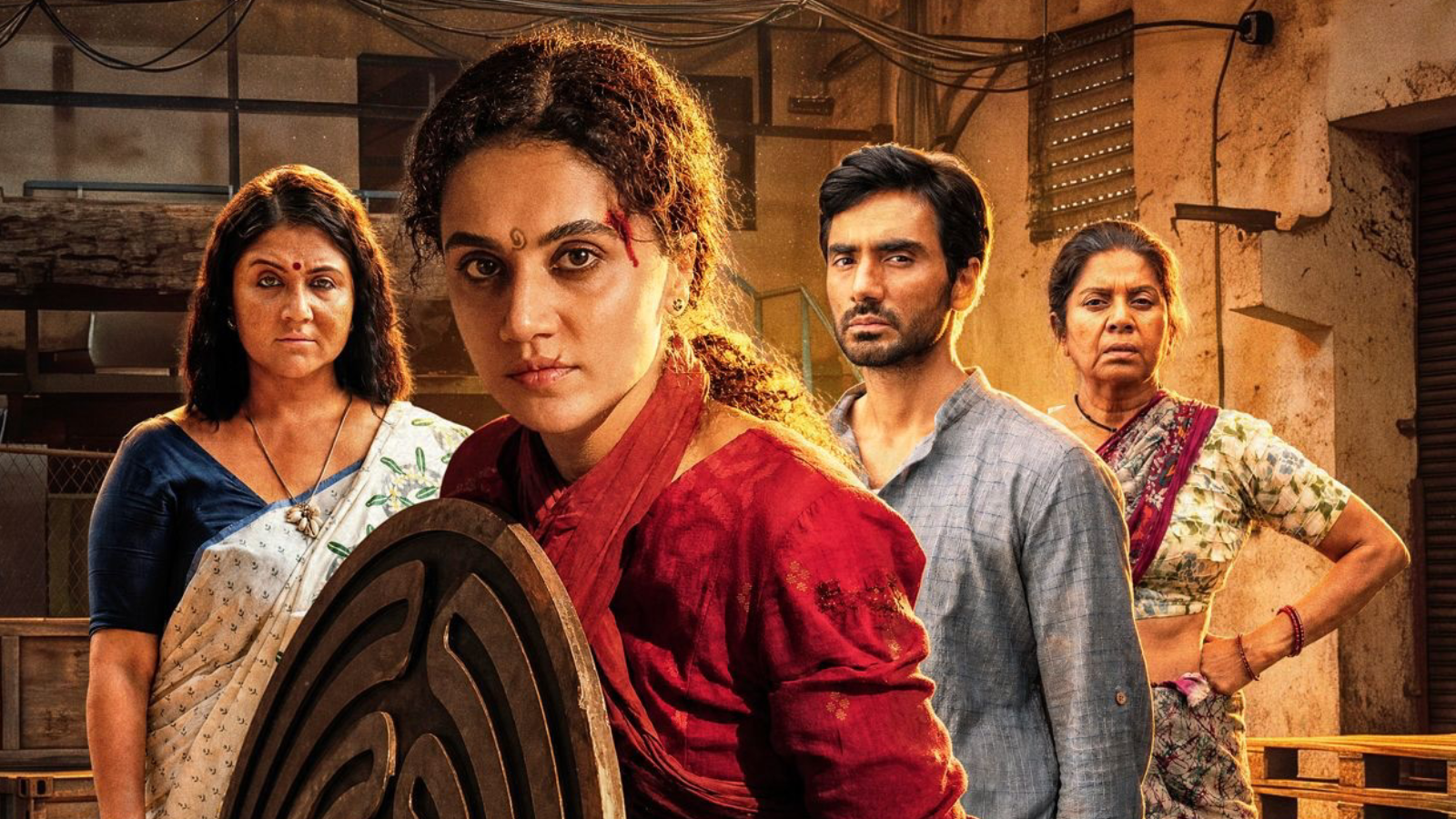 Tapsee Pannu leads Gandhari, which is now streaming on Netflix
The duo team up once again for ‘Gandhari’, a crime thriller that dives deep into the menace of child abduction and trafficking. Written by Dhillon and directed by Devashish Makhija of ‘Ajji’, ‘Bhonsle’ and ‘Joram’ fame, the story also draws inspiration from elements of mythology and folklore to give us a vigilante drama that seems well-intentioned on paper, but is implausible in its execution.
Despite a running length of a mere 116 minutes, the screenplay invests a lot of time in introducing new characters into the mix, but never fleshes out their arcs or quirks. That’s largely due to a sizeable screentime being accorded to Taapsee, who seizes the opportunity to put her agile physique to good use in commendable combat sequences. But her one-toned performance, something which cinephiles have been debating over in recent years, does little to salvage a storyline that eventually loses its grip, despite her unmistakeable sincerity.
While the arresting background score by Shor Police featuring Clinton Cerejo and Bianca Gomes is worth mentioning, it does not elevate the proceedings in the same manner as was witnessed in Sujoy Ghosh’s ‘Kahaani’, which released over a decade ago. Another comparison that might be drawn out between the two films is the world-building. While ‘Kahaani’ offered us a lived-in experience of Kolkata centred around the festivities of Durga Puja, ‘Gandhari´ is unable to engage us with the happenings around Joypurra, despite its scenic mysticism surrounding a goddess named Chaumukhi who slayed the demon Magrasur and rescued children from the netherworld.
Several sub-plots are left untied as supporting characters are barely given any resolution. Jatin Sarna plays senior cop Kabir, who wants to bust the racket in Joypurra, but he’s never seen getting into the thick of things, making him unintentionally incompetent. Crucial reveals around Ishwak’s Gokul, Swastika Mukherjee’s Churni or Chhaya Kadam’s Uma aren’t particularly engaging because they carry a massive seen-that-before quality. Mita Vashishth’s Jhunu Amba who serves as a guiding force to Bani’s resolve and deploys her former street performing skills to enable her, is laughably under-written. Even more baffling is how Prashant Narayanan’s Dada isn’t particularly menacing as the ‘Murder 2’ hangover is obvious.
The plot is entirely in service of its leading heroine, which pretty much defeats the purpose, as is the case with several titles, headlined by male stars. Bani even gets a mahishasur vadh moment for symbolism, but the climactic confrontation building up to said moment, is so poorly staged, you couldn’t care more.
Gandhari verdict
‘Gandhari’ is an opportunity terribly wasted for all talents involved as each one boasts an enviable repertoire. Inconsistency is the operative word that towers above everything else. From the screenplay to Bani’s accent, from Gokul’s browning to Joypurra’s aesthetics, any semblance of redemption is simply put, nowhere in sight.