DC movie plot:
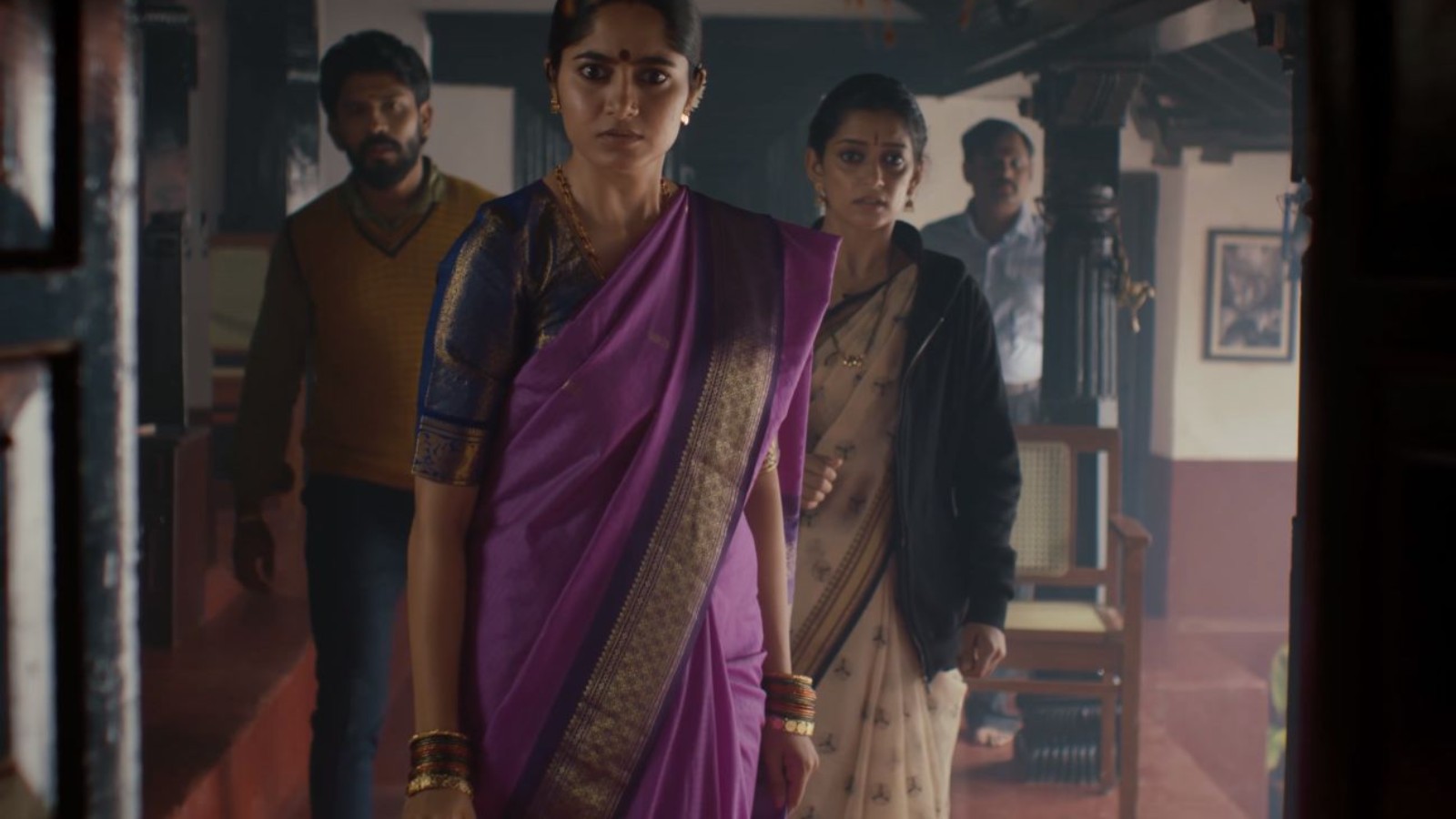
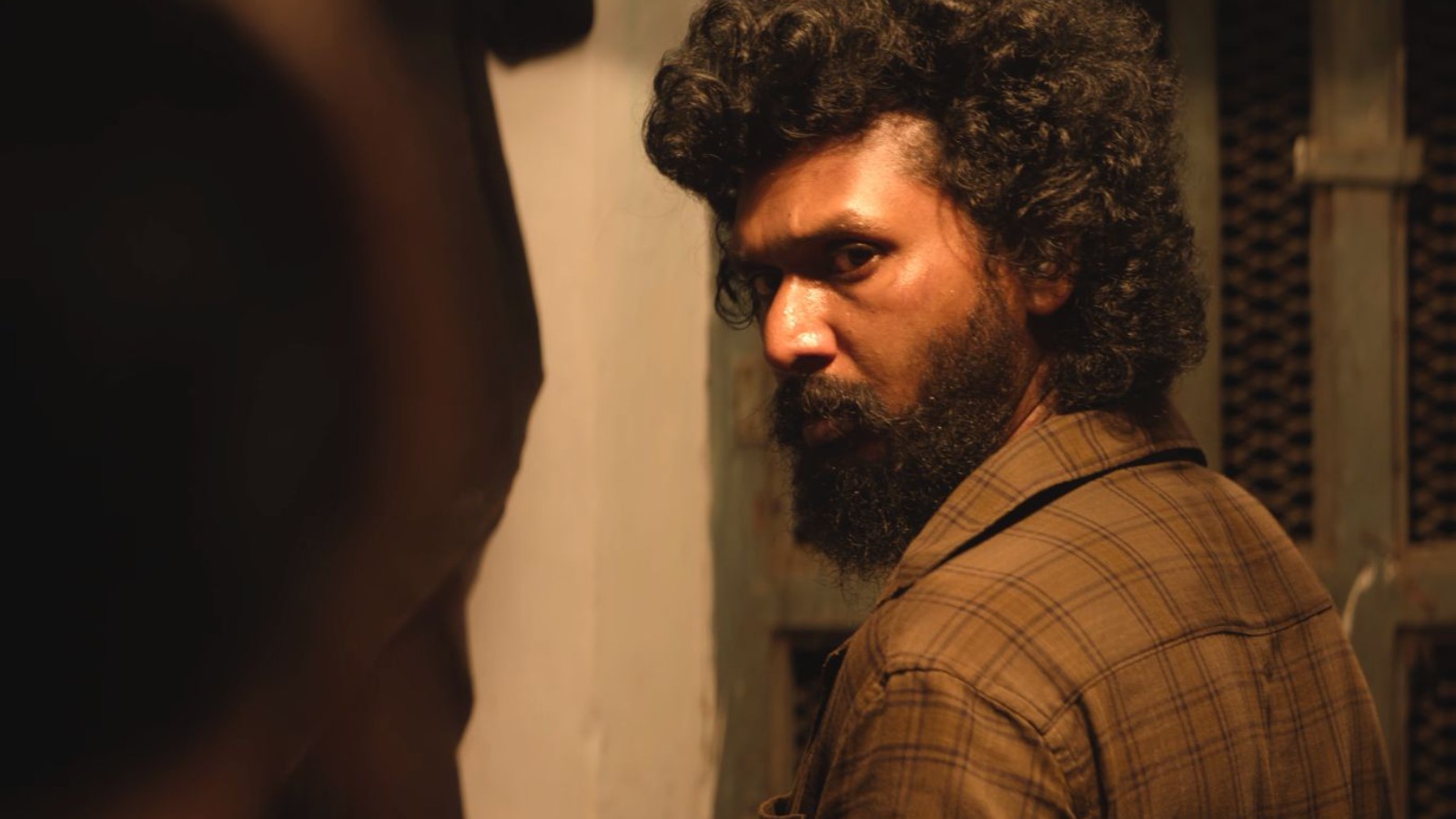
Das (Lokesh Kanagaraj) is part of a group being hunted by the police for armed robbery and several other crimes. While Das’ emotional past binds him to the women he encounters, including singer Parvathy (Sanjana K) and Chandra (Wamiqa Gabbi), who was sold to a brothel as a teenager, DC offers a gritty take on vigilantism and familial bonds that refuse to let go.
DC movie review:
Even though director Arun Matheswaran is only three films into his career, he has already established a distinct aesthetic footprint through films such as Captain Miller, Saani Kaayidham and Rocky. A Matador van, landscapes that function more like characters, and bloodshed rooted in pain and revenge have become familiar elements of his filmmaking. There is all of that in DC, his fourth film, which was believed to be a take on the Devadas-Parvathy-Chandra triangle. For a while, and in some crucial portions, it is indeed that. But at its core, DC is more interested in fathers and the complicated ways familial bonds shape us.
There is the father who refuses to speak to his son after his wife’s death, the one who goes to great lengths to provide his son with an education, and another who will go to any extent to seek help for what happened to his son. There are likely many more examples that will emerge through multiple viewings of DC. But at heart, despite the gore, bloodbath, guns, knives and even a rose, DC becomes a story about familial bonds told in a bold, stylistic and bloody manner. That becomes one of the film’s most interesting aspects. The placement of “Uravugal Thodarkadhai” from the 1978 film Aval Appadithaan further reiterates this emotional core.
What makes DC work holistically is how the film never gives up the sensibilities Arun Matheswaran is known for while shaping Lokesh Kanagaraj into a protagonist who feels tailor-made for this world. We get a shot of a cat on a roof, a barren landscape seemingly bereft of attention, and a Matador van that serves a purpose beyond transportation. But behind these stylistic choices, DC remains emotionally rooted in the lives of vulnerable people.
There is a man who lost his mother to a familial dispute as a teenager, and a woman who was sold to a brothel by her own blood. Even with Parvathy, Das and Chandra in the mix, DC borrows just enough from the famous tragedy without becoming entirely dependent on it. Instead, the film uses that framework to make its own point: family is sometimes all that we have, but it is also okay to keep certain people at bay while finding and choosing new ones along the way.
There is little reason to crib about the violence and blood splattered across DC, and there is plenty of it, because Arun Matheswaran uses violence as a language through which the story unfolds. It is not bloodshed for visual gimmickry. Instead, the brutality adds another layer to these characters and their emotional histories. The action becomes an extension of their pain, rather than simply an aesthetic exercise.
Lokesh Kanagaraj, in his acting debut, feels just right for the role. His performance does not demand excessive emotiveness, and the restraint works in the character’s favour. Wamiqa Gabbi and Sanjana K stand tall in their respective roles, giving the women in the story the emotional weight required of them.
But a major share of DC belongs to Anirudh Ravichander, whose background score towers over the film’s technical aspects and, for the most part, forms its strongest foundation. DC is a loud film, by all means. The visuals are heavy, the characters even more so, while the music and sound design operate at an equally heightened pitch. And yet, Anirudh makes all of it work beautifully.
The multiple themes, some incorporating Carnatic vocals, give DC an emotional richness that elevates the film beyond its violence and visual style. The score does not merely accompany the action; it becomes an integral part of the storytelling, particularly when the film shifts between its brutality and the vulnerability of its characters.
DC movie verdict:
DC is a film that embraces blood, violence and stylistic excess but remains surprisingly tender at its core. Arun Matheswaran shows his ability to turn violence into a cinematic language, while Lokesh Kanagaraj finds a role that suits his screen presence in his acting debut. Wamiqa Gabbi and Sanjana K bring emotional weight to the narrative, but it is Anirudh Ravichander’s music that provides the film with its most powerful connective tissue.
What ultimately makes DC work is the way its music, performances, direction and action are packaged into one cohesive cinematic experience. It is loud, bloody and visually imposing, but beneath all that is a film concerned with fathers, loss, belonging and the families we inherit and the ones we choose for ourselves. The distinctive filmmaking, music and performances ensure that DC remains as emotionally resonant as it is stylistically striking.