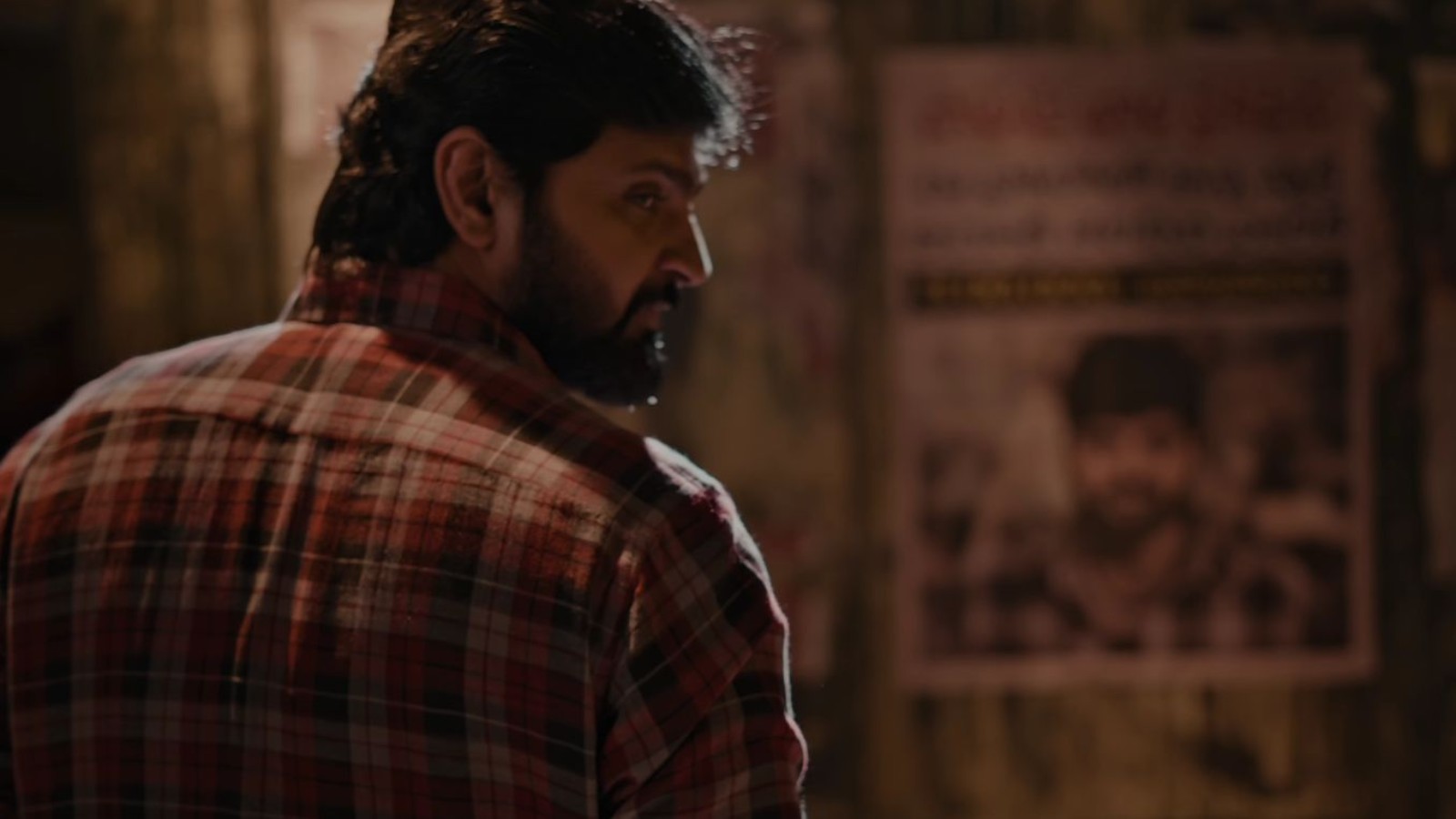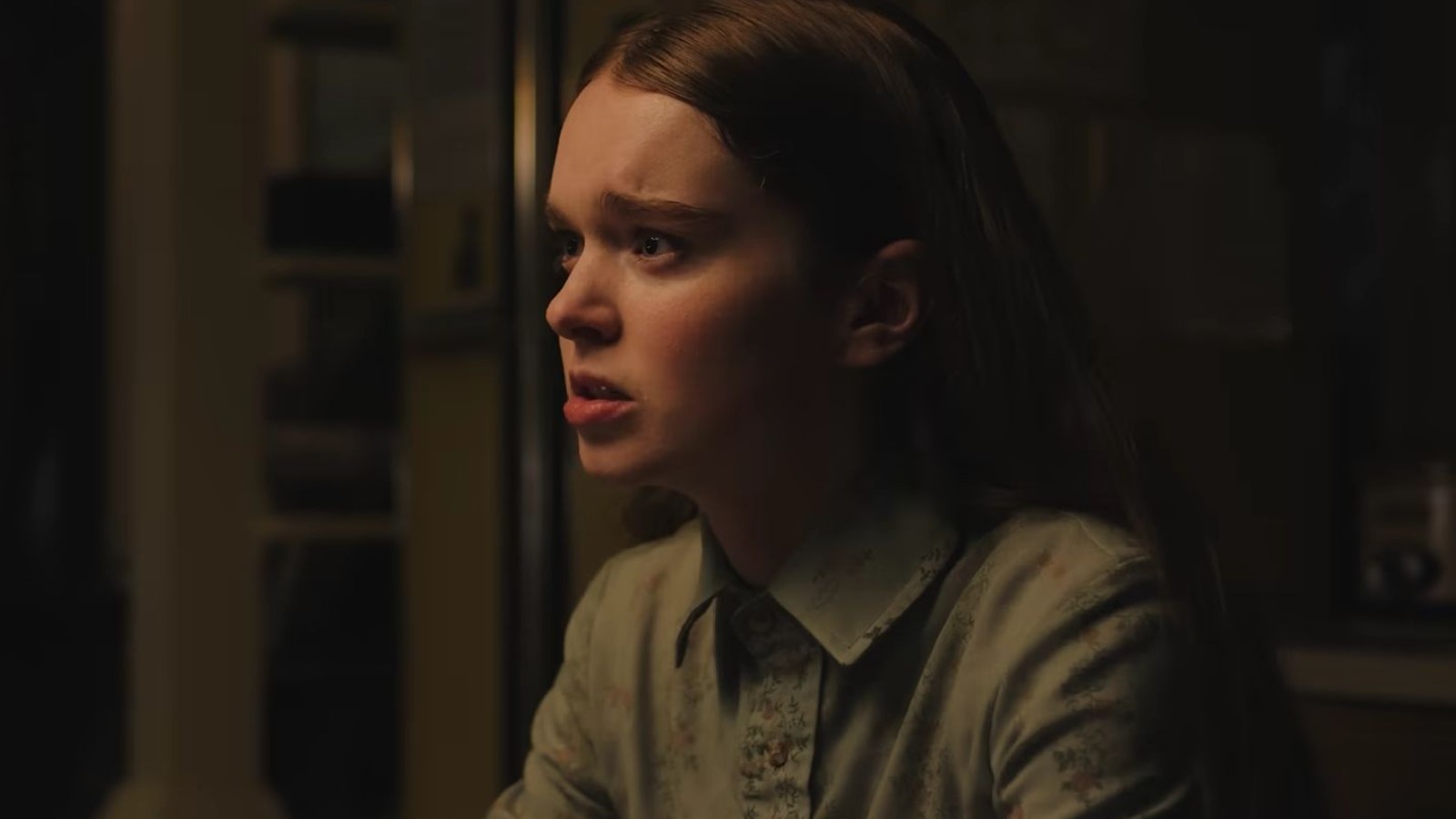
Carrie Series Plot
Carrietta White, aka Carrie (Summer H. Howell), is a homeschooled teenager raised in a radically religious household by her mother, Margaret White (Samantha Sloyan). Following the accidental death of her father, Rafael White, Carrie begins to experience life beyond the confines of her home when she enrols at Ewen High School. But as she begins to enjoy the little moments of joy that adolescence has to offer, her school life turns increasingly tormenting, thanks to Chris (Alison Thornton), the school’s queen bee and bully. The relentless cruelty eventually culminates in a massacre on prom night.
Carrie Series Review
Mike Flanagan’s idea of horror is interestingly tied to real-world anxieties. If Midnight Mass explored the horrors that religious belief can unleash, The Fall of the House of Usher examined how sickness, health and mortality can contribute to fear. The Haunting of Bly Manor, meanwhile, dealt with memories and identity. Horror in its conventional forms, jump scares, paranormal powers and premonitions, is often merely a means for Flanagan to tell stories about the terrors of the world we inhabit. This is what makes the filmmaker’s fierce loyalty to the genre stand out, and that commitment continues with Carrie. In yet another adaptation of a Stephen King work, Mike Flanagan makes a compelling case for examining teenage bullying and the dangers of repressed anger through an impressively realised, often devastating portrait of Carrie.
Though the series closely follows Carrie’s life in the aftermath of her father’s death, when her mother is forced to go out to work and enrols her at the local Ewen High School, it also takes a few detours to show women in other parts of the world exercising a certain kind of power. In one instance, we are told how the world loves to see a woman fall. The series gives us a literal image of this idea, but beneath it lies a more troubling observation about how women are conditioned to endure humiliation, even as their anger and agency are scrutinised. What makes this particularly effective is how the series builds on Carrie’s kindness and empathy, only to push her towards a point where she gives in to carnage.
It begins at home, with her radically conservative mother, Margaret, who refuses to bill items such as condoms and sugary cereal, at the grocery store she works. Whenever Carrie attempts to enjoy the little things in life, be it reading a book or simply spending time with a friend, Margaret’s preferred method of punishment is to make her kneel and pray for hours in a locked room beneath the stairs. Her religious convictions become a means of controlling her daughter, with faith weaponised to suppress the very feelings and desires that make Carrie human. And yet, beneath all the emotional and religious abuse Margaret inflicts on her, the series also allows for moments of tenderness: hugs, reassurances and affirmations shared between mother and daughter. These moments complicate their relationship, making it harder to dismiss Margaret as a straightforward monster. But is affection enough when Carrie is pushed to her limits, over and over again? Mike Flanagan makes a remarkably effective emotional play out of this contradiction, with the principal trigger for Carrie’s eventual breaking point coming from her school bully, Chris.
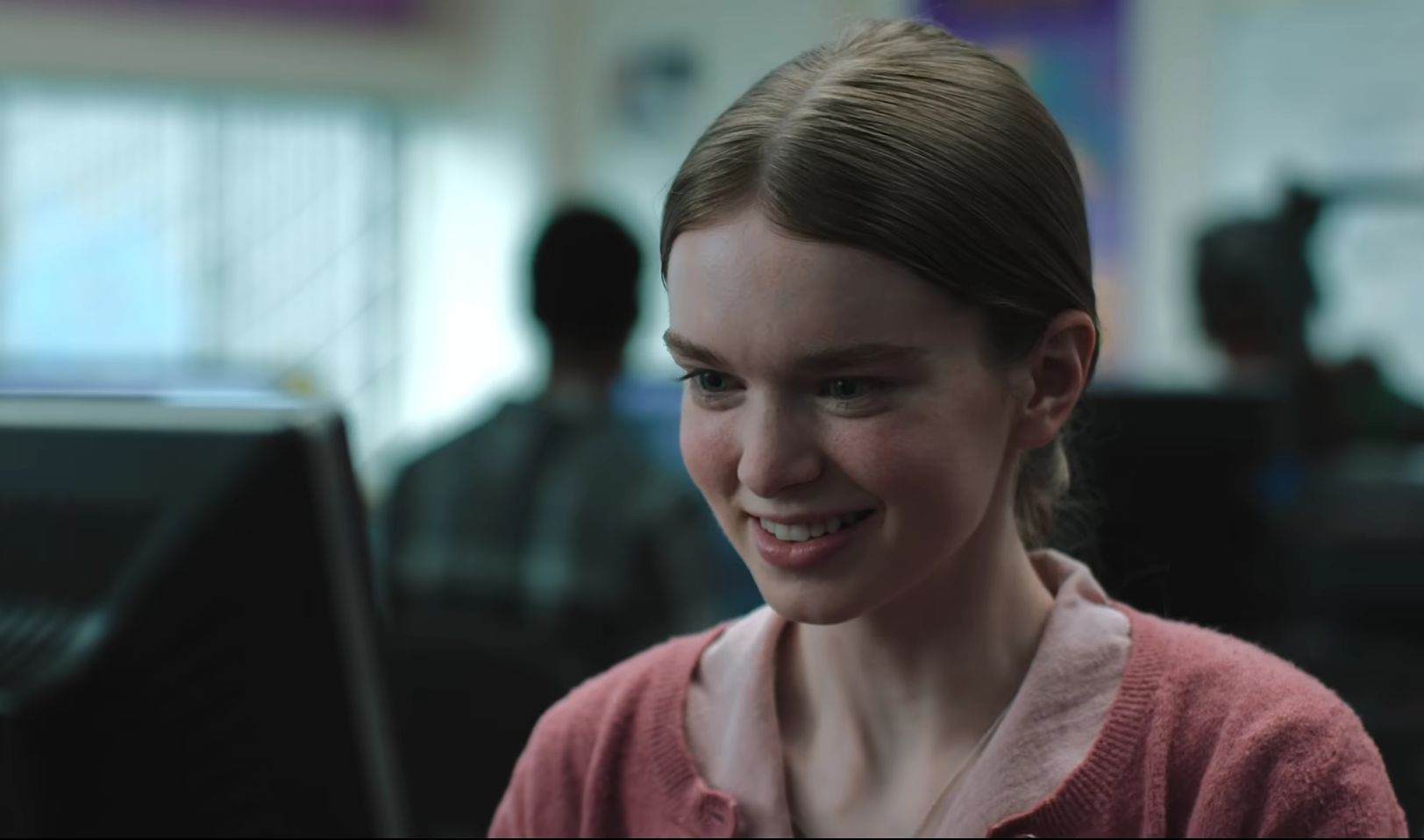 A still from Carrie
Mike Flanagan makes an excellent case for a modern-day adaptation by placing Carrie and Chris in the age of social media. The authorities at Ewen High School cannot simply prohibit students from bringing their mobile phones, given the state of the nation, where parents need to be able to contact their children in the event of a school shooting. A mock drill simulating such an incident terrifies Carrie, leaving Sue Snell (Siena Agudong), Chris’ friend, surprised by the intensity of her reaction and gradually more sympathetic towards her. The scene is unsettling because it situates Carrie’s fears within a world where school violence has become a persistent possibility rather than an unthinkable exception.
But it is in the way Chris weaponises the digital world that the adaptation finds another disturbing layer. Her bullying begins with a fake social media account created in Carrie’s name and photo, turning humiliation into something that can spread beyond the school corridors. The title of the first episode, The First Period, plays on the phrase with an unsettling pun, setting the stage for the chain of cruelty that follows. What begins as a deeply personal experience of shame becomes a public spectacle, with the digital sphere giving bullies new ways to manipulate, expose and isolate their targets. Mike Flanagan understands that cruelty in the modern world does not always need physical proximity; sometimes, all it takes is a screen and an audience willing to participate.
Carrie also strikes gold with its casting. Summer H. Howell and Alison Thornton, in their first collaborations with Mike Flanagan, help turn the adaptation into a brutally cathartic experience through their committed portrayals of a meek teenager and an overconfident queen bee. Their characters are shaped by fractured family dynamics: one has lost her father and lives under the thumb of an overtly religious mother, while the other has a wealthy father who spoils her with material comforts but seemingly offers little in the way of parenting. The contrast is not simply between a victim and a villain; it is between two teenagers whose environments have shaped them in vastly different ways, even as their choices carry consequences.
The supporting cast includes several of Mike Flanagan’s familiar collaborators, including Samantha Sloyan, Rahul Kohli, whose character Seth comes with a revelation, and Kate Siegel in a mysterious role with questions. Their presence adds to the series’ familiar Mike Flanagan ensemble, but what really works in its favour is that nobody is entirely good or irredeemably bad. Even the school principal, who understandably takes action against Chris for her behaviour, is willing to protect the institution’s image when its reputation is at stake, particularly following the twist involving Seth. The series repeatedly exposes the difference between doing what is right and doing what is convenient. Institutions, much like individuals, are capable of recognising wrongdoing while still choosing self-preservation.
Despite straying from aspects of Stephen King’s original work, the series scores big because it remains clear about what it wants to say. Its portrayal of abuse and repressed anger is not merely about an individual’s suffering; it is about what happens when cruelty compounds, when compassion is mistaken for weakness and when a person’s repeated pleas for dignity are met with further humiliation. Carrie’s transformation is horrifying precisely because the series makes us understand the emotional conditions that lead to it, without necessarily excusing the devastation that follows. It is an uncomfortable distinction, and one that Flanagan handles with considerable conviction.
That is ultimately why Carrie works best. When someone who has spent her life being empathetic and kind is pushed beyond endurance, the anguish that follows can be catastrophic. But the series does not suggest that the resulting violence is inevitable or justified. Instead, it asks how many people and institutions must fail a vulnerable teenager before the damage becomes impossible to contain. The horror lies not just in Carrie’s powers, but in the world that repeatedly gives her reasons to believe that kindness will never be enough.
Carrie Series Verdict
Carrie is not an easy watch, but it is certainly an engaging one. There is plenty to unpack, and its details reward closer examination. Beyond the brilliant cast, Mike Flanagan justifies his adaptation for a modern audience, in which Carrie is not simply a kindred spirit pushed too far, but also a product of a world that has lost its capacity for kindness, empathy and tolerance. Its most unsettling realisation is that the horror does not emerge from nowhere; it is built, moment by moment, by those who mistake cruelty for power and silence for compliance.