Sing Geetham Story
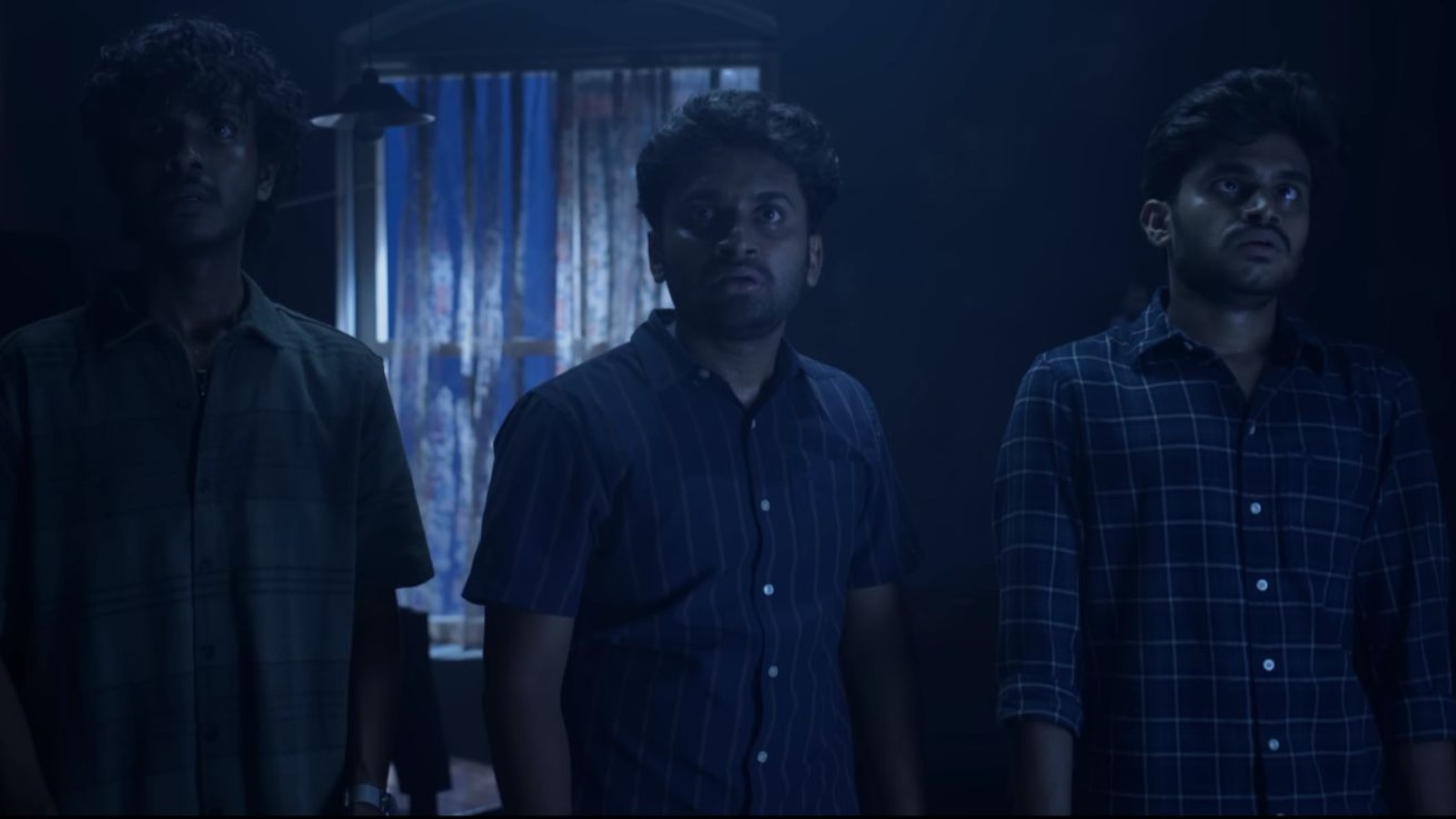
In the village of Kuberapuram, gold mining has become a way of life, leading people to destroy nature in their relentless pursuit of wealth. Among them is a young girl who treasures the village's last remaining tree, seeing it as a symbol of her mother. When the villagers cut down even that final tree for gold, they incur the wrath of Lord Kubera, the village deity. He places a strange curse on the entire village. What this curse is and how it transforms the lives of the villagers forms the rest of Sing Geetham.
Sing Geetham Review
At a time when Indian cinema is flooded with formula-driven stories, Singeetam Srinivasa Rao once again proves that imagination has no age limit. The very concept of a village where people can communicate only through songs is daring, unconventional, and distinctly his own.
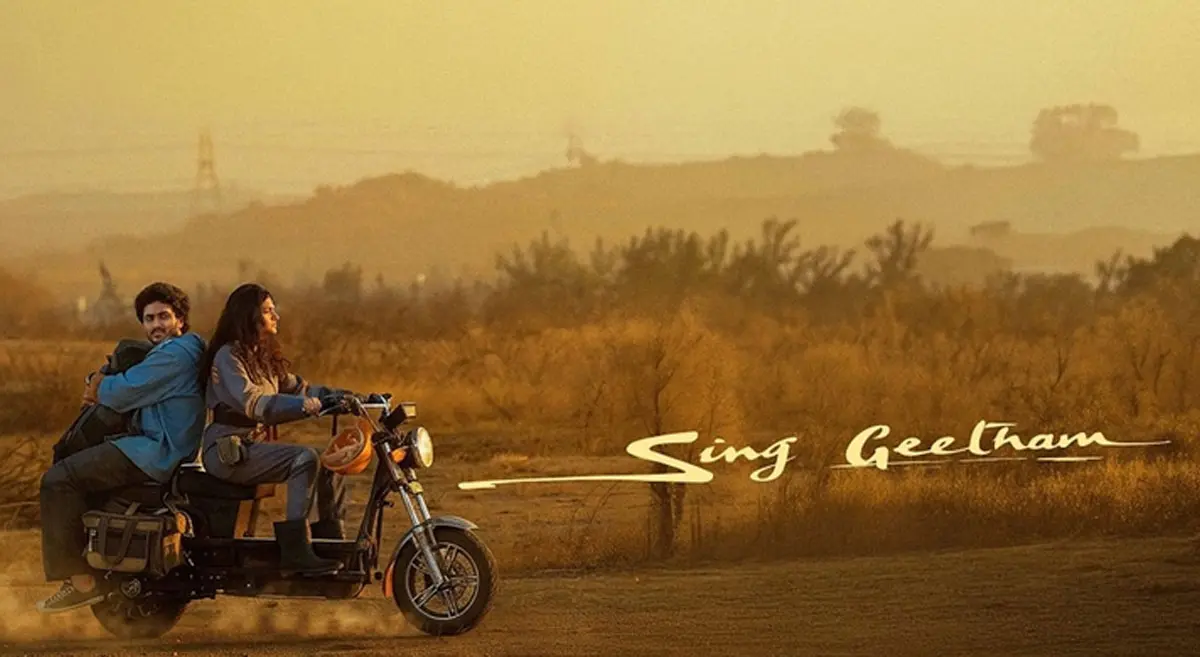 Sing Geetham poster
The film begins on a relatively familiar note, introducing the village, its people, and the growing obsession with gold. During these early portions, Singeetam's trademark humor and quirky writing keep things engaging. The transformation arrives when the curse takes effect, and the narrative shifts entirely into a musical format. This is where the film becomes both fascinating and challenging.
For a while, the novelty works beautifully. Watching ordinary conversations turn into songs creates a unique cinematic experience, and full credit to Devi Sri Prasad, who enhances the film with his score. However, as the pattern continues, the narrative occasionally feels repetitive. There are moments when audiences may admire the creativity behind the concept while simultaneously wishing for more variation in its execution.
Another issue is the emotional connection. Since most interactions are conveyed through songs, certain emotional moments do not land with the intended impact. Human emotions are often best expressed through silence, pauses, and dialogue, and translating every feeling into music occasionally creates a sense of distance between the audience and the characters.
As the backstory of the village unfolds, the narrative gains emotional depth. The exploration of how greed destroys communities and nature becomes increasingly compelling. The flashback portions are particularly effective, adding weight to the central conflict. The emotional transformation of Pratap's character is also handled with sincerity.
From the pre-climax onwards, the film enters its strongest phase. Singeetam's storytelling brilliance becomes evident, not through technical wizardry or shocking twists, but through simple and powerful emotional storytelling. These moments remind audiences why he remains one of Indian cinema's most respected filmmakers.
The climax leaves a lasting impression, and the surprise cameo by Vijay Deverakonda adds another memorable layer to the finale. His brief appearance generates excitement and provides an energetic finish to the film.
Coming to the performances, Ayaan delivers a sincere performance as Pratap and handles the character's emotional journey effectively. Ahilya brings innocence and warmth to her role, making her one of the film's emotional anchors. Shalini also performs confidently and leaves a positive impression.
Rahul Ravindran and Nivetha Pethuraj make brief appearances, while director Anudeep adds a pleasant surprise. Veteran actress Tulasi receives a substantial role and makes the most of it.
However, the true star performer behind the scenes is Devi Sri Prasad. This is one of the rare films where music is not merely an accompaniment but the primary storytelling tool. DSP embraces the challenge wholeheartedly. His compositions carry the narrative, enhance the emotions, and maintain the rhythm of the film. Even during portions where the storytelling threatens to become repetitive, his music keeps the audience invested.
The editing could have been sharper in certain portions, particularly during the extended musical stretches. Nevertheless, the film maintains a consistent tone throughout. The lyrics deserve special praise, as they shoulder much of the storytelling responsibility.
Producer Nag Ashwin and the team at Swapna Cinema deserve appreciation for backing such an unconventional project. In an era dominated by commercial formulas, supporting a film like Sing Geetham requires courage and conviction.
Sing Geetham Verdict
Sing Geetham is not a conventional entertainer, nor does it attempt to be one. It is an ambitious fantasy drama driven by a bold idea, a meaningful message, and the boundless imagination of Singeetam Srinivasa Rao. Watching the film is less about witnessing perfection and more about appreciating the creative spirit of a legendary storyteller who refuses to stop innovating.