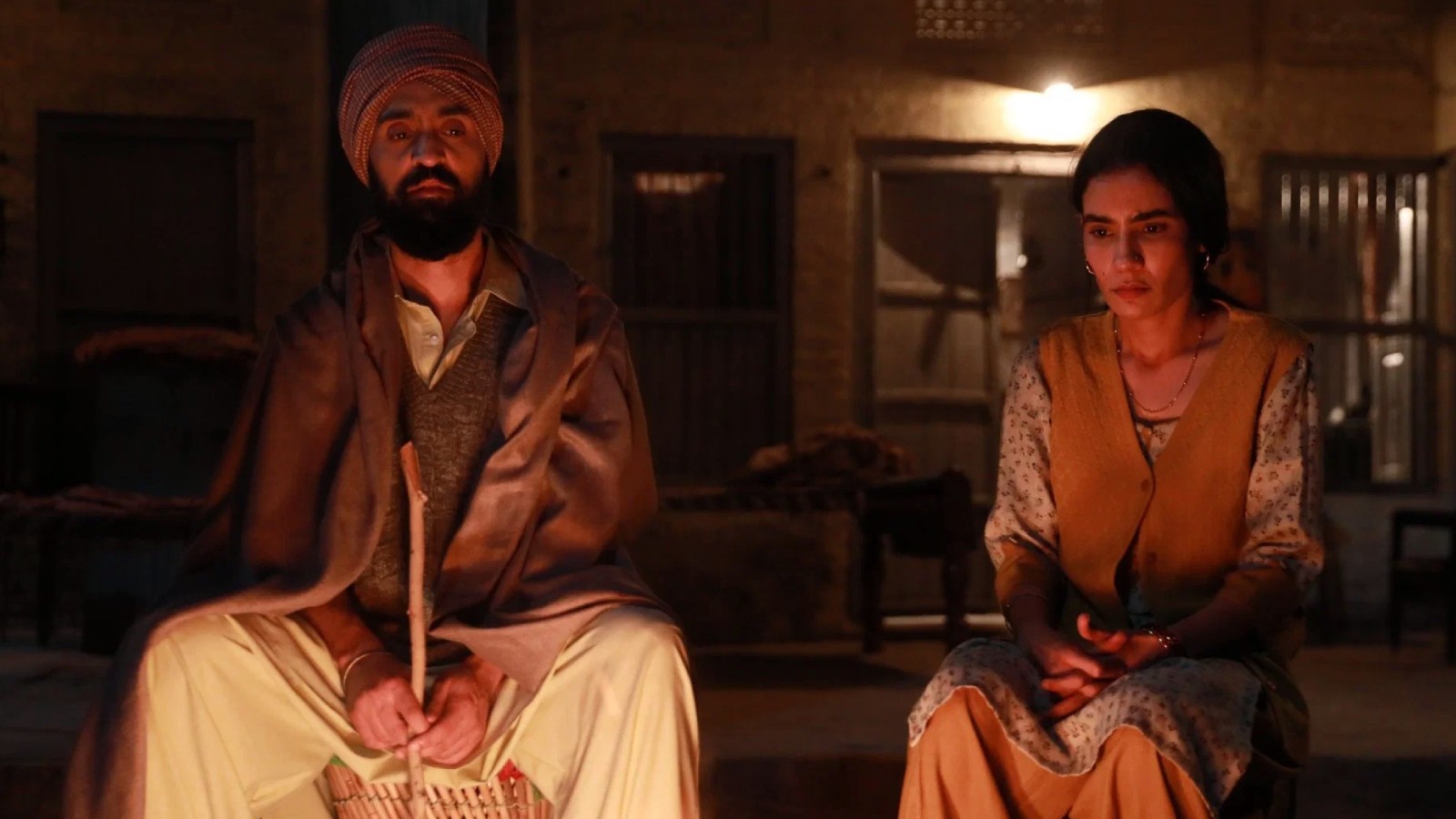
Satluj Story
The film follows the life and death of human rights activist Jaswant Singh Khalra who single-handedly waged a legal battle against the Punjab Police for its atrocities, in the guise of curbing militancy, following the assassination of former Prime Minister Indira Gandhi and the anti-Sikh riots in Delhi. Khalra was investigating mass murders and cremation of unclaimed bodies, which drew national and global attention, leading to his eventual abduction and murder in 1995.
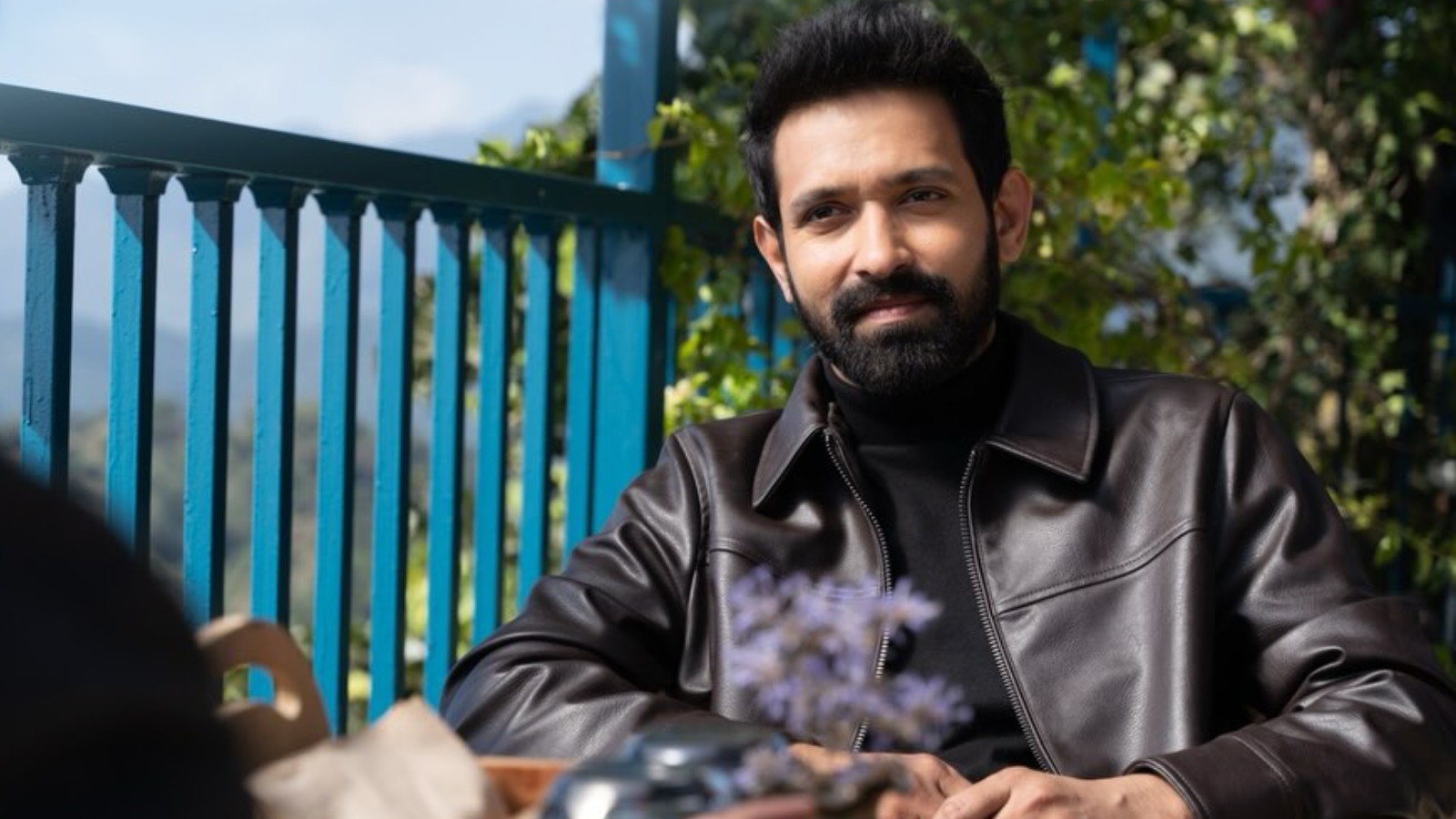
Jaswant (Diljit Dosanjh) is leading a peaceful life as a banker with his wife Paramjit (Geetika Vidya Ohlyan) and their two children, in Amritsar. When a friend and his mother go missing, Jaswant, with help enlisted by his friend and Senior Constable Satnam Singh (Saurabh Sachdeva), starts digging deep into the mysterious piling up of bodies at morgues and crematoriums. His investigation leads him into understanding that over 25000 bodies have been marked as ‘unclaimed’ and have been unceremoniously cremated by the state police, with no official records in place.
Jaswant puts forth his findings before the people, drawing attention from the national and international press and eventually, the law. His stature irks the state police especially DGP Inderpal Singh Bitta (Kanwaljeet Singh) and SSP Surjit Singh Sugga (Suvinder Vicky), who start cornering him through intimidation and surveillance. On September 6, 1995, Jaswant is abducted from his home and Paramjit requests central intervention. A CBI team, led by Samudra Singh (Arjun Rampal), pursues Jaswant’s whereabouts and continues the gradual fight for truth and justice.
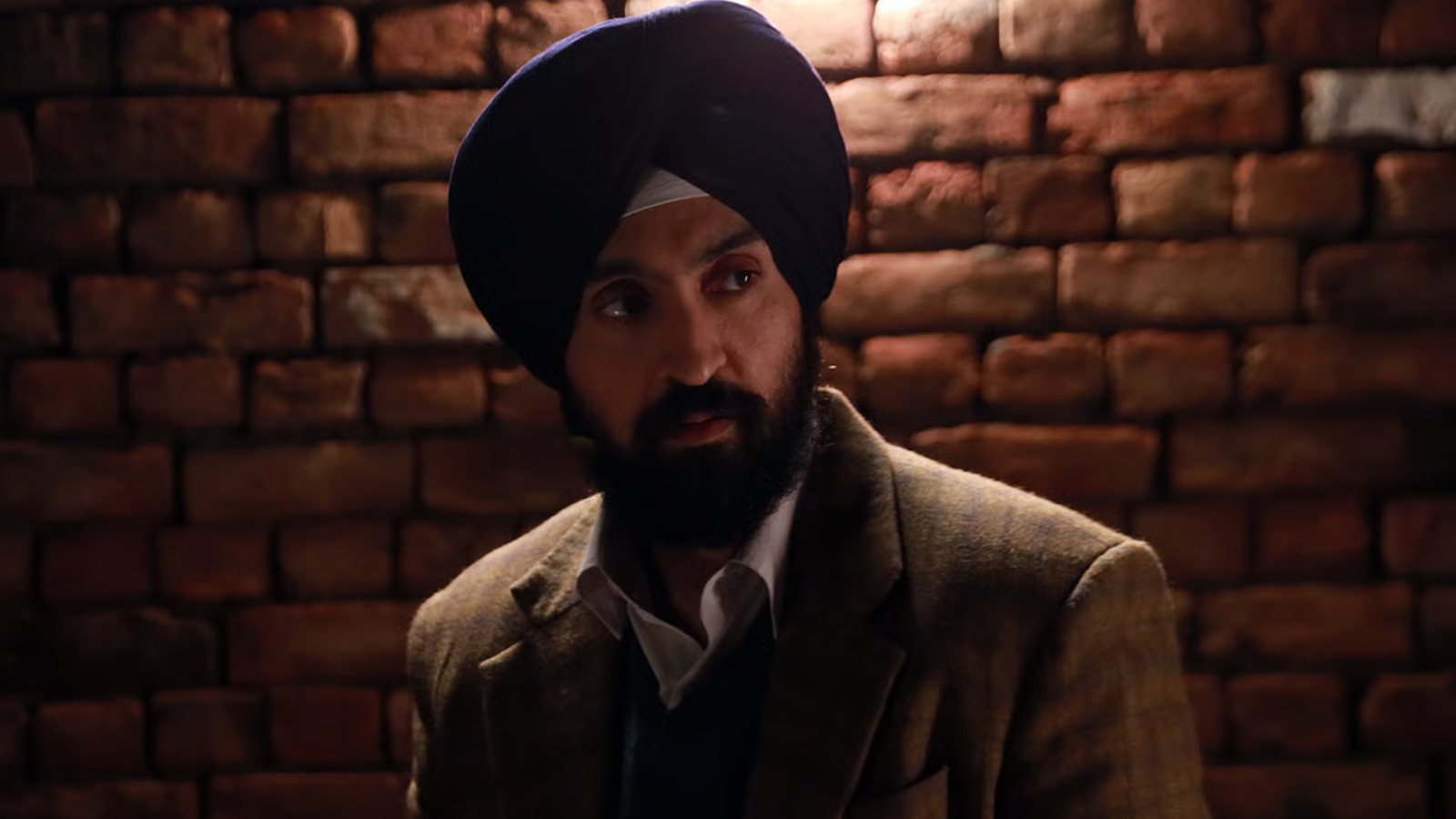 Diljit Dosanjh in Satluj
Satluj Review
To say that ‘Satluj’ is a necessary watch only amounts to a shortage of words. But it must be understood as to why is this film important and why it demands to be shown. Initially titled ‘Ghalughara’ meaning massacre, noted casting director Honey Trehan who marks his directorial debut, has had a long-drawn battle with India’s CBFC. The Censor Board suggested over a 127-cuts initially with reasons ridiculously ranging from exclusion of the word Punjab and the omission of the name of the late human rights activist. The title too was first changed to ‘Panjab 95’. Initially slated to premiere at the Toronto International Film Festival (TIFF), the film was removed from the line-up, citing ‘political forces at play’, a claim that has been neither verified nor denied by the organisers. On July 3, 2026, the film, retitled as ‘Satluj’, witnessed a silent premiere on Zee5.
Written by Trehan, Niren Bhatt and Utsav Maitra, ‘Satluj’ keeps you engaged from the very opening credits. When a bunch of policemen casually get rid of bodies, while drinking and engaging in playful banter with one another, you feel the numbness of how normalised state murder was then. K.U Mohanan’s cinematography, Garima Mathur’s production design and Marc Marder’s background score transport you to a state filled with tension and doom, all around. A Sreekar Prasad ably tries to retain the impact of the film’s storytelling through his editing, although you do feel that a few indulgences could’ve been trimmed.
Given Trehan’s understanding of Punjab’s volatile history and politics, the director deploys a praise-worthy cast, with each member bringing their A-game to the fore. Diljit leads the pack with his measured restraint and effective silences. He lets Jaswant shine like a beacon of hope in a world fractured with despair. Geetika’s brilliance lies in her emotive eyes. Watch out for her in a painfully heart-breaking moment in the court, when Paramjit learns the truth about her spouse. Kanwaljeet is definitely enjoying himself, playing characters with shades of grey. After ‘Mrs.’ you see the actor make a mark as the foxy Bitta who smirks at activism. Suvinder is ruthless and barbaric as Sugga, who must relish a plate of Saag before pulling the trigger. Arjun as Samudra is placid and empathetic. Saurabh’s droopy eyes allow him to convey guilt and sadness. Jagjeet Sandhu as SPO Kuljit Singh and Varun Badola as advocate Jais make remarkable impressions too.
Critically speaking, Trehan could’ve explored the ideologies of his protagonist, something he surprisingly steers away from. He establishes Jaswant as a novice to activism but never touches upon the latter’s familial history which brims with leftist views. Interestingly, Khalra’s grandfather Harnam Singh was an active participant in the Ghadar movement during India's independence. He was also one among the 376 passengers aboard the Komagata Maru ship, who were disallowed from embarking at the Burrard Inlet port in Vancouver, Canada in 1914. Recently during his widely publicised appearance on ‘The Tonight Show with Jimmy Fallon’, Diljit shared this historical anecdote while highlighting his sold-out show at BC Place, which is roughly ten minutes away from the said port. The seating capacity of the venue being estimated at 55,000.
That minor hiccup aside, Trehan’s direction is faultless as he explores the moral and bureaucratic rot within the system, through every passing minute. The timeline maybe 1995, but anyone will attest to the implications of authority and control that go unchecked in a democracy, even today. The discomfort you’re left with once you finish streaming the film is hard to shrug off.
Satluj verdict
‘Satluj’ isn’t easy viewing but it is essential for those who wish to look at issues and people with objectivity and without biases and divides. It does not flinch in displaying the price that one must pay for the pursuit of truth and justice, but it does leave you with the hope that a single lamp can eradicate darkness. Maybe, it is also a friendly reminder for a polarised society, to grow a spine.