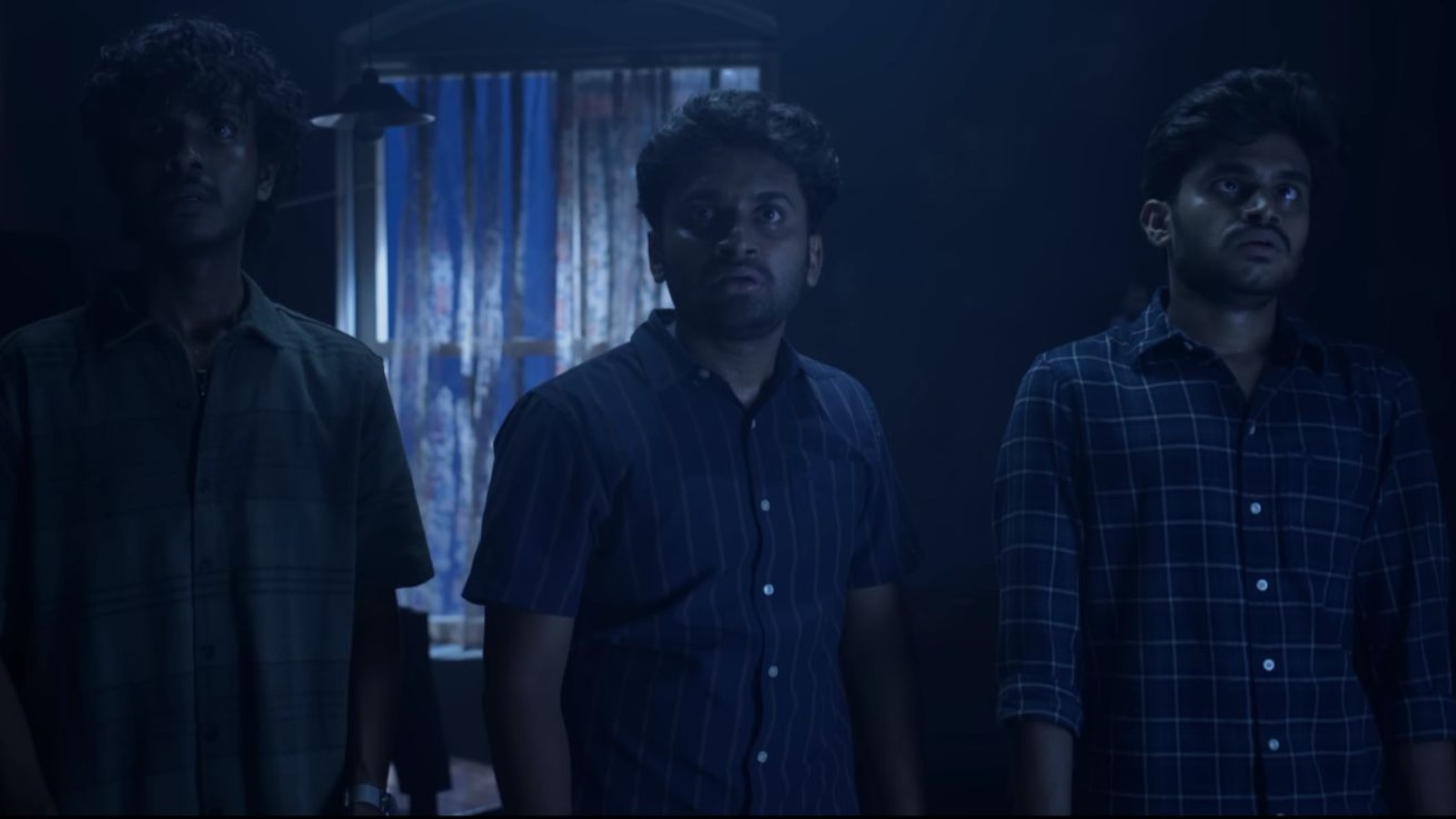
Rao Bahadur Story:
Ramappa Rao Bahadur (Satyadev), a royal descendant suffering from liver cancer, alcoholism, and a psychological disorder, is told that he has little time left to live. However, a lingering doubt about the paternity of his second son refuses to let him rest. Determined to uncover the truth, Ramappa battles his failing health and obsession. Why does he suspect his wife and question his son's birth? The answers form the crux of Rao Bahadur.
Rao Bahadur Review
There is no denying that Rao Bahadur is one of the most ambitious Telugu films in recent times. Directed by Venkatesh Maha and headlined by Satyadev, the film attempts to blend psychological drama, dark comedy, magical realism, and social commentary into a single narrative. On paper, it sounds refreshing and unlike anything Telugu cinema regularly produces.
However, what begins as an intriguing character study gradually turns into an exhausting experience that struggles to justify its artistic ambitions. The film has ideas in abundance, but translating them into an engaging cinematic experience proves to be its biggest challenge. The film has been widely discussed for its psychological drama elements and unusual storytelling approach.
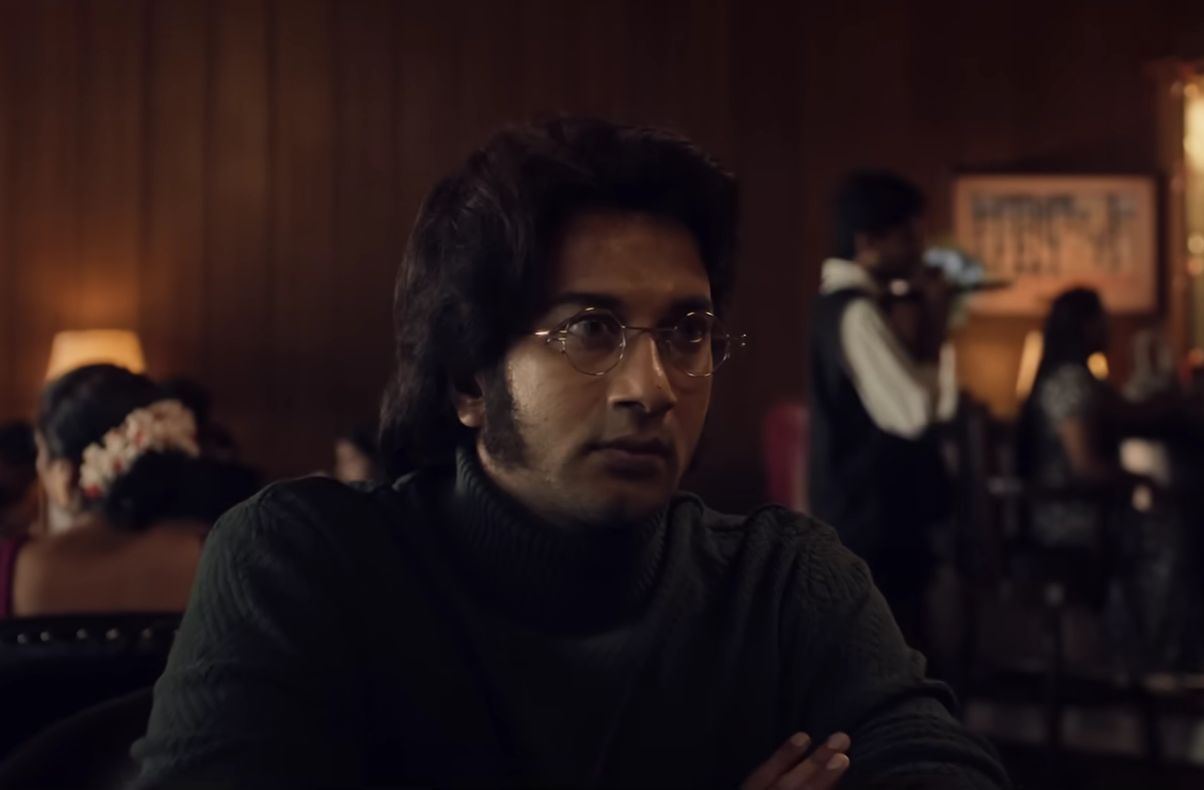 A still from Rao Bahadur
The first half is where the film begins to lose its audience. Instead of gradually drawing viewers into its world, the narration becomes excessively deliberate. Scenes stretch far beyond their purpose, conversations feel repetitive, and the pacing tests patience. While the film clearly wants viewers to absorb its atmosphere and symbolism, the execution often comes across as self-indulgent rather than immersive.
The biggest issue with Rao Bahadur is that it constantly feels more interested in being admired than understood. The film relies heavily on metaphors, symbolism, and abstract storytelling techniques, but many of these elements fail to translate into a satisfying emotional experience.
The climax delivers some interesting ideas, yet the long and laborious journey leading to it reduces its overall impact. While some viewers have praised the originality and second-half payoff, others have found the film pretentious and difficult to connect with.
Coming to the performances, Satyadev is undoubtedly the film's strongest asset. He commits fully to the role and delivers a performance filled with nuance and restraint. Much of the film rests on his shoulders, and he succeeds in making the character believable even when the screenplay lets him down. His expressions, body language, and emotional transitions remain convincing throughout. It is a performance that deserves appreciation irrespective of the film's overall quality.
The supporting cast performs adequately, but most characters are written more as narrative devices than fully developed individuals. As a result, very few emotional moments create the impact they are aiming for. The relationships lack depth, making it difficult to become emotionally invested in the protagonist's journey.
Technically, Rao Bahadur is polished. The cinematography is visually striking and successfully creates a haunting atmosphere. The production design effectively recreates the world the director envisions, while the background score supports the film's unsettling tone. Several frames look impressive and reflect the effort that has gone into crafting the visual language of the film.
Ultimately, Rao Bahadur is a film that deserves credit for attempting something different. It refuses to follow commercial formulas and takes creative risks. Unfortunately, originality alone is not enough. Despite a committed lead performance and impressive technical craftsmanship, the film's sluggish pace, emotionally distant storytelling, and overindulgent narration prevent it from becoming the compelling psychological drama it could have been.
Verdict:
On the whole, Rao Bahadur has a unique concept and an excellent performance from Satyadev, but the execution is far too slow and self-conscious to sustain interest. What could have been a powerful psychological drama ends up being an interesting experiment that rarely connects with the audience.