Gatta Kusthi 2 movie plot:
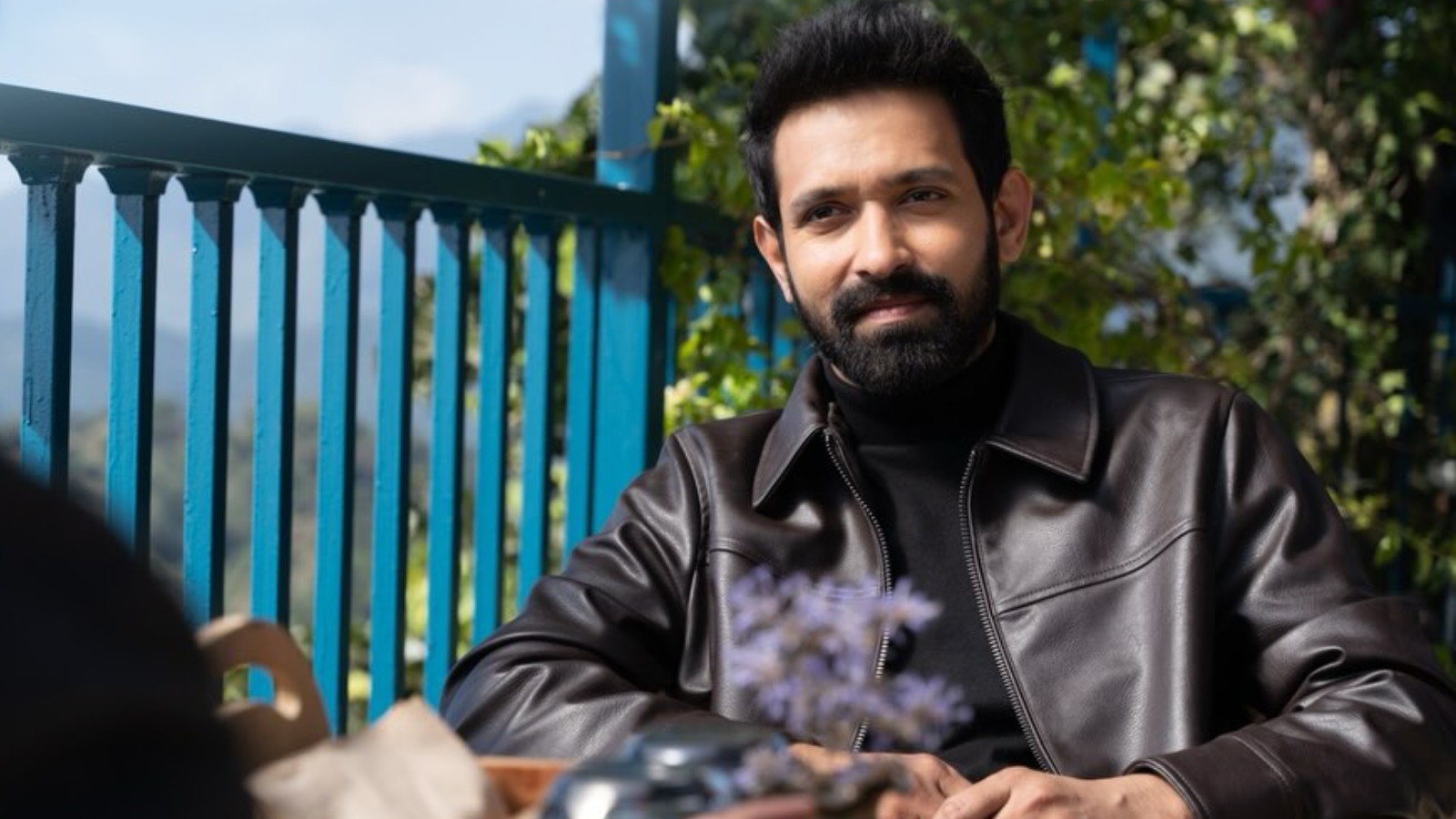
After the events of Gatta Kusthi, Veera (Vishnuu Vishal) and Keerthi (Aishwarya Lekshmi) are now parents to a young daughter Mathimalar. While Keerthi continues to juggle her professional wrestling career alongside work, Veera has embraced the role of a stay-at-home husband, taking charge of parenting and household responsibilities. But their seemingly balanced domestic life is thrown into disarray when external forces begin plotting against Keerthi, threatening not only her ambitions but also the stability of their relationship.
Gatta Kusthi 2 movie review:
If Gatta Kusthi deserves credit for anything, it is for arriving ahead of films like Blast and Maa Inti Bangaram in centering a female protagonist whose defining strength lay in her physicality and action. But beneath its surface-level celebration of women empowerment sat a narrative weighed down by regressive ideas, often undermining the very message it sought to champion. The sequel, unfortunately, neither re-evaluates nor corrects those shortcomings. Instead, Gatta Kusthi 2 faithfully follows the blueprint laid by its predecessor, once again packaging itself as Keerthi's story while remaining, at its core, a film almost entirely about Veera.
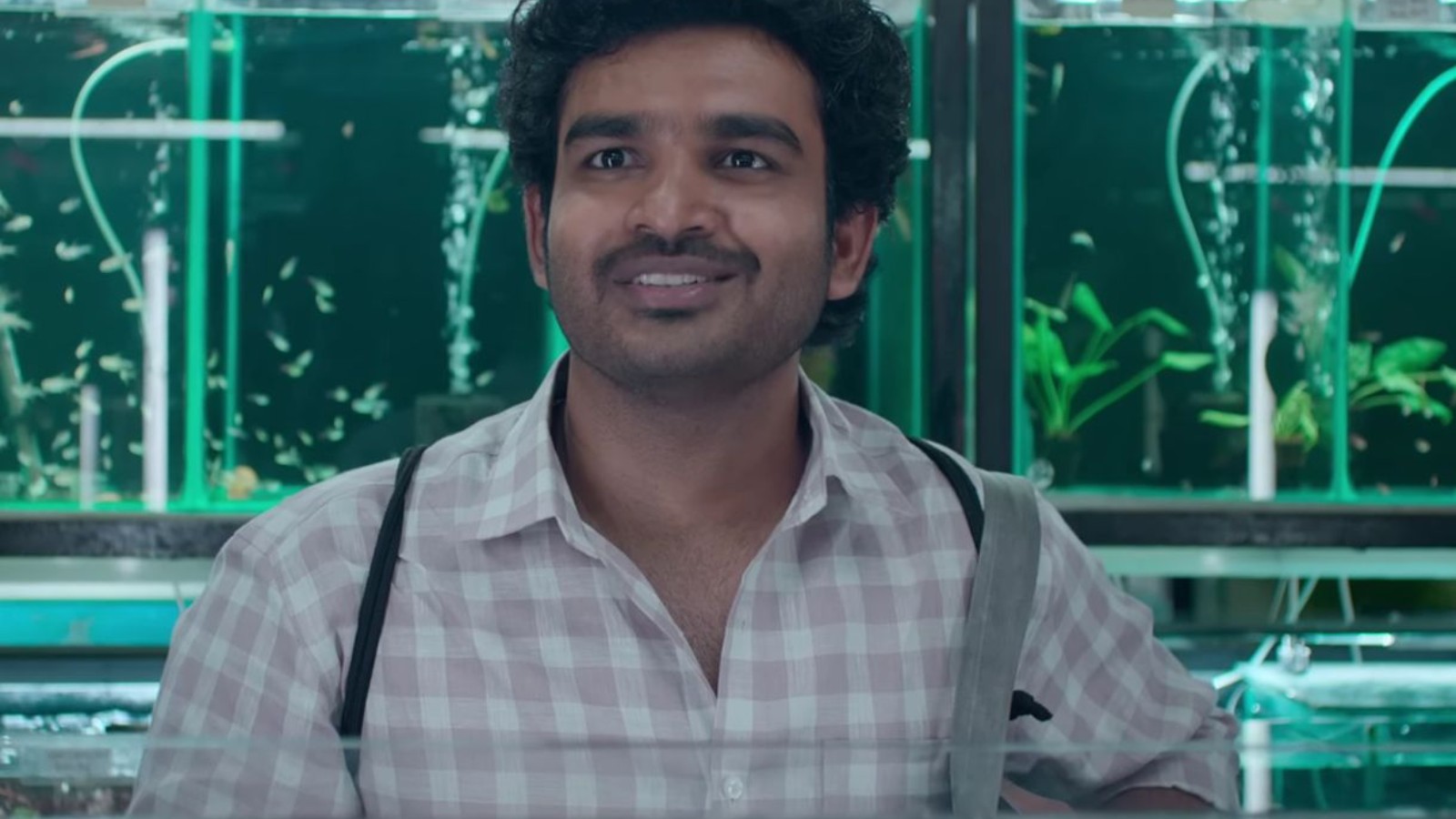
The disappointment doesn't gradually creep in as the narrative unfolds; it announces itself almost immediately. Veera's introductory sequence sees him standing in line with women to fill water pots, only for his head to end up trapped between the hips of two women. His escape? Pinching their waists. It is a gag designed purely for cheap laughs, setting the tone for a film that repeatedly mistakes juvenile humour for entertainment. Within minutes, Gatta Kusthi 2 establishes that despite its supposedly progressive premise, it remains more interested in reducing women to punchlines than engaging meaningfully with the gender dynamics it claims to explore.
Rather than allowing the conflict between a successful working wife and a house-husband to emerge organically, the screenplay rushes through its setup with startling impatience. The antagonist is introduced almost instantly, complete with an ominous background score that does all the narrative heavy lifting, as though the film itself has little interest in earning its conflict. The storytelling repeatedly leans on shortcuts instead of emotional or dramatic development, making every subsequent turn feel predetermined rather than lived.
There are moments where the film manages to extract laughs, but even those land more by accident than design. Much of its comedy relies on fleeting, trivial situations instead of wit or character-driven humour. Like the original, the sequel speaks the language of women empowerment in theory, but rarely in practice. Keerthi, despite being the wrestler, the working professional and arguably the emotional centre of the story, is consistently sidelined. Instead, the screenplay circles back to Veera's domestic antics, stretching them into repetitive comic episodes that rarely add depth to either character or narrative.
The film's subplots fare no better. A neighbour's suspicion that Veera is romantically involved with his stay-at-home wife is treated as a recurring comic thread, though it generates little beyond predictable misunderstandings. Even more baffling is the inclusion of a glamorous class teacher, whose interactions with Veera become the catalyst for unnecessary marital discord. The entire track, involving Veera, the teacher and his daughter Mathimalar, feels awkwardly inserted into the screenplay, existing solely to manufacture conflict where none naturally exists.
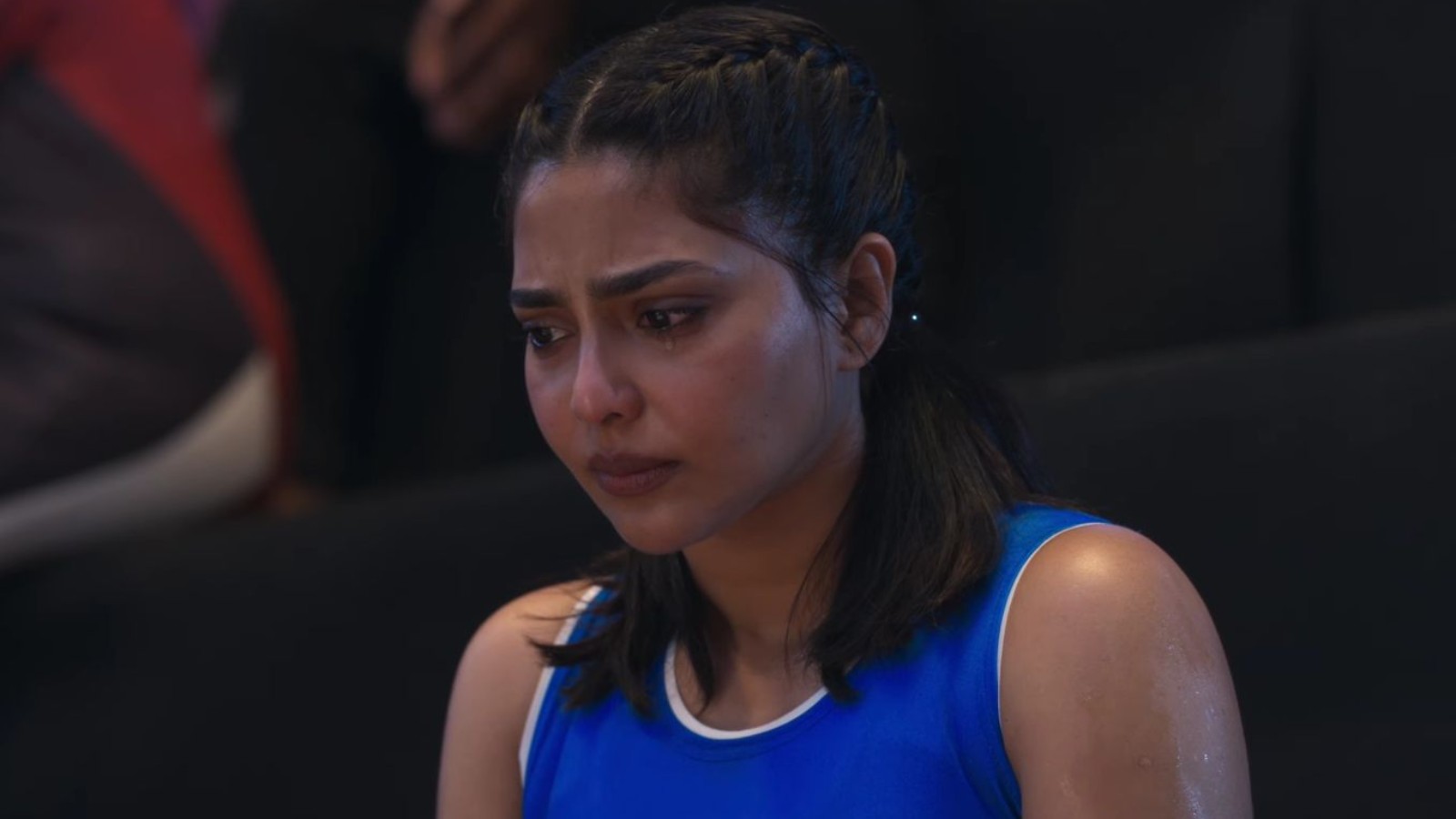
Ironically, for a film that repeatedly reminds audiences of Keerthi's strength and independence, it grants her remarkably little agency. She is shown balancing a demanding wrestling career, work commitments and motherhood, yet the screenplay rarely allows audiences to experience her journey from her perspective. Instead, Keerthi is reduced to reacting, often through jealousy, particularly when Veera grows friendly with their daughter's teacher. The film attempts to paint this as insecurity, but considering it also stages scenes where Veera dances with both the teacher and his daughter perched on his hips, her discomfort hardly feels unreasonable. Rather than interrogating the emotional complexities of such situations, the screenplay weaponises them to once again shift sympathy towards Veera.
If there is any lingering doubt about where Gatta Kusthi 2 ultimately stands, the climax dispels it. What should have been an emotionally satisfying resolution instead devolves into another "battle of the sexes," with Veera and Keerthi once again pitted against each other in a contest that hinges on physical dominance. Instead of challenging outdated notions of masculinity and femininity, the film circles back to them, seemingly suggesting that women can ultimately be put in their place through male physical superiority. It is an ending that not only betrays the premise but also reinforces the regressive ideas the film spends two hours pretending to dismantle.
Gatta Kusthi 2 movie verdict:
Gatta Kusthi 2 is an even blunter and more superficial sequel than its predecessor, fumbling every opportunity presented by its intriguing premise. With themes involving women in professional sports, stay-at-home fathers, parenting and shifting gender roles, the film possesses enough material to craft a thoughtful examination of modern relationships and evolving family dynamics. Instead, it settles for broad comedy, manufactured conflicts and outdated gender politics that repeatedly undermine its own intentions.
The result is a film riddled with contradictions, one that speaks the language of empowerment while repeatedly denying its female lead the space to embody it. Rather than delivering the balanced contest its title promises, Gatta Kusthi 2 turns what could have been an engaging rematch into an uneven bout, leaving audiences with a frustrating and deeply unsettling watch.