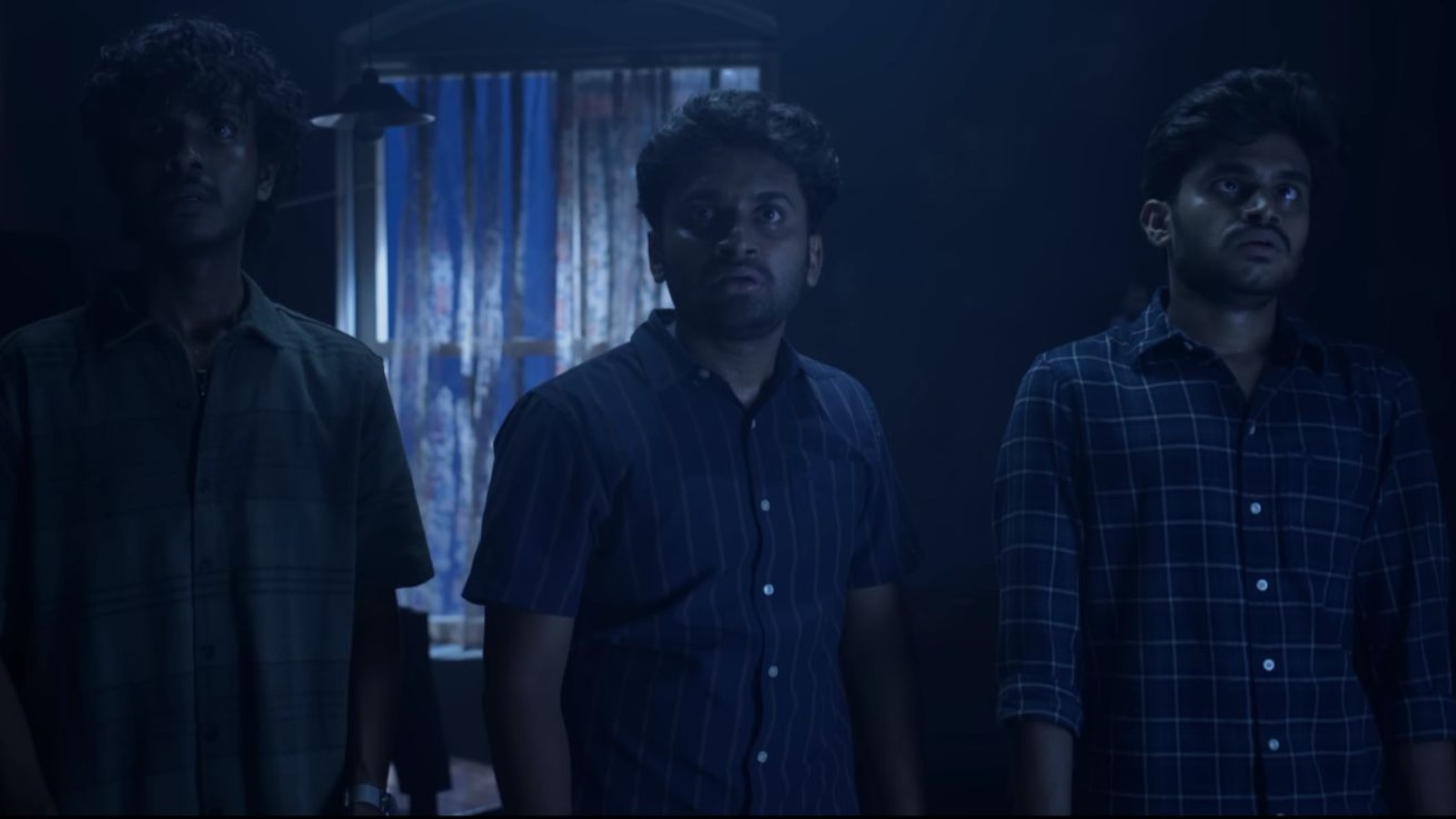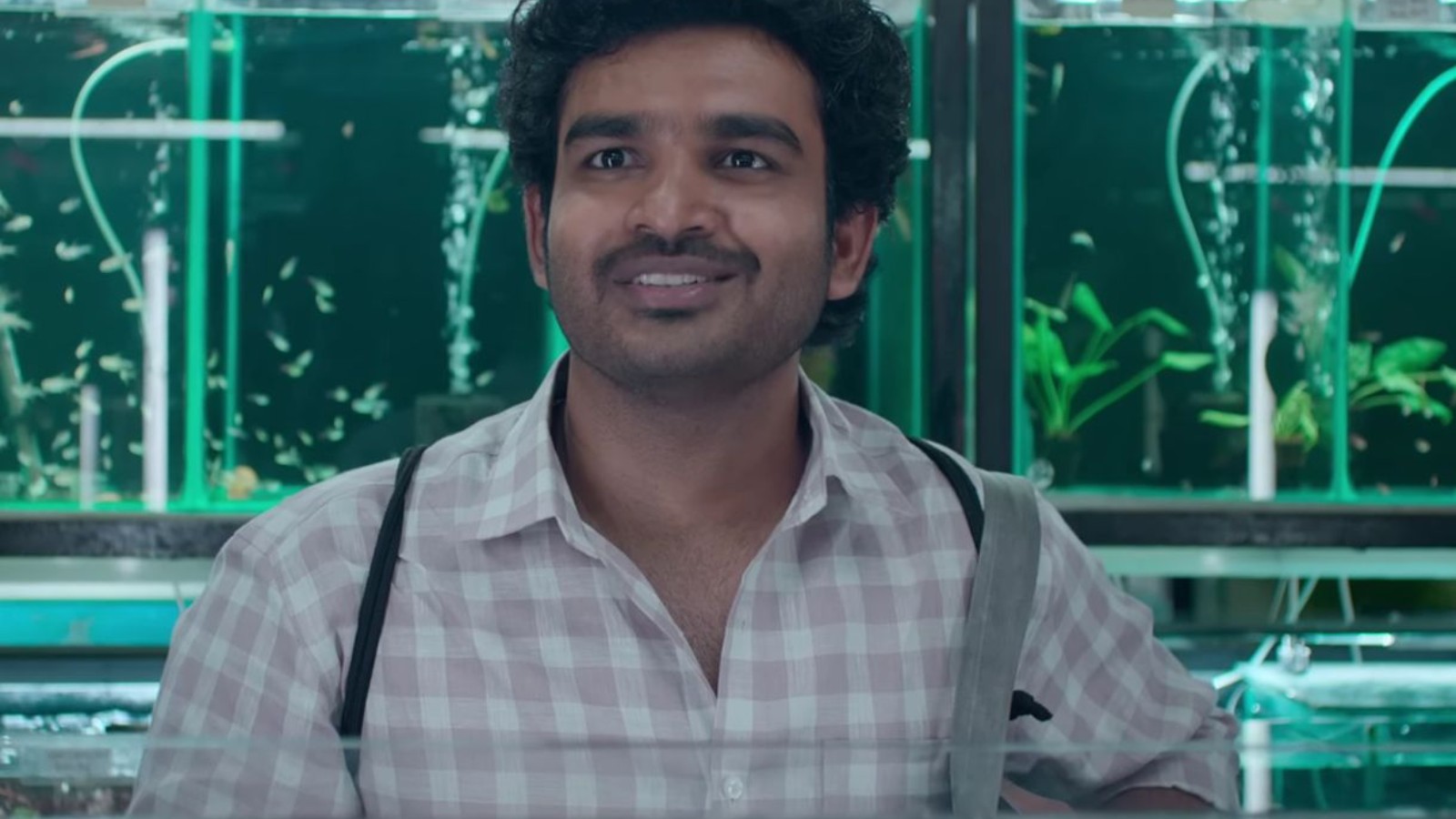
Exam series plot: DSP Maramalli (Aditi Balan) is kidnapped and replaced by Jhansi (Dushara Vijayan), who assumes the former’s identity. As Jhansi attempts to infiltrate the police department and crack a crucial case, the series delves into the organised network of crime built over the years around government police service examinations. Matters grow murkier as the story reveals that Maramalli and Jhansi share a complicated past.
Exam series review: A live fish voluntarily placed into a person’s mouth, an odd image that bookends Exam, the seven-episode investigative drama centred on exam scams. As bizarre as the visual may seem, it carries a certain eccentricity and intrigue, qualities the series unfortunately loses midway despite having a promising premise in hand.
The narrative begins with the gripping replacement of Jhansi in place of Maramalli, with the unfolding events gradually addressing why the group backing Jhansi is orchestrating such a risky impersonation. However, Exam takes its own time to settle into its central conflict. A considerable portion is spent showing Jhansi adapting to her new identity and navigating the police department while attempting to maintain the deception. The mystery sustains mild intrigue, and in parallel, the series introduces an underprivileged yet bright young man struggling to pursue higher education. Naturally, these narrative threads intersect, revealing a larger and more layered motive. But getting there requires patience.
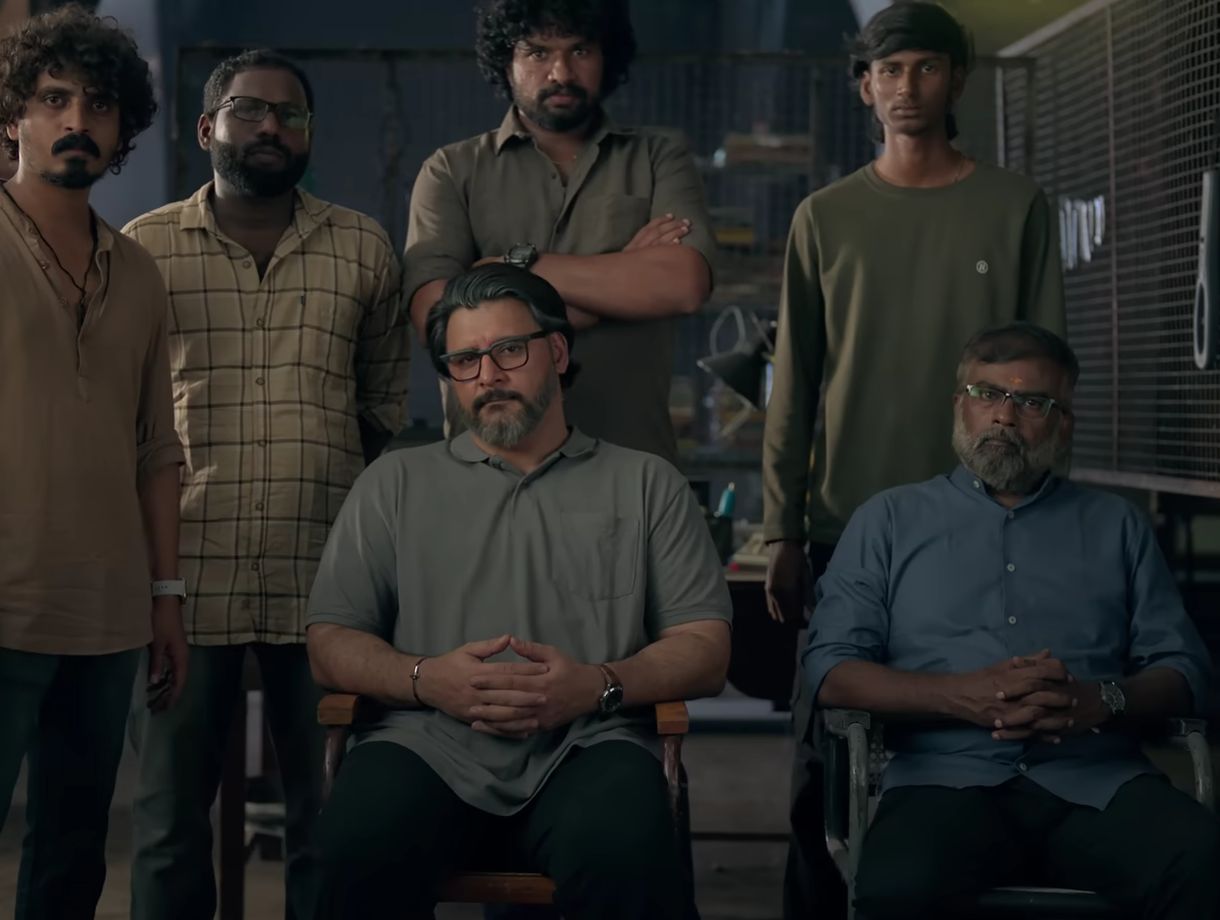 A still from Exam
Even though the series attempts to establish multiple parallel tracks and motivations for its characters, its exploration rarely feels wholesome or fully realised. Several characters are introduced with significance, only to remain underdeveloped or abruptly sidelined. Take Jayachandran (Abbas), for instance, a former jailer whose trajectory has shifted him to the other side of law and order. Despite sharing a strong emotional connection with the central character, his limited presence renders the role under-utilised and far less impactful than it could have been.
At its core, Exam attempts to examine the stark divide between privilege and poverty. On one side are the wealthy, using every resource at their disposal to secure ranks in competitive examinations; on the other are those fighting desperately for education to become a means of social upliftment. A key character exists somewhere between these extremes, morally grey, conflicted, and symbolic of the system itself. Yet the series spends more than half its runtime building towards this revelation, and by the time the character’s actions are unpacked, debated, and justified, the story is already racing towards its conclusion.
Nevertheless, Exam benefits from a set of committed performances, particularly from Dushara Vijayan, who shoulders much of the emotional and investigative weight of the series. Aditi Balan, Abbas, and the supporting cast lend adequate support to the world the series builds, but could have been better utilised. Yet, despite positioning women in pivotal roles, including as police officers, the series leaves some of its earliest emotional threads frustratingly unresolved. One such example is the early track of a mother constantly sidelining her daughter while prioritising her son’s education. These smaller but meaningful subplots are introduced with purpose but eventually abandoned, leaving the series with several loose ends.
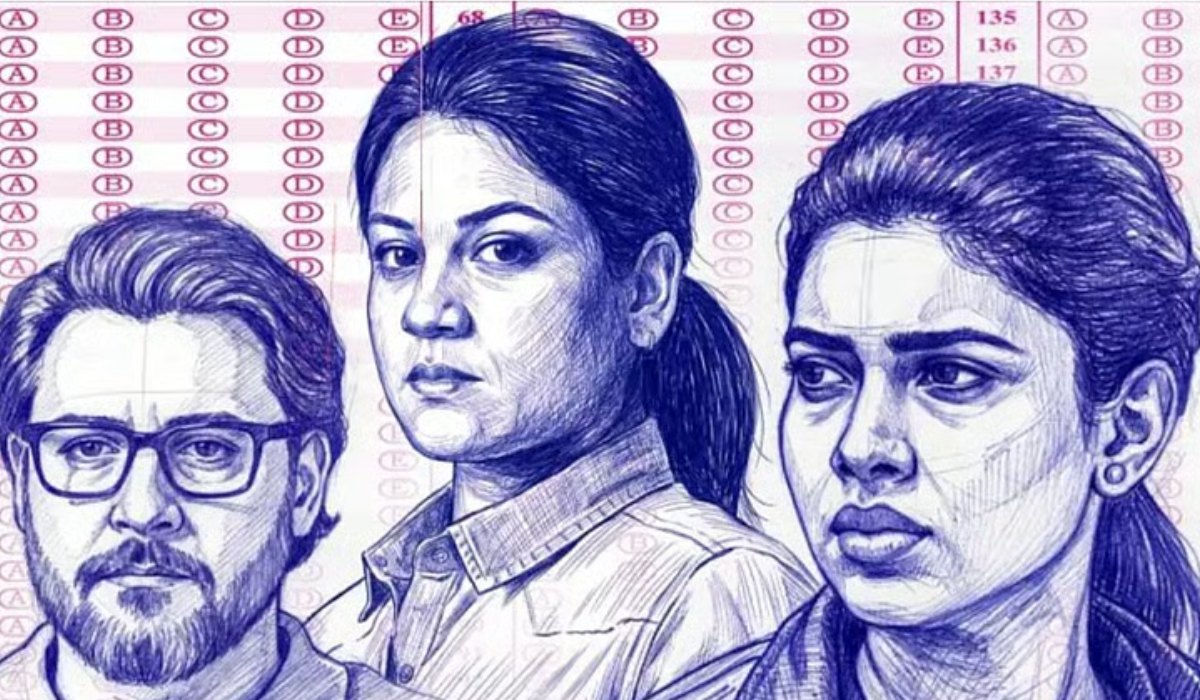 A poster of the Tamil series Exam
Ultimately, Exam is a series that shows flashes of promise and intrigue, but struggles to sustain its momentum. Its premise is compelling enough to draw viewers in, yet its storytelling lacks the sharpness and depth needed to fully capitalise on its themes.
Exam series verdict: Exam settles into a middling space in terms of storytelling and narrative execution. The series offers occasional sparks of intrigue and glimpses of what could have been a compelling investigative drama, but these remain isolated strands that never fully come together. It is a show that captures attention with its premise, only to stop short of truly fleshing it out.