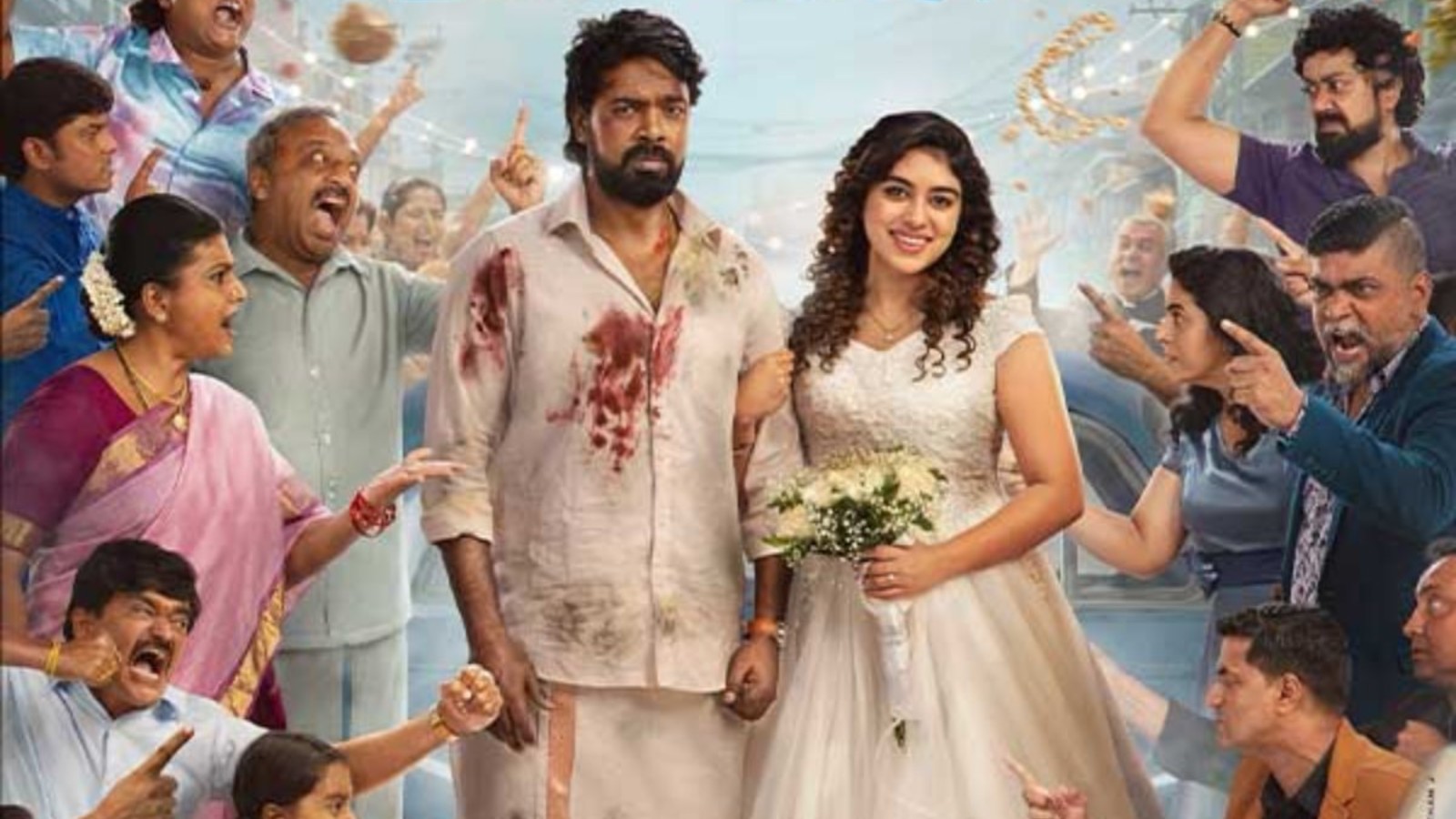
Anbe Diana movie plot:
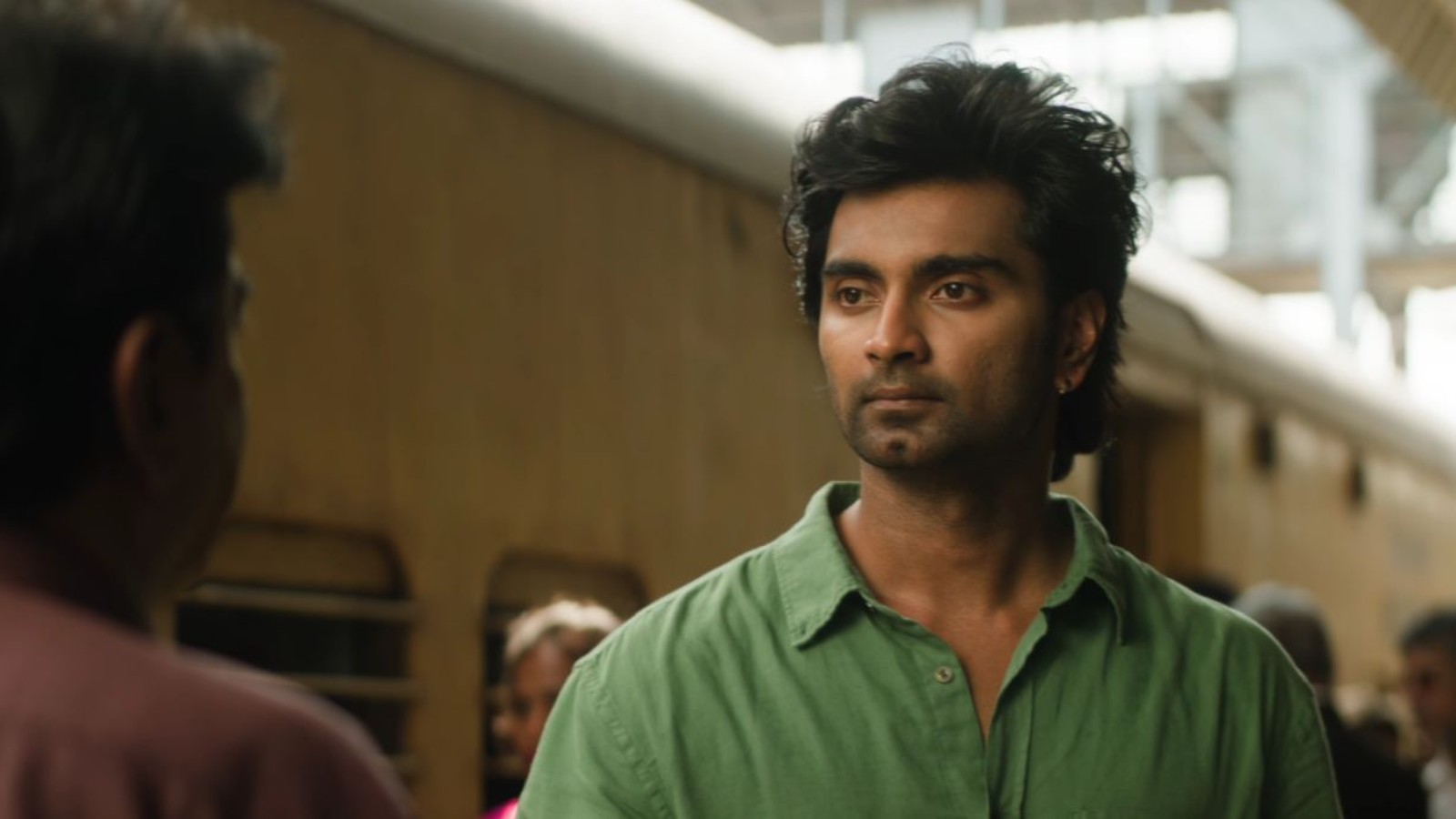
In the buzzing, multi-cultural neighbourhood of Chennai’s Perambur, lives Sita Krishna (Pari Elavazhagan) who comes from a Telugu speaking family consisting of caste-obsessed mother Sarala (Roja Selvamani), and open-minded, deaf father Bhaskar (Chetan). But Krishna has been having feelings for Magic (Ramya Ranganathan), an Anglo-Indian girl who lives in the same neighbourhood but doesn’t seem to reciprocate his feelings. Will Magic and Krishna get back at the end?
Anbe Diana movie review:
Anbe Diana opens by immersing us in the bustling, multicultural neighbourhood of Chennai's Perambur, where Tamil families, Telugu settlers, Anglo-Indians and migrants coexist in a vibrant social fabric. Right from the outset, writer-director-actor Pari Elavazhagan establishes the film's central idea: what happens when two people from vastly different communities fall in love, and can their families bridge the cultural divide? It is a promising premise, one that holds the potential to explore identity, caste and acceptance with warmth and nuance. While Anbe Diana occasionally taps into these ideas, it ultimately delivers only parts of what its premise promises.
The screenplay is populated with an array of distinct personalities. Krishna's family alone offers enough material for an engaging domestic drama. There is his sister, who is temporarily separated from her husband while raising her mildly autistic daughter; a younger brother who embodies everything their caste-conscious mother considers the "ideal son"; a deaf father who enjoys spending time with his friends, proudly called as a "playboy," and stands in stark contrast to his wife with his progressive outlook; and Sarala, the fiercely independent matriarch whose life experiences have only reinforced her unwavering loyalty to her community. On the other side is Magic, whose strong-willed personality mirrors Sarala's resilience but is balanced by curiosity and openness towards people unlike herself.
These characters are colourful enough to sustain the film's world, and Pari ensures each of them gets moments that reveal their quirks and motivations. However, the screenplay becomes so invested in introducing and developing its supporting players that it neglects the emotional foundation of its central romance. We are told Krishna has feelings for Magic, but the film barely explores what draws them to one another beyond proximity. Their relationship progresses more as a narrative requirement than an emotional journey, making it difficult to invest in their romance. Before we fully understand why they fall in love, the story abruptly shifts towards marriage, leaving the relationship feeling underdeveloped. Stranger still is Krishna's reaction when Magic finally reciprocates his feelings. Rather than joy, his immediate response is disappointment because it now means confronting his mother's prejudices. It is an interesting conflict on paper, but one that arrives before the romance itself has had the chance to breathe.
The film also leans heavily on brisk editing, often rushing past moments that deserve emotional weight. Conversations, confrontations and reconciliations move so quickly that they rarely linger long enough to leave an impact. It is only towards the final stretch that the characters are finally allowed to pause and articulate their true emotions. By then, however, the narrative has hurried through too many crucial beats, making those emotional payoffs feel less earned than intended.
There is also a noticeable tension in the film's writing between portraying flawed characters authentically and ensuring every social debate reaches a politically correct conclusion. Sarala's caste-based worldview is rooted in her lived experiences; she believes it was her community that stood by her during difficult times and helped her establish herself. Krishna counters by asking whether all her customers also belong to the same caste. It is a logical and effective rebuttal, but Anbe Diana repeatedly adopts this structure of presenting a regressive viewpoint only to immediately counter it with an idealistic response. While the arguments themselves are valid, the repetition gradually makes these exchanges feel more didactic than organic, reducing the complexity of the conversations.
Performances remain one of the film's strengths. Pari Elavazhagan brings sincerity to Krishna, while Roja Selvamani delivers conviction as the uncompromising Sarala, making the character more layered than merely antagonistic. Chethan lends warmth and humour to the deaf father, and Ramya Ranganathan gives Magic a quiet confidence that makes her instantly likeable, even if the screenplay does not flesh her out as much as it should.
Anbe Diana movie verdict:
Anbe Diana doesn't fully capitalise on the richness of its premise. Despite earnest performances, an engaging cultural backdrop and occasional moments of humour and insight, the film struggles to build an emotionally convincing love story. It understands that love should transcend caste, community and inherited beliefs, but somewhere along the way, the emotional magic needed to make that message resonate never quite materialises.